News
Deep Breathing for Stress: Simple Practices That Help
By Teemu Arina ·
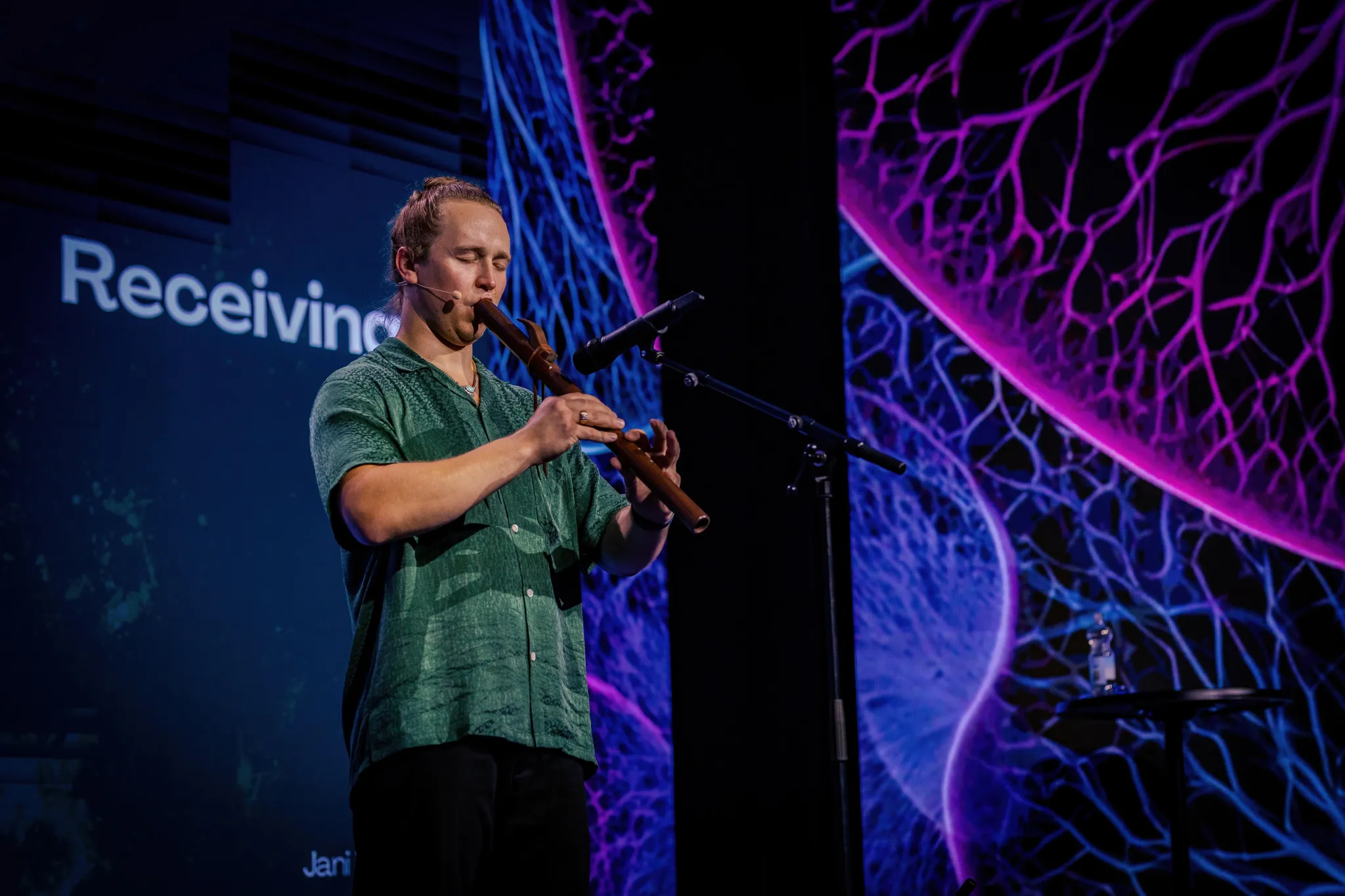
Deep breathing for stress can interrupt a tense moment: soften the inhale, let the belly move naturally and slow the exhale. Biohacker Summit speakers have described breath as a way to return attention to the present and cue the body to recover.
How deep breathing for stress can support a calmer response
Stress can pull attention into replaying the past or anticipating the next demand. A few deliberate breaths create a pause and can help reduce automatic reactivity.
At Biohacker Summit 2017 in Helsinki, Olli Sovijärvi, speaking with Teemu Arina and Jaakko Halmetoja, described breathing as a way to activate the parasympathetic nervous system. He emphasised a slow exhale rather than the largest possible breath.
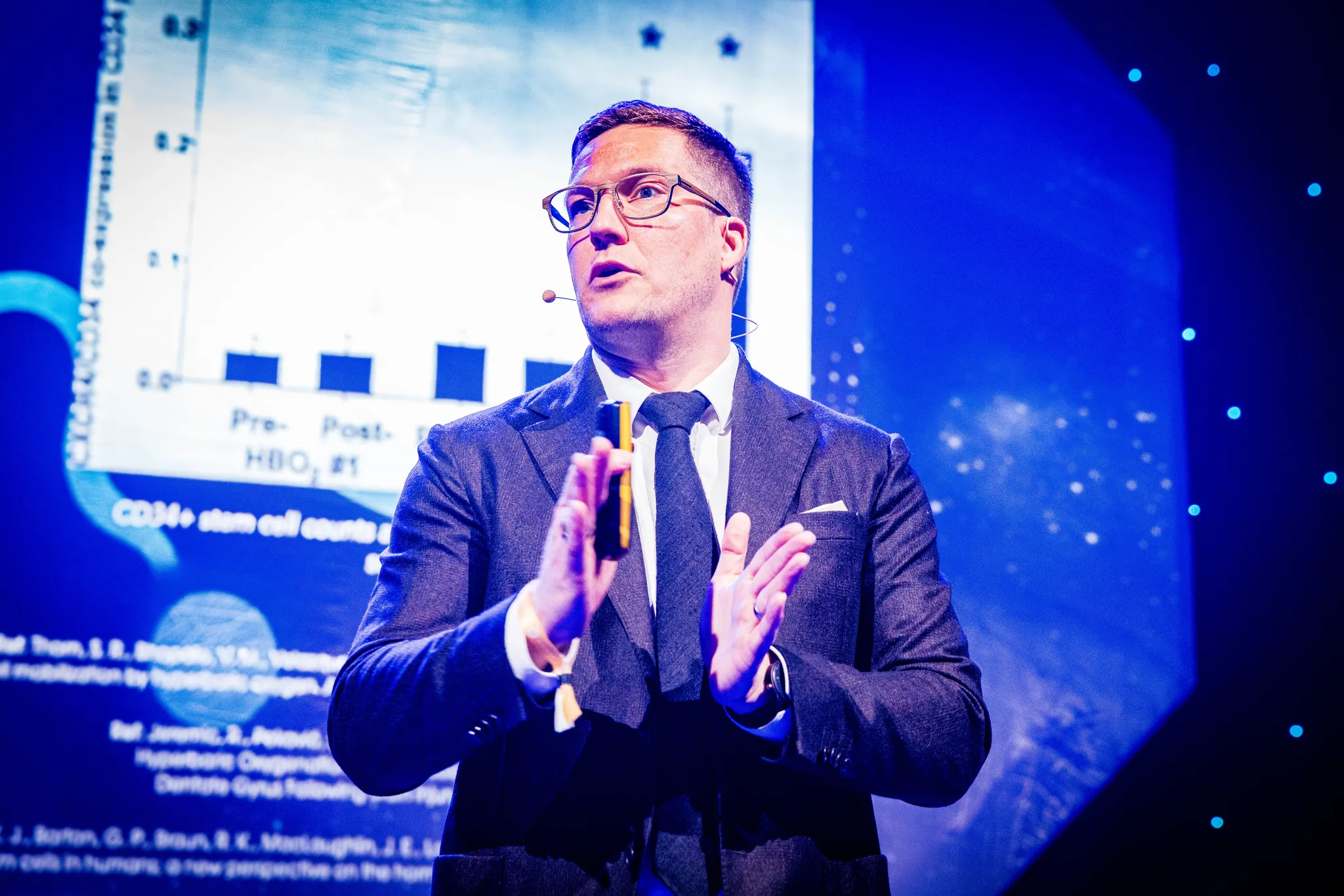
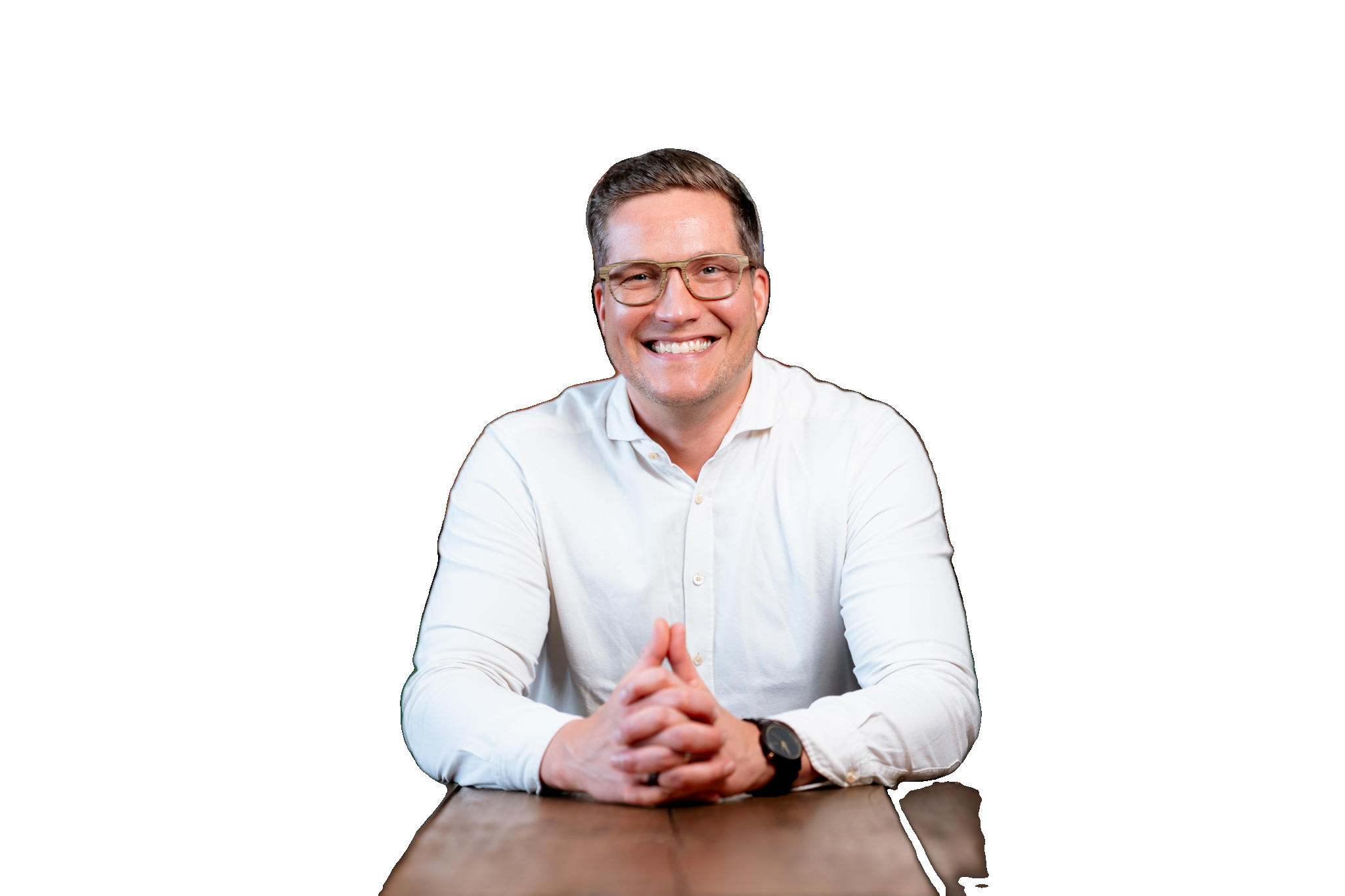
Olli Sovijärvi at HOLOLIFE Summit 2025 Europe
Breathing is the most direct way to activate your parasympathetic nervous system. A slow exhalation is the key to shifting from a state of stress to a state of recovery.
— Olli Sovijärvi, Biohacker Summit 2017
For deep breathing for stress management, keep the breath comfortable and give the exhale time. The aim is to make space for a calmer response.
Evidence does not establish an ideal pattern for everyone. A meta-analysis of randomised controlled trials found breathwork associated with lower self-reported stress than control conditions, with a small-to-medium average effect. Studies varied, and most were at moderate risk of bias. A systematic review of breathing exercises in adults also found improvements in stress and anxiety across many studies, while noting the limited number of large randomised trials.
Start with a comfortable breath, not a forced one
Sit or stand without restricting the abdomen and let the shoulders rest. Breathe through the nose if comfortable; notice whether the lower ribs or belly move, then let the breath out without pushing.
At Biohacker Summit 2020 in Helsinki, Jani Toivonen invited the audience to let the abdomen expand on the inhale and relax on the exhale, focusing on the breath.
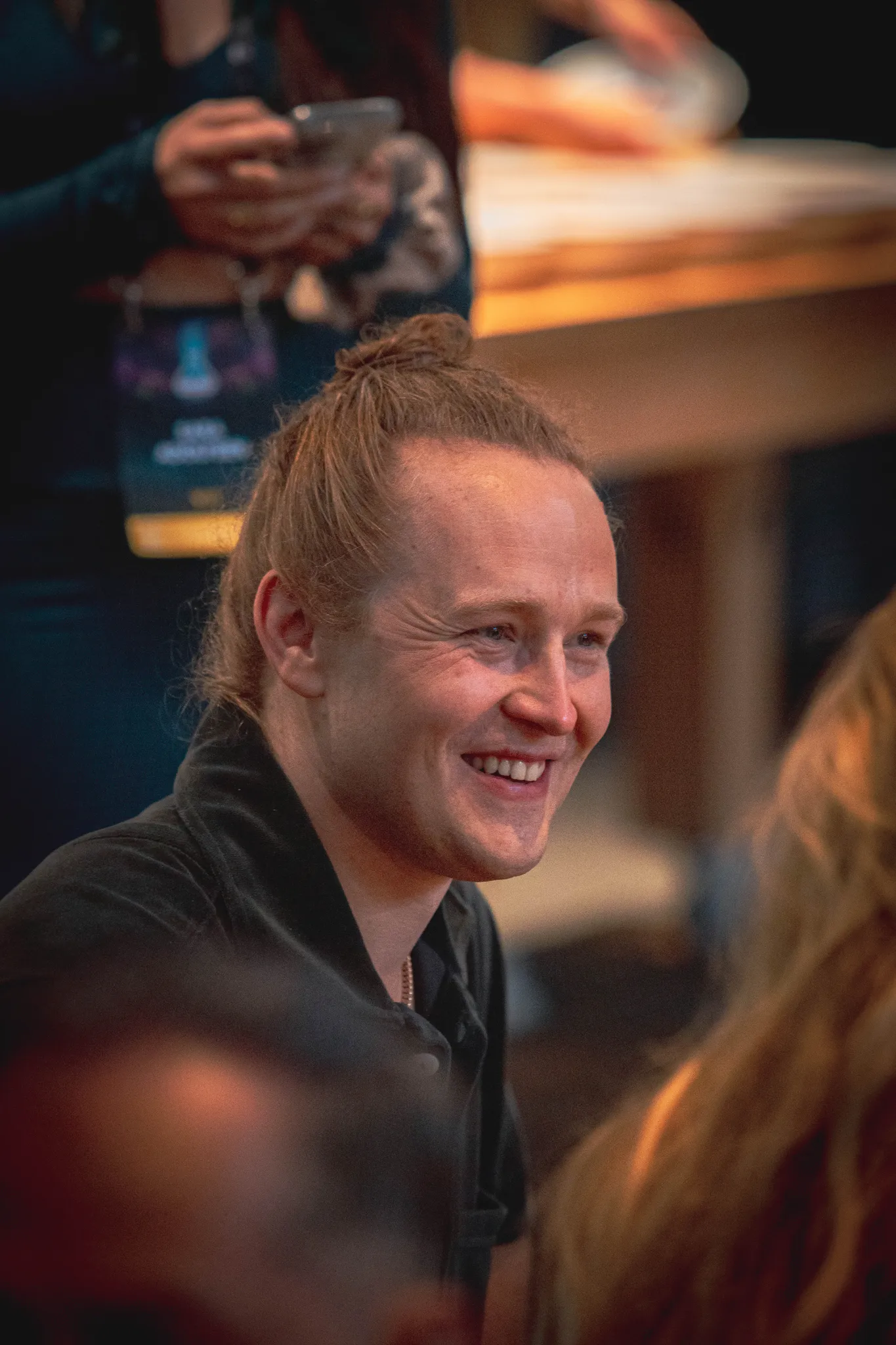
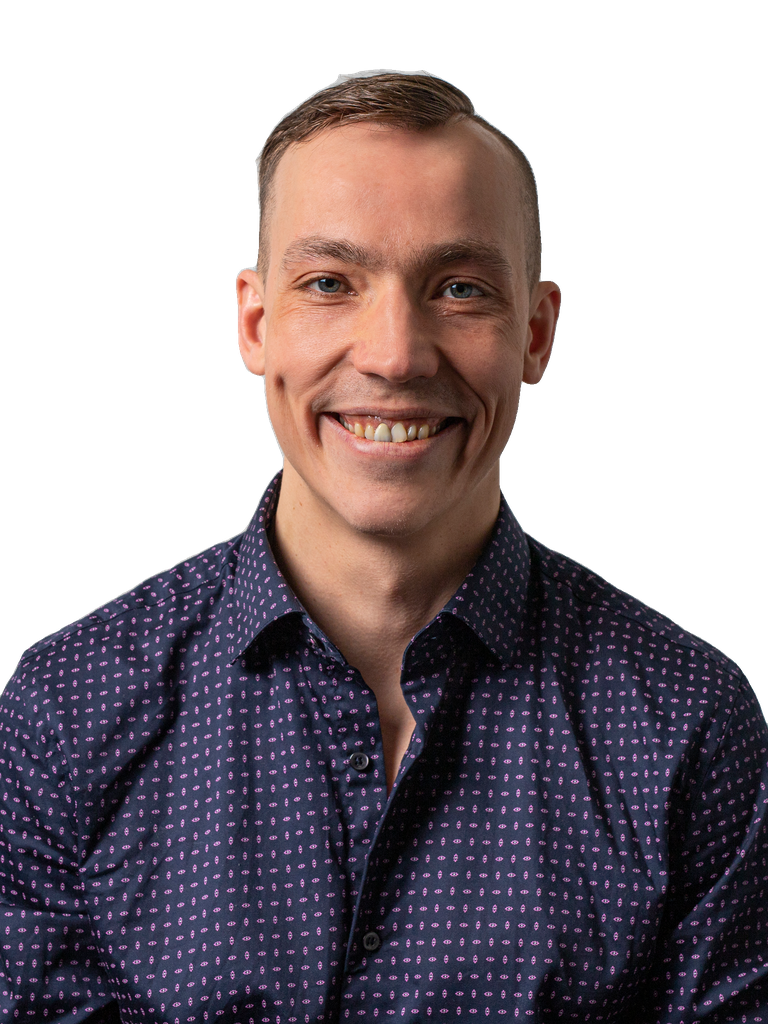
Jani Toivonen at Biohacker Summit 2024 Helsinki
To get the most out of this experience, be present with yourself and be present with your breath.
— Jani Toivonen, Biohacker Summit 2020
"Deep" need not mean huge, strained or noisy. If the inhale feels too large, make it smaller; if the abdomen does not move, do not push it outward. Sovijärvi’s slow exhale can be explored by letting the out-breath last longer than the in-breath, without counting or holding.
Three deep breathing exercises for stressful moments
These exercises draw on the speakers' advice to notice the breath, breathe into the belly and slow the exhale. Try one at a time.
Belly breath. Rest a hand lightly on the abdomen to notice movement. Breathe in comfortably, letting the belly expand a little; as you breathe out, let it settle. Repeat for several natural breaths.
The unhurried exhale. Breathe in without taking an unusually large breath, then let the exhale unfold slowly. This adapts Sovijärvi's Biohacker Summit 2017 guidance: a slow out-breath was the method.
Breath as an attention anchor. Breathe normally and follow an inhale from beginning to end, then do the same with the exhale. When thoughts pull attention away, notice and return to the next breath. In his Biohacker Summit 2020 session, Toivonen encouraged participants to stay with the breath rather than the mind's running commentary.
The attention-anchor practice suits moments when a longer pause is not possible, such as before opening a message, while waiting for a meeting or during a quiet moment in conversation. Breath can create room to choose a response rather than rush.
A review comparing different breathwork techniques notes that practices vary in pace, ratio, breathing route and attention, while suggesting many may share core neurophysiological mechanisms. Start with a simple, comfortable method.
Use breathwork to build presence and focus
Breathing can support attention. Toivonen's "Gong Yoga" session at Biohacker Summit 2020 linked breath awareness with presence, asking participants to focus on inhaling and exhaling to become more receptive to the event around them.
Usually what is holding us back is our mind because our mind is speaking all the time and there is this huge addiction of thinking.
— Jani Toivonen, Biohacker Summit 2020
The aim was to notice when attention wandered and return it to the breath, the person speaking, the task at hand or the feeling of the feet on the floor.
At Biohacker Summit 2017, Sovijärvi described active listening as a way to stop mentally looping on what to say next. A brief breath practice before a conversation can help: breathe, notice the other person and listen before planning a reply. Mindfulness meditation offers a related way to notice thoughts and return to the present; these breathing practices can complement it.
Make a short breathing practice part of recovery

Using a brief breathing pause to bridge the gap between periods of activity and recovery.
Choose a cue, such as finishing work, starting a meal or closing a laptop. A few unhurried breaths at an existing transition may be easier to remember than waiting until stress feels overwhelming.
At Biohacker Summit 2017, the speakers connected recovery with shifting out of ongoing activation. Sovijärvi suggested a slow exhale, and the wider discussion highlighted routines that signal the end of work. A brief pause can mark that transition: stop, feel the breath and move to the next activity.
Breathing cannot compensate for insufficient sleep, relentless workload or unresolved stressors. It is one self-regulation skill, alongside practical changes to the conditions causing strain.
For group practice, the HOLOLIFE Summit 2026 in Amsterdam takes place on 14–15 November 2026. The talks discussed above took place in 2017 and 2020.
When to pause or adapt a breathing exercise
Keep breathing comfortable. If you feel dizzy, short of breath, panicky or uncomfortable, stop directing the breath and return to ordinary breathing. Try a smaller inhale, avoid breath holds or rest attention on the room.
The everyday exercises do not require forceful breathing or advanced techniques. Toivonen discussed breath and bodily locks in a specific guided session, but those elements are unnecessary here; a gentle breath anchor or relaxed exhale is an accessible start.
Breathwork is not a substitute for support when distress is persistent or interferes with daily life. For severe or ongoing symptoms, seek guidance from a qualified health professional.
FAQ
Does deep breathing actually reduce stress?
A meta-analysis of randomised trials found breathwork associated with lower self-reported stress than control conditions. The average effect was small to medium.
How long should you practise deep breathing for stress?
Start with a few comfortable breaths and continue only while the practice feels helpful. The speakers emphasised attention and a slow, relaxed exhale; short regular pauses may fit daily life better than a long session.
What is a simple breathing exercise for a stressful moment?
Breathe in comfortably, then let the exhale leave slowly without pushing. Follow the next inhale and return attention to the breath if your mind wanders.
Can deep breathing help with stress and anxiety?
Breathing exercises may help reduce stress and anxiety for some adults. A systematic review found improvements in both across many included studies, but noted limitations in the evidence; breathing can complement professional care for persistent or severe anxiety.
Sources
- Breathwork for Chronic Stress and Mental Health: Does Choosing a Specific Technique Matter?
- A Systematic Review of Breathing Exercise Interventions: An Integrative Complementary Approach for Anxiety and Stress in Adult Populations
- Effect of breathwork on stress and mental health: A meta-analysis of randomised-controlled trials
- Talk: “BIOHACKING STRESS FOR LONGEVITY AND HEALTH”, Olli Sovijärvi, Teemu Arina and Jaakko Halmetoja, Biohacker Summit 2017 Helsinki
- Talk: “Gong Yoga”, Jani Toivonen, Biohacker Summit 2020 Helsinki
This article is for general information and is not medical advice.
In this story

Comments
Loading comments…