News
Mindfulness Meditation: Moving Beyond Stress Relief to Self-Hacking
By Teemu Arina ·
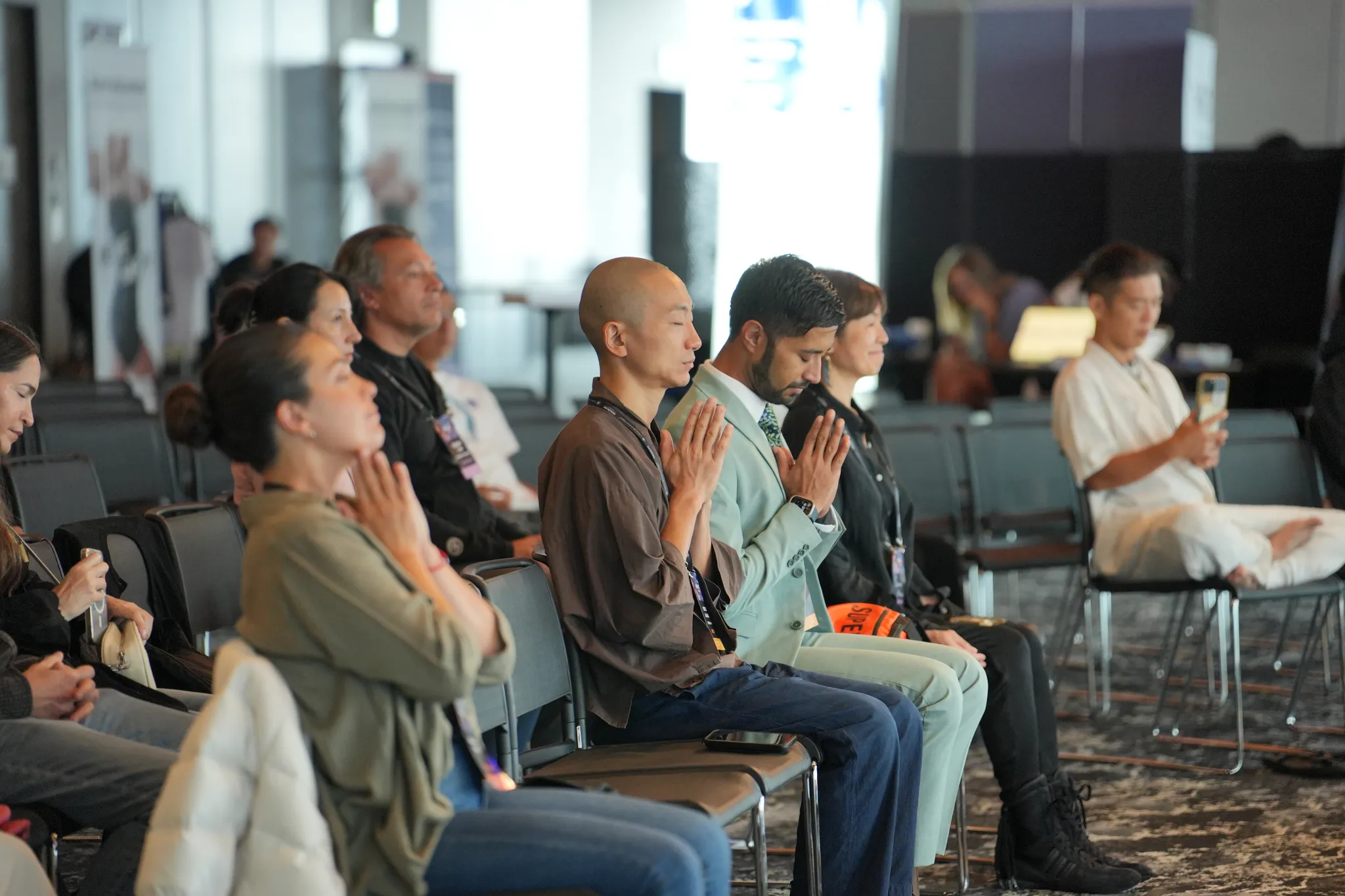
Mindfulness meditation can begin as a way to steady attention, but it can also help people examine the habits and reactions that shape their sense of self. At Biohacker Summit talks, Hong Park and Yogetsu Akasaka described mindfulness and Zen practice as ways to notice those patterns rather than simply as techniques for feeling calmer.
The foundational role of mindfulness meditation
Mindfulness meditation is often presented as a short pause from a busy day. At Biohacker Summit 2019 Helsinki, Hong Park connected its popularity with information fatigue and distraction, suggesting mindfulness helps practitioners pay attention to the mind rather than moving automatically from one demand to the next.
Park linked the development of Mindfulness-Based Stress Reduction (MBSR), associated with Jon Kabat-Zinn, to the teachings of Vietnamese monk Thich Nhat Hanh and Korean monk Sung San. This accessibility has a trade-off: a practice intended to develop deeper attention can become another task to complete, especially if measured by an immediate mood lift. Park cautioned against treating meditation as a quick route to achievement.
The current narrative around mindfulness is married to achievement-oriented culture, like it is just another task to check off from a long to-do list
— Hong Park, Biohacker Summit 2019 Helsinki
A meditation session does not need to make someone feel instantly better to be worthwhile. Park's point was that mindfulness may be reduced when its value is judged only by immediate results.
Using mindfulness for stress and anxiety management
Many people try meditation for stress or anxiety. A systematic review and meta-analysis found moderate evidence that mindfulness meditation programmes improved anxiety compared with control conditions, with effects reported at eight weeks and at three to six months (systematic review of meditation programmes for psychological stress and well-being).
A separate study of brief mindfulness training found reductions in anxiety and fatigue, alongside increased mindfulness, after four days of training among participants with no prior experience (study of brief mindfulness training and cognition). These findings concern particular programmes and do not mean every person will respond in the same way.
For beginners, the task can be modest: sit for a few minutes and notice when attention wanders, then return to the breath. This is a way to practise noticing, not a test of keeping the mind blank. Regarding sleep, a review of 18 trials found moderate evidence of improved sleep quality compared with nonspecific active controls, but low-strength evidence of no difference compared with specific active treatments (systematic review of mindfulness meditation and sleep quality). Mindfulness may be useful for some sleep disturbances, but it should not substitute for professional care for persistent or severe issues.
Hacking the ego through Zen practice

A broom, swept floor and rippling reflection bring attention to an ordinary act of cleaning.
Zen practice extends the question from distraction to noticing one's own resistance, judgement, or attachment. At Biohacker Summit 2022 Amsterdam, Yogetsu Akasaka described the ego as a mental construct involved in identity, recurring desires, and aversions.
Using cleaning as a practical example, Akasaka suggested that a mundane task can reveal what the mind labels as worthwhile or unpleasant. Doing the task with attention offers a chance to observe judgement instead of obeying it.
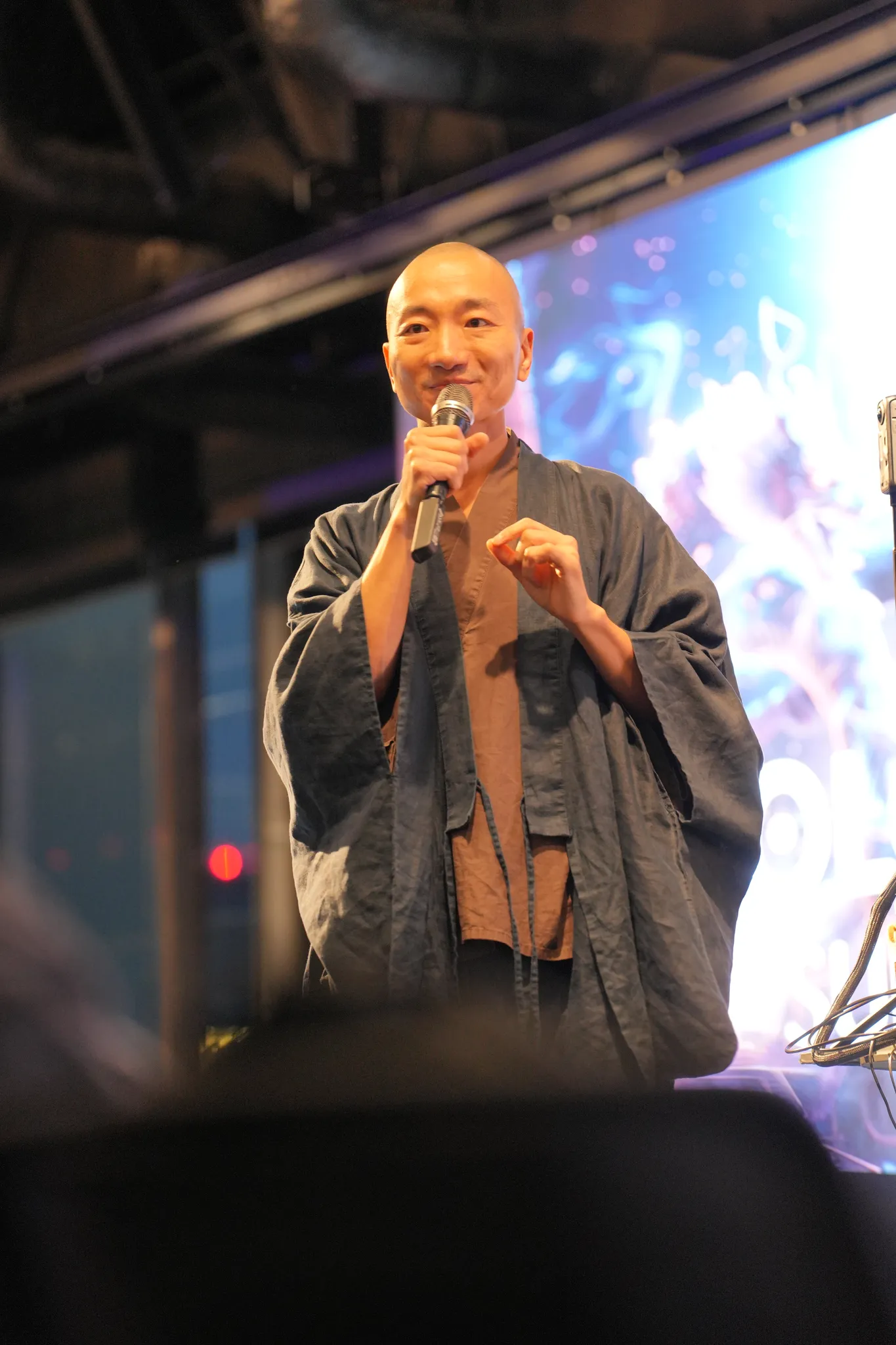
Yogetsu Akasaka at HOLOLIFE Summit 2025 Tokyo
Through the practice of cleaning, you can experience that your inner world and the outer world are connected. When you clean the outside world, you clean your inner world, and vice versa.
— Yogetsu Akasaka, Biohacker Summit 2022 Amsterdam
The aim is to accept what arises. Akasaka's talk included a guided meditation with a handpan, using the instrument as a setting to notice what the mind was saying.
Redefining the self through perception shifts
A central idea in Park's talk was that a person need not take every thought about themselves as a complete description of who they are.
You are not your thoughts about yourself
— Hong Park, Biohacker Summit 2019 Helsinki
This is an invitation to question self-descriptions. Mindfulness can make it possible to notice that a thought like "I always fail" is just a thought, allowing one to consider it rather than accept it automatically. Park warned that searching for a new identity as a "mindful" person can become another form of attachment.
Akasaka connected this self-observation with compassion, suggesting strong reactions to others can prompt inward reflection.
Everything is a mirror of ourselves. When you accept what you have in your mind, you will be more tolerant of others because you understand they are doing the same things as you.
— Yogetsu Akasaka, Biohacker Summit 2022 Amsterdam
Integrating mindfulness into modern daily aesthetics
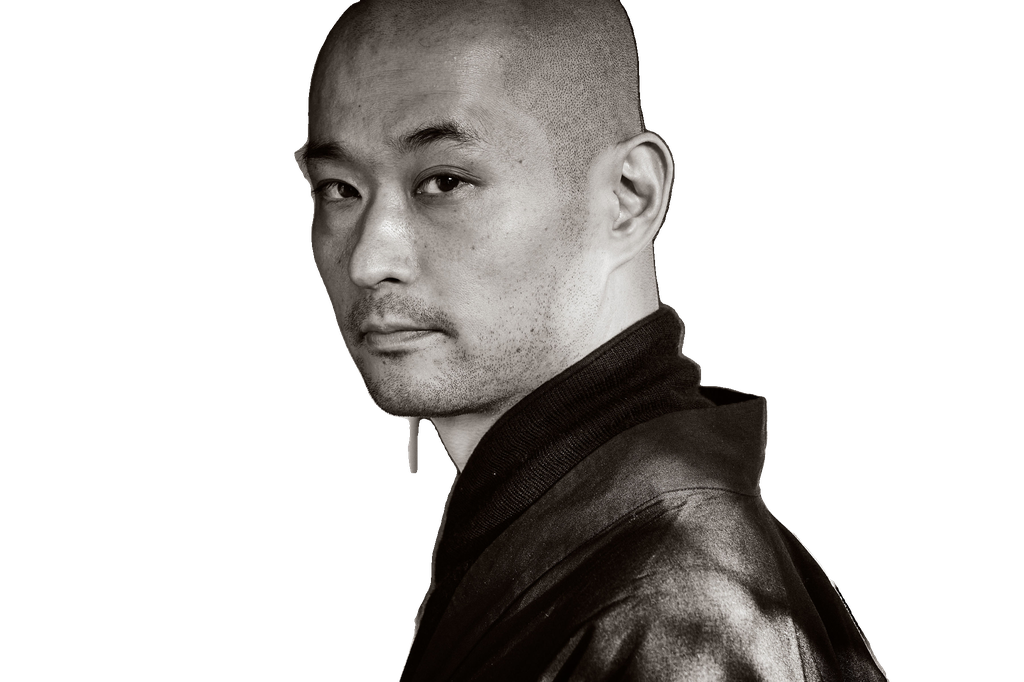
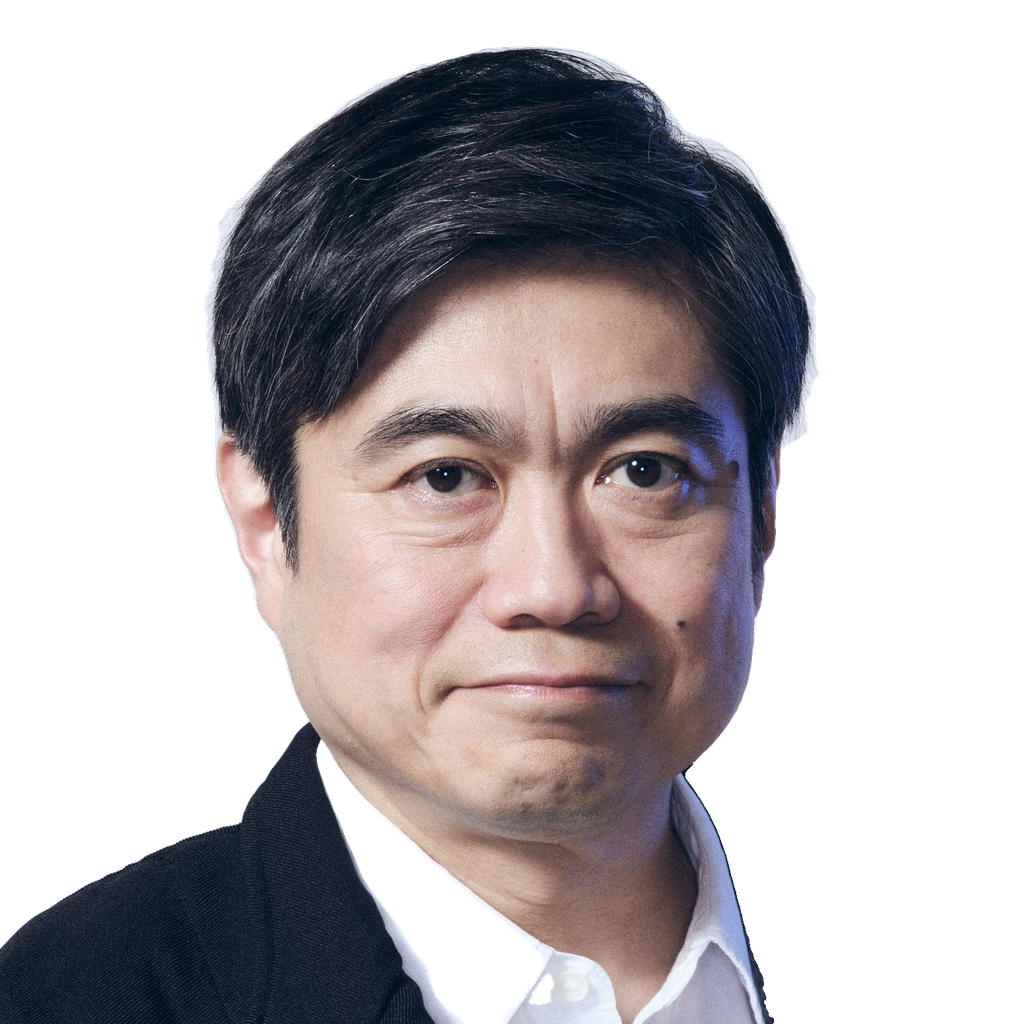
Mindfulness does not have to be confined to formal sitting. In a conversation at HOLOLIFE Summit 2025 Tokyo, Toryo Ito and Joichi Ito discussed links between Zen, tea, contemporary art and daily life. Toryo Ito described beauty in terms of how people attend to nature, other people and objects.
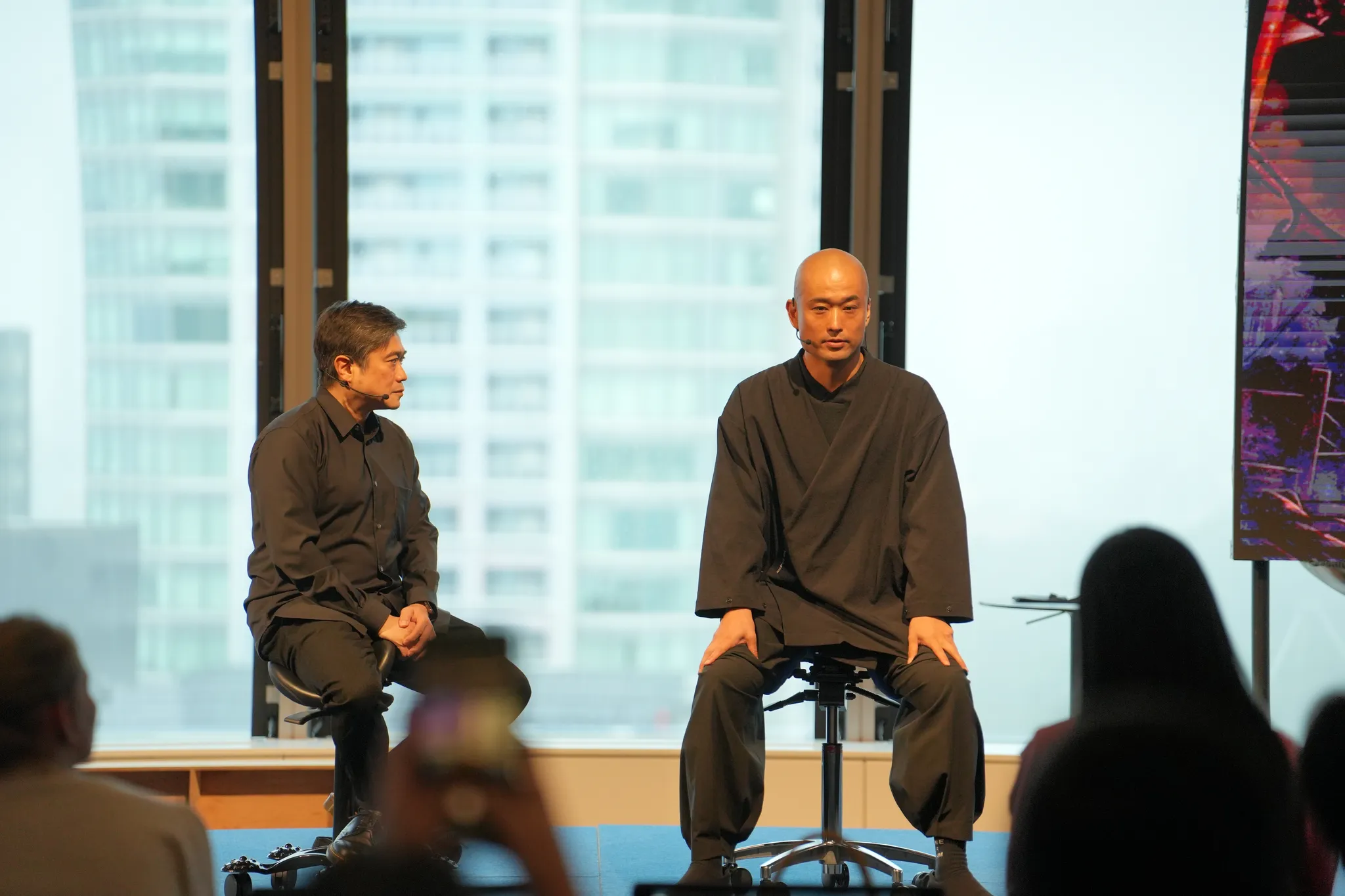
Toryo Ito at HOLOLIFE Summit 2025 Tokyo
敬意を持って自然や人、物に向き合うことこそが美しさの根底にあり、それが禅の教えと繋がっている。
— Toryo Ito, HOLOLIFE Summit 2025 Tokyo
Attention can be trained through ordinary actions: making tea, eating without a screen, or handling a tool with care. These suggestions are drawn from the talk's emphasis on embodied experience.
Practical steps for deeper mental training
Park and Akasaka's talks suggest several ways to take practice beyond brief relaxation:
- Begin with noticing. Sit quietly and observe what draws attention; return to the breath when the mind wanders.
- Use a routine chore as practice. Use cleaning or cooking to notice the mind's commentary on whether a task is boring or beneath you.
- Look closely at strong reactions. When irritation arises, pause to consider what the response reveals about expectations or attachments.
- Make digital boundaries concrete. Use tools like website blockers or grayscale phone settings to reduce distraction.
- Bring attention to objects and people. Practise respect through ordinary interactions with nature and daily objects.
- Let the practice be an experience, not a score. Focus on what was noticed rather than whether the session felt "successful."
One short, consistent practice may be more useful than turning mindfulness into another achievement target. Readers interested in further discussion can find details for HOLOLIFE Summit 2026 Amsterdam, taking place on 14–15 November 2026 in Amsterdam.
FAQ
What exactly is mindfulness meditation?
It is a practice of paying attention to present experience, like breath or sounds, and noticing when attention wanders. The emphasis is on noticing mental reactions rather than emptying the mind.
How can mindfulness meditation help with anxiety?
A systematic review found moderate evidence that mindfulness programmes improved anxiety compared with control conditions at eight and three to six months (review). It should not replace professional care for severe anxiety.
What are the benefits of Zen practice for the ego?
Akasaka described Zen as a way to notice resistance, attachment, and judgement in daily life. This awareness allows for acceptance, leading to greater tolerance and compassion.
Can guided meditation be as effective as silent practice?
The cited sources do not compare the two directly. Akasaka's use of a handpan at Biohacker Summit 2022 Amsterdam illustrates how a guided session can be experienced.
Sources
- Meditation programs for psychological stress and well-being: a systematic review and meta-analysis
- Mindfulness meditation improves cognition: evidence of brief mental training
- The effect of mindfulness meditation on sleep quality: a systematic review and meta-analysis of randomized controlled trials
- Talk: “Beyond Mindfulness: Hacking the Perception of Self”, Hong Park, Biohacker Summit 2019 Helsinki
- Talk: “Zen Practice for Hacking the Ego”, Yogetsu Akasaka, Biohacker Summit 2022 Amsterdam
- Talk: “Beyond Meditation/ Mindfulness in Japanese Aesthetics and Daily Life (With Joi Ito) (JPN)”, Toryo Ito and Joichi Ito, HOLOLIFE Summit 2025 Tokyo
This article is for general information and is not medical advice.
In this story
Comments
Loading comments…