News
Modern Approaches to Post Traumatic Stress Disorder Treatment
By Teemu Arina ·
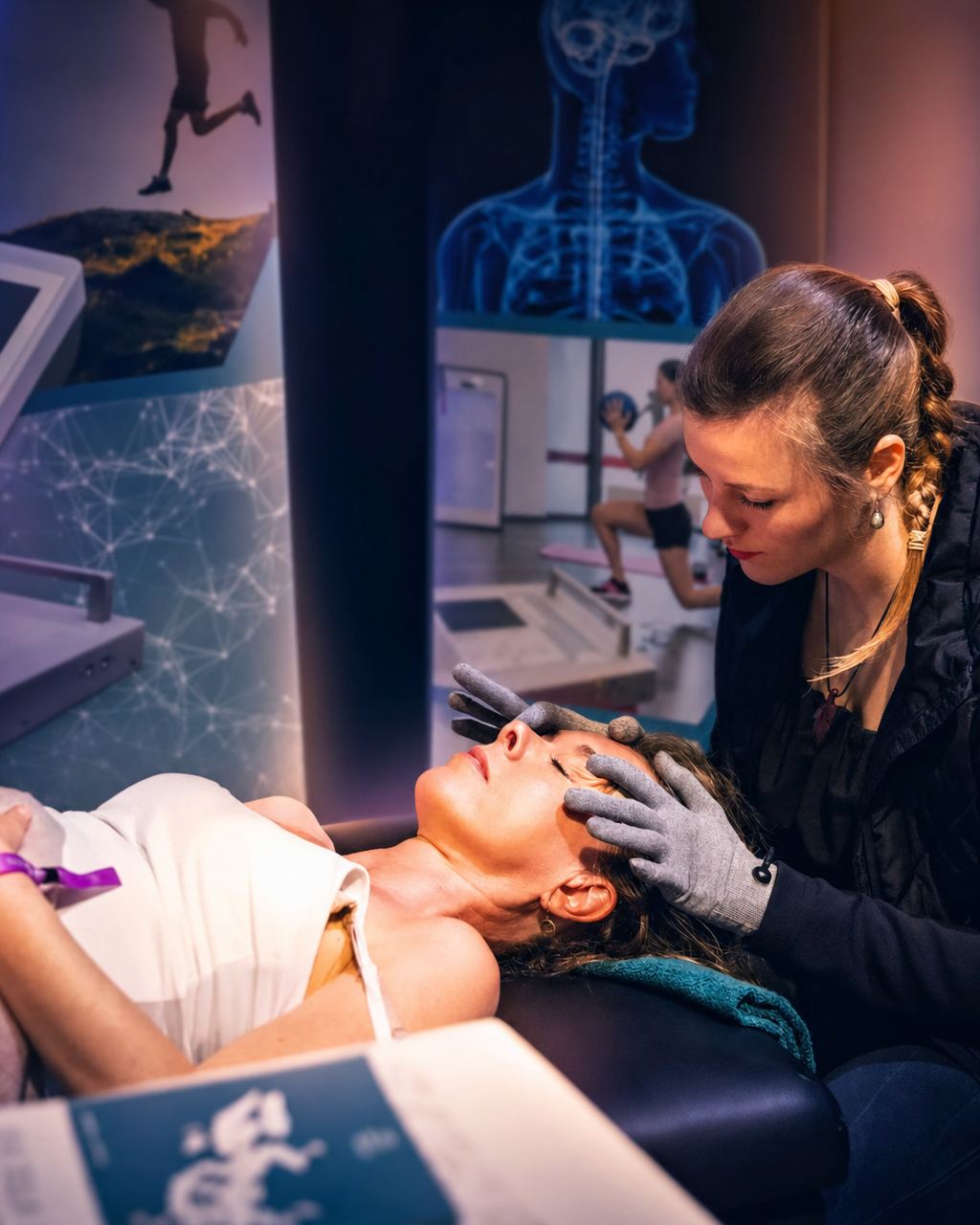
Post traumatic stress disorder treatment is best supported by trauma-focused psychological therapy; medication is generally second-line when therapy is unavailable, unsuitable or insufficient alone. Recovery may also involve understanding stress, memory and emotional responses, alongside supportive routines.
Understanding symptoms of post traumatic stress disorder
Post-traumatic stress disorder (PTSD) can follow experiencing or witnessing a traumatic or life-threatening event. It is a psychiatric disorder with psychobiological effects that can interfere with daily life, according to a review of PTSD and its treatment. These materials do not provide a diagnostic checklist; a clinician can assess symptoms and make a diagnosis.
In “What Is Resilience and Can It Be Cultivated?” at Biohacker Summit 2020 Helsinki, Dr. Molly Maloof described different responses to stress: bouncing back to a previous baseline, taking longer to recover or having a delayed response. She distinguished these from post-traumatic growth, when someone feels they have developed beyond their earlier baseline. Growth is possible, but is not an expectation or measure of recovery.
There's also bouncing back resilience which is when you get hit with the stressor and you bounce back and you become, you know, you basically bounce back to the original set point you were in to start with. — Dr. Molly Maloof, Biohacker Summit 2020 Helsinki
PTSD and resilience are not opposites, and recovery has no fixed timetable. Seek support when difficulties affect daily life.
Standard pathways for post traumatic stress disorder treatment

The illustration shows a main path toward psychological care, with video sessions and a smaller medication route alongside it.
The cited papers point to trauma-focused psychological care. One review describes psychotherapy as central to PTSD care; a prescribing review places medication behind trauma-focused psychological interventions (evidence-based prescribing for PTSD; evidence-based treatment overview). Plans depend on a person's needs, preferences and access to care.
Medication may be considered. The prescribing review identifies fluoxetine, paroxetine, sertraline and venlafaxine as the best-evidenced drugs in its review, with lower-level evidence for other medications. It supports evidence-based prescribing, not replacing individual assessment. The Cochrane review of pharmacotherapy also assessed medication trial evidence for adults with PTSD.
Treatment need not always be in person. In a national cohort of veterans who received individual PTSD evidence-based psychotherapy between April 2022 and April 2023, 66.8% received at least half their sessions by video telehealth (study of video-delivered PTSD psychotherapy). This finding describes one veterans' health system, not access for every patient.
For people with PTSD and substance use disorders, a 2024 review says manualised, individual trauma-focused treatments are the most efficacious psychotherapies. It also finds patients need not be abstinent to begin or benefit from evidence-based PTSD treatment (review of PTSD and substance use disorder treatment); resolving every other difficulty first is not required.
Ask a qualified provider what approach is offered, how it is trauma-focused, how progress will be reviewed and whether video treatment is available if in-person attendance is difficult.
The role of cognitive behavioral therapy (CBT)
People searching for cbt for post traumatic stress disorder or post traumatic stress disorder cognitive behavioral therapy may want to know whether CBT is established treatment. The cited papers support trauma-focused psychological interventions, but their abstracts do not compare CBT with other named therapies or establish its unique effectiveness. A clinician can explain whether a CBT-based approach is appropriate and how it fits a trauma-focused plan.
In “Memory Hacking: The Illusion of Memory and What to Do About It” at Biohacker Summit 2016 Helsinki, Dr. Julia Shaw described memory as changeable rather than a fixed recording. She said recalling a memory can alter it and discussed separating factual content from emotional intensity. This is a talk about memory science, not a CBT protocol or treatment recommendation.
Every time you recall a memory, you change its shape in a way you may not be aware of. You are not accessing your original experience; you are accessing your last memory. — Dr. Julia Shaw, Biohacker Summit 2016 Helsinki
Recollection is not a perfect recording, but that does not mean a traumatic event was imagined or that someone should try to change a memory alone. Shaw's talk does not establish a self-help method for PTSD; a qualified therapist can work with thoughts, emotional responses and memories.
Building psychological resilience for long-term recovery
Therapy can address PTSD, while resilience describes adaptation to pressure and change. Maloof's 2020 talk framed resilience as more than toughness, including recovery, social support, a sense of control and rest after periods of demand. She also discussed balancing work with breaks and time away, and emphasized purpose and actions aligned with personal values. These ideas do not replace treatment, but may help someone identify what supports steadiness.
Sometimes being resilient is not about forcing things. Sometimes it is just letting go, bringing futile worries to an end and being relaxed, present, and natural. — Dr. Molly Maloof, Biohacker Summit 2020 Helsinki
Resilience is not solely an individual responsibility. Social connection and a sense of control can matter: someone might identify a trusted person, ask for manageable support or make daily demands more predictable. These are supportive steps.
Maloof discussed deep breathing and mindfulness as ways to train heart-rate variability (HRV) and regulate the nervous system. This is an idea from her talk, not proof that HRV exercises treat PTSD. Slow breathing or brief grounding may help alongside professional care, but an uncomfortable technique need not be forced. Rest, social support, meaningful activity and realistic control can support recovery.
The connection between memory processing and trauma
Memory helps people make sense of the past, but is not a literal recording. Shaw described memories as networks that shift when recalled, with details strengthened, lost or added. This is a reason to be cautious about treating every detail of recollection as fixed, not to question someone's account of trauma or reconstruct a memory without professional support.
Shaw discussed PTSD as a context in which researchers are interested in changing the emotional intensity associated with memories. Her talk does not show that memories can be deleted or that this is an available treatment. The takeaway is that memory and emotion are related, and clinicians may consider both when working with trauma. The evidence-based treatment review supports trauma-focused psychotherapy as part of PTSD care (evidence-based treatment overview).
Rather than trying to "hack" memories, someone might notice when a recollection is distressing and discuss it with a therapist instead of repeatedly testing or elaborating it alone. Shaw recommended external records to improve everyday memory reliability; that advice is not a way to verify or treat traumatic memories.
Holistic considerations for nervous system support
PTSD has psychobiological correlates that can impair daily life, according to the review of PTSD and allostasis. Maloof connected resilience with breathing, mindfulness, social connection and recovery time. These can complement clinical treatment, but her talk does not establish them as PTSD therapies or replacements for trauma-focused care.
Choose manageable supportive habits: make room for breaks, ask someone trusted for practical support or try a short breathing practice if comfortable. If it increases distress, stop and discuss alternatives with a clinician.
For people with PTSD and substance use disorder, the 2024 review supports starting evidence-based trauma-focused treatment without requiring abstinence. Substance use need not automatically postpone a conversation about PTSD care, though plans will differ.
For broader conversations about health and wellbeing, HOLOLIFE Summit 2026 takes place in Amsterdam on 14–15 November (event information).
FAQ
What is the first line treatment for PTSD?
The cited prescribing review places trauma-focused psychological interventions ahead of medication. A qualified provider can discuss a suitable approach; medication may also be considered.
How does CBT help with post-traumatic stress?
The cited papers support trauma-focused psychological treatment but do not establish a particular CBT approach as superior. A therapist can explain whether CBT is part of their plan and how they would work with thoughts, memories and emotional responses.
What are the common symptoms of complex post-traumatic stress disorder?
The papers and talks used here do not provide a symptom checklist for complex PTSD. A clinician can assess someone's experiences and distinguish between possible diagnoses.
Can you build resilience after experiencing trauma?
Maloof's talk described recovery and post-traumatic growth as possible responses to a major stressor, and associated resilience with support, purpose and rest. Growth is not required for recovery and should not be a source of pressure.
Sources
- Evidence-based prescribing for post-traumatic stress disorder
- Post-traumatic stress disorder: evidence-based research for the third millennium
- Pharmacotherapy for post traumatic stress disorder (PTSD)
- Trauma-focused evidence-based psychotherapy for PTSD delivered via video telehealth
- State of the Science: Treatment of comorbid PTSD and substance use disorders
- Evidence-based treatment of post-traumatic stress disorder
- Talk: “What Is Resilience and Can It Be Cultivated?”, Dr. Molly Maloof, Biohacker Summit 2020 Helsinki
- Talk: “Memory Hacking: The Illusion of Memory and What to Do About It”, Dr. Julia Shaw, Biohacker Summit 2016 Helsinki
This article is for general information and is not medical advice.
Comments
Loading comments…