Biohacker Summit 2024 Helsinki
AI-powered nutrition could add a decade to human lifespan, tech entrepreneur claims
By Teemu Arina · · Updated
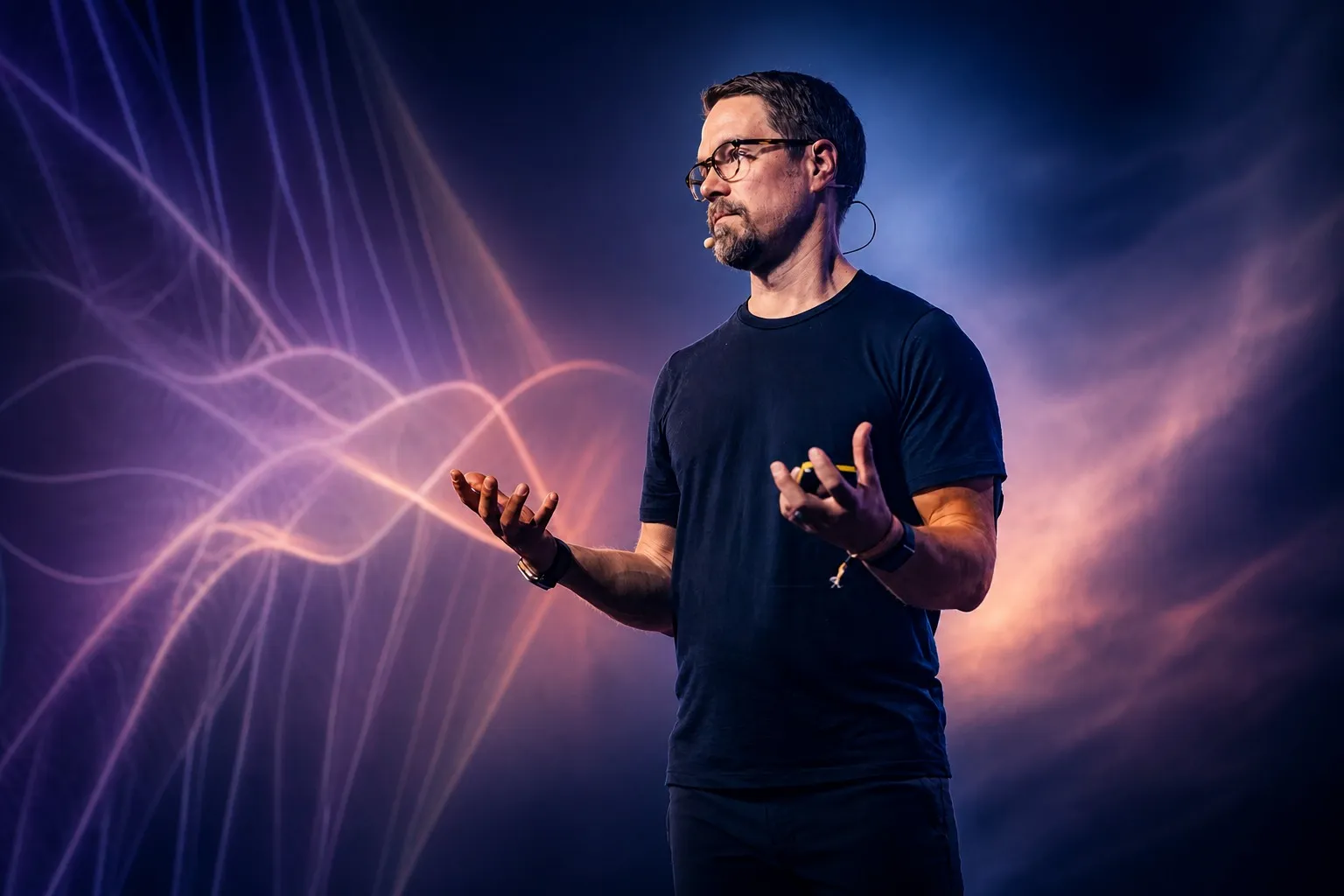
Ari Tulla tells Biohacker Summit in Helsinki that wearable technology and artificial intelligence will revolutionise how we approach food and health
At Helsinki's Biohacker Summit last week, entrepreneur Ari Tulla painted an optimistic vision of the future where artificial intelligence and wearable technology could extend human life expectancy by at least a decade.
Speaking to an international audience at the three-day event, the founder and CEO of Elo Health argued that smart nutrition – combining AI, wearable sensors and biomarker tracking – could transform food "from the root cause of disease into medicine."
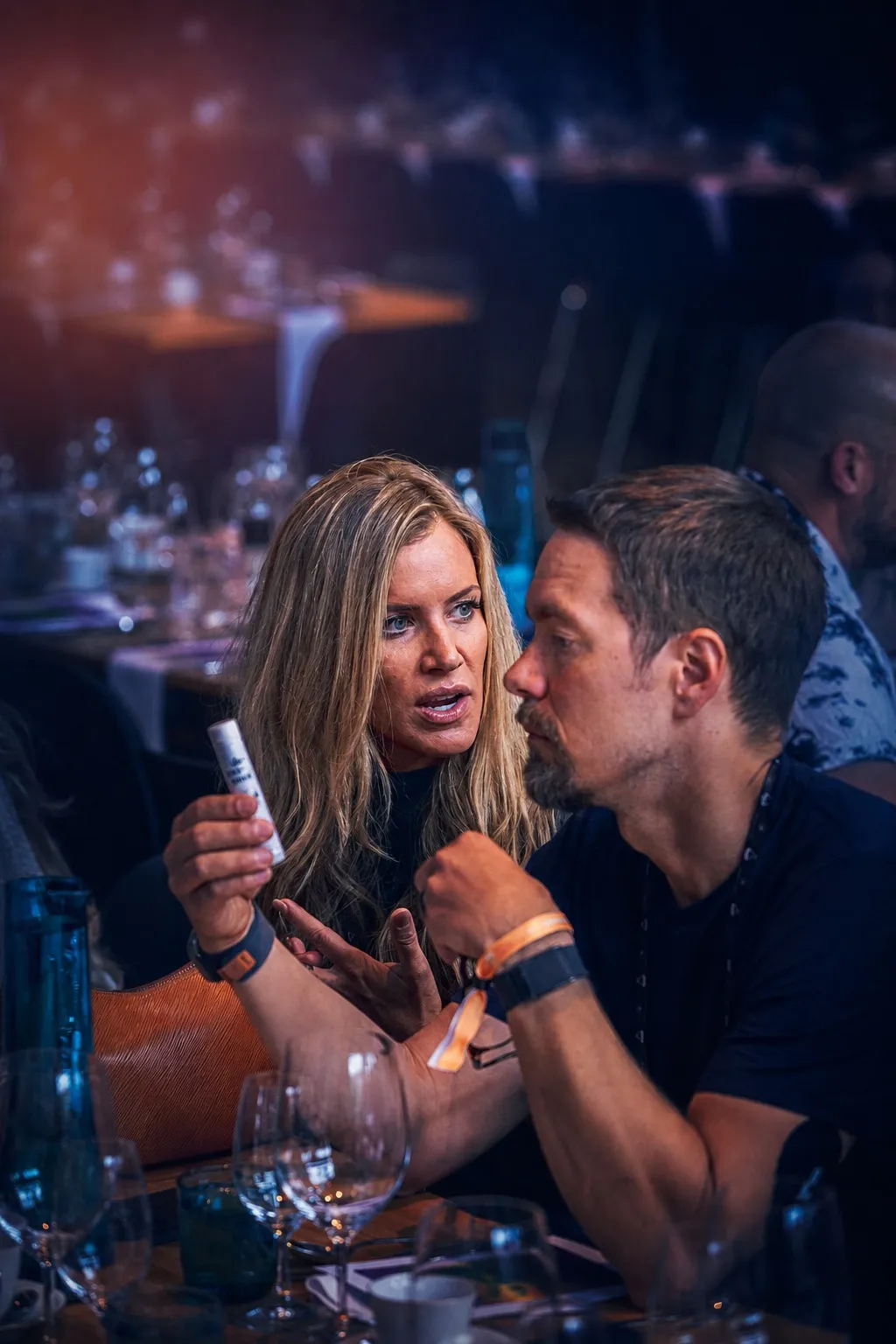
"Most of the five year olds can live up to one hundred. That is unbelievable," Tulla told attendees, citing recent research from Stanford Longevity Institute suggesting that 95% of today's youngest generation could reach centenarian status.
Declining life expectancy despite high healthcare spending
Tulla highlighted a troubling paradox in modern healthcare, particularly in the United States where he currently resides. Despite spending approximately $11,000 per person annually on healthcare – more than double Finland's $5,000 – American life expectancy has declined by three years over the past four years.
"It's not about the money," Tulla explained. "The problem really is about the food. The ultra-processed food that we eat today."
He pointed to statistics showing that 70% of calories consumed in the US come from ultra-processed foods, contributing to rising obesity rates and declining health outcomes.
Personal journey drives innovation
The entrepreneur's interest in nutrition as medicine stems from personal experience. Tulla recounted how his wife was diagnosed with a cancerous thyroid tumor two decades ago, leading to complications that doctors said would prevent the couple from having children.
After a decade-long health journey involving dozens of specialists, they finally found success with an anti-inflammatory diet approach. "Today, we have two wonderful kids," Tulla said. "They remind me every day that food is medicine."
The evolution of health monitoring
Tracing the history of wearable technology from Japan's introduction of the pedometer in 1965 to today's sophisticated devices like Apple Watches and continuous glucose monitors, Tulla predicted that by 2030, consumers will likely have access to comprehensive health monitoring devices that track multiple biomarkers simultaneously.
"We have to build better ways to change our behavior. That is the crux," he said, emphasizing that knowledge alone is insufficient for health improvement without tools that provide real-time feedback.
AI as a personal health coach
The core of Tulla's vision involves artificial intelligence serving as a round-the-clock health coach that interprets data from wearable devices to provide personalized nutrition guidance.
At Elo Health, his company develops "smart nutrition" plans based on individual biomarkers, including custom 3D-printed vitamin supplements. Another innovation he highlighted was Smart Protein, which connects wearable device data to nutrition planning in real time.
Tulla also mentioned Tenere AI, a technology that can analyze photographs of meals and predict glucose responses without requiring users to wear glucose monitors – a development he described as "groundbreaking."
Reinventing healthcare through entrepreneurship
While acknowledging that government projections for life expectancy improvements remain conservative, Tulla urged entrepreneurs to think bigger.
"What we are trying to do here and what is your task as an entrepreneur? It is to reinvent the world," he told the audience of biohackers, health enthusiasts and technology innovators.
The Biohacker Summit, which ran from July 1-3 in Helsinki, featured numerous speakers exploring the intersection of technology, health optimization and longevity science.
While Tulla's claims about adding a decade to human lifespan represent an ambitious target, they reflect growing optimism in the tech and health sectors about the potential for data-driven, personalized approaches to nutrition to address declining public health indicators in many developed nations.
Frequently asked questions
What does Ari Tulla claim AI and wearables could achieve?
The founder and chief executive of Elo Health told the Helsinki summit that smart nutrition, combining AI, wearable sensors and biomarker tracking, could extend human life expectancy by at least a decade by transforming how people eat.
What is the American healthcare paradox he described?
Tulla noted that the United States spends approximately $11,000 per person annually on healthcare, more than double Finland's $5,000, yet American life expectancy has declined by three years over the past four years. It's not about the money, he said; the problem is the food.
How far back does wearable technology go?
Tulla traced it to Japan's introduction of the pedometer in 1965, through to today's smartwatches and continuous glucose monitors, and predicted that by 2030 consumers will have access to devices tracking multiple biomarkers simultaneously.
About the event
This recap is part of the Biohacker Summit 2024 Helsinki series, recorded in Helsinki on 2 and 3 July 2024. Read the summary of the whole event or join the next edition, HOLOLIFE Summit 2026 Amsterdam, on 14 and 15 November 2026.
In this story
Comments
Loading comments…