Biohacker Summit 2022 Helsinki
Using Your Breath for a Longer Life
By Teemu Arina · · Updated
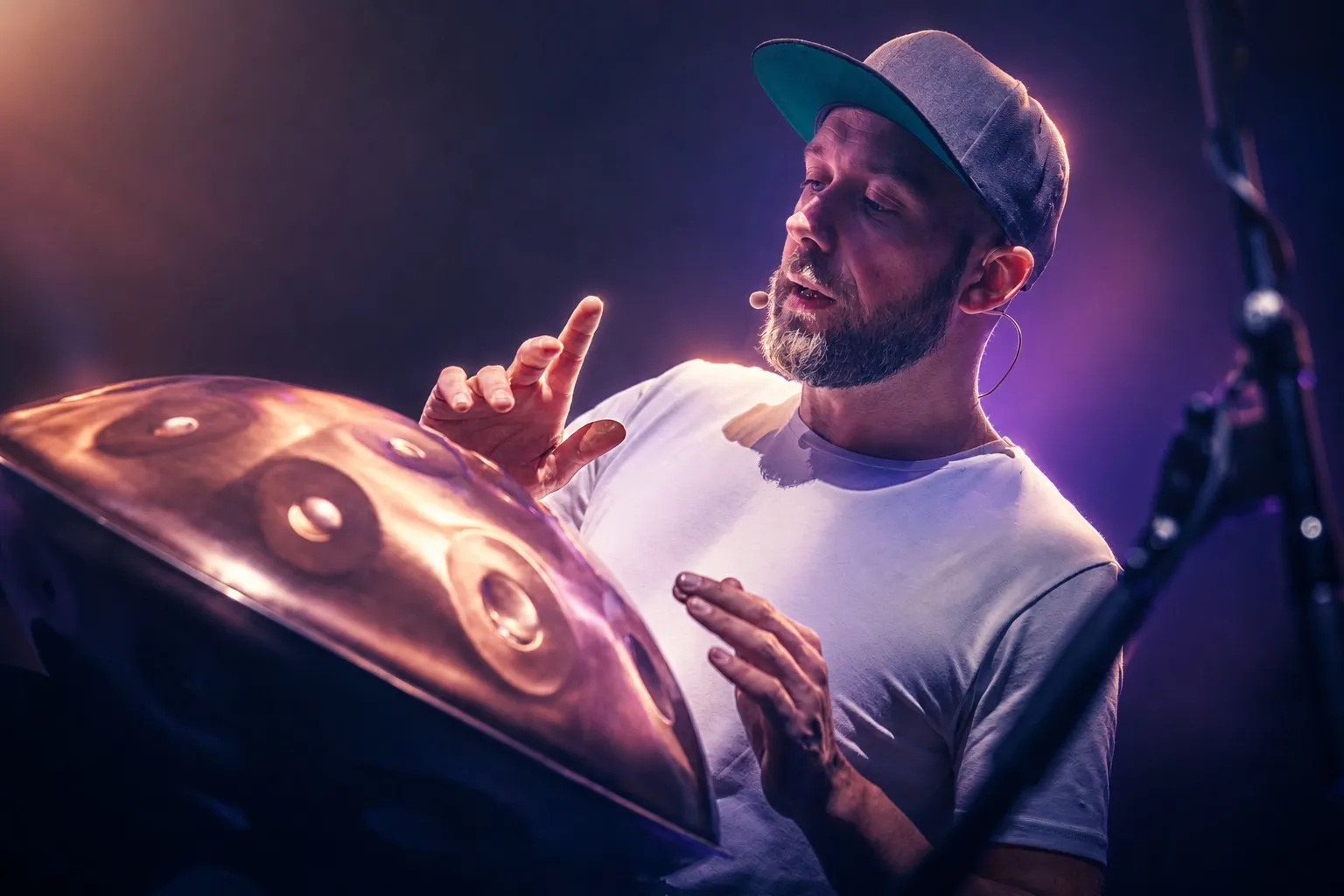
At Biohacker Summit 2022 Helsinki, Kasper van der Meulen Made The Case That Longevity Begins With The Most Overlooked Human Function
There was something bracingly simple, almost defiant, in the argument Kasper van der Meulen brought to the stage at Biohacker Summit 2022 Helsinki on Friday, 3 June 2022. In a gathering built around self-optimisation, performance, and the endless refinement of the body, the breathwork specialist and former science teacher returned the room to first principles.
“If you think there is something in your life more important than breathing, try to hold your breath while you do all that other stuff,” van der Meulen said. “Within about a minute, you will have your priorities back in line.”
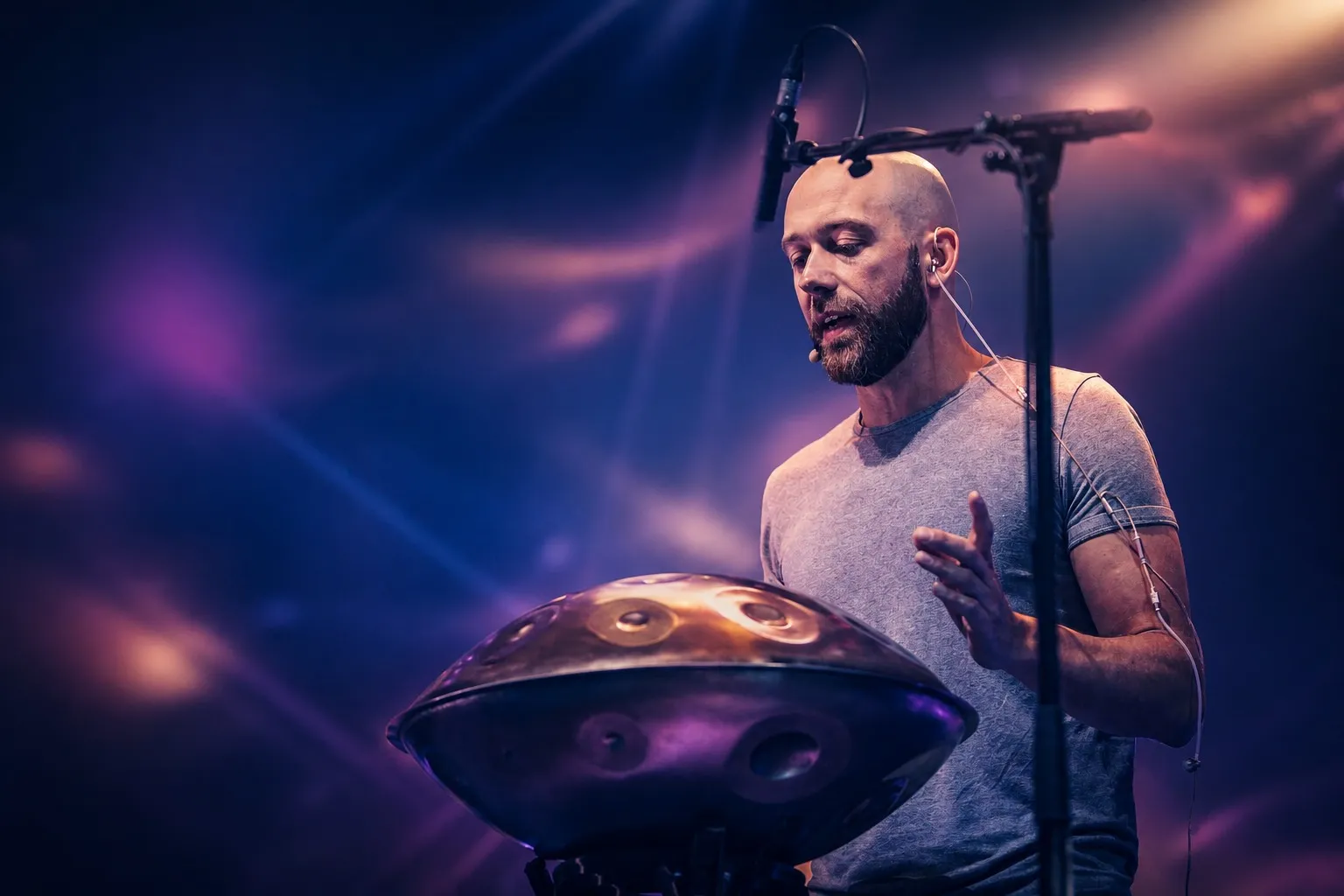
It was a line that drew laughter, but it also carried the sharp edge of truth. Van der Meulen’s presentation, Using Your Breath For A Longer Life: Optimizing Lung Volume, Mitochondrial Health & Vagus Nerve, argued that breathing is not merely automatic background machinery. It is the foundational biological act on which healthspan, resilience and, perhaps most provocatively, longevity itself may depend.
The Breath As The First And Last Measure Of Life
Van der Meulen framed breathing not as wellness theatre but as biology in its most essential form. Human life begins with an inhale and ends with an exhale, he noted, and in between those two moments every tissue, organ and system depends on the quality of respiration.
“We should optimize our health from the most foundational core function of our biology,” he told the audience. “That is what breathing is. It is the most important one.”
The claim was not mystical, even if it brushed against the poetic. He pointed to the simple reality that while food, supplements, exercise protocols and recovery routines can all matter, none sits beneath consciousness and survival as completely as breath. We breathe thousands of times a day, mostly without noticing. That, in van der Meulen’s telling, is part of the problem. The body’s most constant act is also one of its least examined.
Why Lung Capacity Became A Predictor Of Longevity
The first pillar of van der Meulen’s argument rested on lung volume. Citing long-running research, including the Framingham Study, he said lung capacity stands as one of the strongest biomarkers for lifespan.
“Lung capacity is a major determining factor for how long you have to live,” he said. “We have the ability to consciously change our lung volume and improve our chances for a longer, healthier life.”
What made that idea so compelling was its challenge to passivity. Declining lung function is often treated as an inevitable feature of ageing, something to be measured and mourned rather than trained. Van der Meulen pushed against that assumption. Lung volume, he argued, is not fixed. It can be improved through deliberate practice, through fuller diaphragmatic breathing, through resisted exhalation, through training the elastic architecture of the lungs themselves.
Inside those lungs, he reminded the audience, sit as many as 500 million alveoli, tiny sacs where oxygen exchange occurs. Their efficiency is not abstract. It shapes the extent to which oxygen can be delivered into the bloodstream and, ultimately, into the cells that keep us alive.
The Lower Lungs, The Diaphragm, And The Cost Of Shallow Breathing
Much of modern breathing, van der Meulen suggested, is both hurried and incomplete. Under stress, people rise into the chest, breathe through the mouth and rely disproportionately on the upper lobes of the lungs. The result is not just inefficient ventilation but a nervous system locked too often in low-grade alarm.
The lower lobes, by contrast, are larger and more deeply connected to parasympathetic regulation. To breathe with the diaphragm, expanding the belly and ribcage rather than merely lifting the chest, is to recruit more of the lungs’ vast internal surface and to shift the body toward calm.
The point was anatomical, but also civilisational. In an age of stress and speed, shallow breathing has become both symptom and habit. Van der Meulen’s answer was strikingly practical: train the lungs as one would train any other tissue, by taking them through a fuller range of motion. Maximum-capacity inhales and long, emptied exhales, he said, help move stagnant air, mobilise dormant areas of the lungs and preserve flexibility in the alveoli.
The Counterintuitive Science Of Breathing Less
If van der Meulen’s case for greater lung capacity seemed intuitive, his second argument was more arresting. To support mitochondrial health, he said, the answer was not necessarily to breathe more, but often to breathe less.
“The more you breathe, the more you ventilate, but the less you respirate,” he told the audience. “To improve your mitochondrial health, you must understand that the less you breathe, the better your cells can utilize oxygen.”
This was the paradox at the heart of his talk. Oxygen may be the star of the respiratory story, but carbon dioxide, often treated as mere waste, plays a critical supporting role. Red blood cells release oxygen into tissues only when sufficient carbon dioxide is present to trigger that exchange. Overbreathing, van der Meulen argued, can deplete carbon dioxide and reduce the body’s ability to deliver oxygen where it is actually needed.
In that distinction between ventilation and respiration lay one of the talk’s central insights. Breathing air into the lungs is not the same thing as ensuring oxygen is effectively used by the mitochondria. Cellular energy depends not simply on intake but on efficient delivery and release.
His practical recommendation was controlled hypoventilation, what he also described as “underbreathing” or training a slight sense of “air hunger”. The sensation is mildly uncomfortable, but, he argued, it conditions the brainstem and body to use oxygen more efficiently.
Six Breaths A Minute And The Fight Against Chronic Inflammation
The third strand of the presentation connected breath to inflammation, and from there to the diseases of modern life. Chronic inflammation, van der Meulen said, remains one of the principal forces limiting healthspan. If there is a fast route to turning that dial down, he argued, it runs through the vagus nerve.
“The fastest way to downregulate chronic inflammation is by activating the vagus nerve,” he said. “Through an optimal breathing rate, you can minimize your chances of lifestyle-related illness and find the state your body needs.”
That optimal rate, according to the framework he presented, is six breaths per minute. Five seconds in, five seconds out. Slow enough to soothe, rhythmic enough to entrain, simple enough to practise almost anywhere.
At this tempo, he said, breathing begins to influence the parasympathetic nervous system more directly, increasing vagal tone and helping shift the body away from chronic stress reactivity. The sensation is familiar even if the mechanism is not: the bodily exhale after a sauna, the calm after cold water, the softening that comes while resting safely beside someone you love.
In Helsinki, van der Meulen did not leave the theory hanging in abstraction. He guided the audience through breathing cycles that moved from full inhalations and complete exhalations into a slower cadence, then into reduced-volume breaths designed to create slight air hunger. By the end, the room had changed. Not dramatically, but visibly. Shoulders dropped. Faces softened. The body, for a moment, seemed persuaded.
Breathing In A Polluted World
Van der Meulen also widened the lens beyond physiology to environment. We can choose what to eat, he noted, and often what to drink. We have far less control over the air we breathe. With air quality deteriorating globally and microplastic particles now found even in remote regions, the act of breathing carries an unavoidable vulnerability.
That reality made his argument more urgent, not less. If we cannot entirely govern what enters on the inhale, we can still shape how the inhale happens. Nasal breathing, in his account, mattered because the nose filters, humidifies and supports airway function through nitric oxide release. The body may not control the atmosphere, but it can still improve its own interface with it.
An Old Wisdom Reframed For The Biohacking Age
Kasper van der Meulen’s biography lends his message a certain authority. A breathwork specialist, biohacker and science teacher, he has built a career around translating the language of performance and nervous system regulation for both ordinary people and elite operators, from Olympic athletes to high-performance executives. At Biohacker Summit 2022 Helsinki, his wider mission was evident: to bridge ancient breathing practices and modern science without reducing either to cliché.
What lingered after the session was not just the novelty of the claims, but the severity of their implication. If he was right, then many of the levers people chase in the pursuit of longevity sit downstream of something more basic. Breath is not a side practice. It is infrastructure.
That may be why his talk landed with unusual force. In a culture accustomed to searching for the next intervention, van der Meulen offered something at once cheaper, older and harder to ignore. The body has been rehearsing it from birth. It only asks, now and then, to be taught how to do it well.
Frequently asked questions
Why does Kasper van der Meulen start with breath?
Because it is the most foundational function available. Human life begins with an inhale and ends with an exhale, he noted, and in between every tissue, organ and system depends on the quality of respiration, which makes it the obvious place to optimise from.
Is lung capacity really a longevity marker?
He cited long-running research including the Framingham Study to argue it is among the strongest biomarkers for lifespan. Lung capacity is a major determining factor for how long you have to live, he said, and it is one a person can consciously change.
What is wrong with how most people breathe?
It is hurried and incomplete. Under stress people breathe high and shallow, van der Meulen argued, leaving the lower lungs and the diaphragm underused, which is where the correctable part of the problem sits.
About the event
This recap is part of the Biohacker Summit 2022 Helsinki series, recorded in Helsinki on 3 and 4 June 2022. Read the summary of the whole event or join the next edition, HOLOLIFE Summit 2026 Amsterdam, on 14 and 15 November 2026.
In this story
Comments
Loading comments…