Biohacker Summit 2020 Helsinki
Stronger By Stress: How Siim Land Argued For Resilience In An Age Of Chaos
By Teemu Arina · · Updated
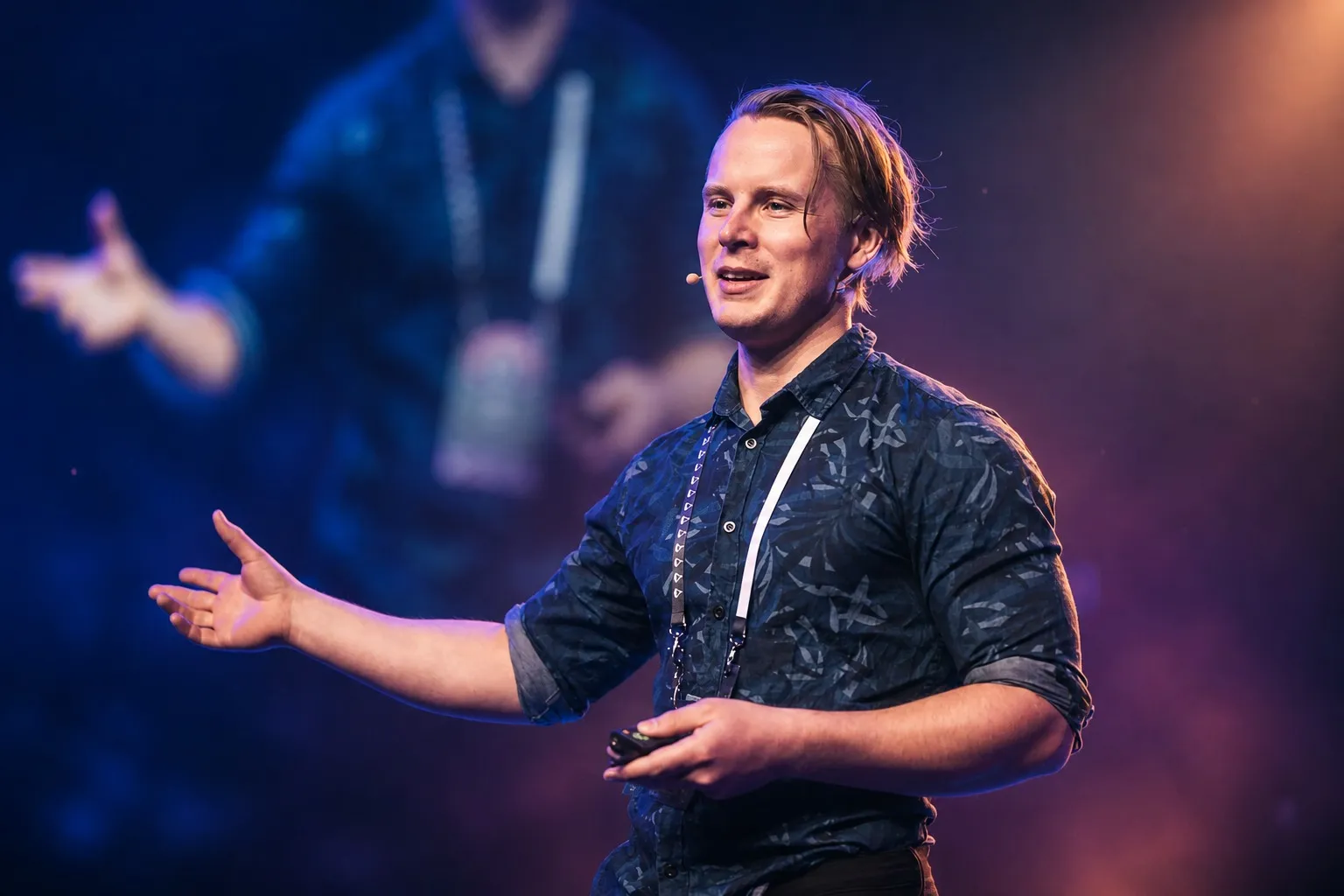
At Biohacker Summit 2020 Helsinki, The Estonian Author And Biohacking Figure Made A Case For Stress As A Tool Rather Than A Threat
In Helsinki, at the Biohacker Summit 2020 on Friday, 16 October 2020, speaker Siim Land delivered a talk with a deceptively simple promise: that stress, handled wisely, could become a force for health, strength and psychological resilience rather than decline.
The presentation, titled Stronger By Stress – Adapt To Beneficial Stressors To Improve Health & Strength, arrived in a year when the subject scarcely required an introduction. Pandemic anxiety, social disruption and private uncertainty had already made stress feel less like a concept than a climate. Land, an Estonian writer known for his work on longevity, fasting, sleep and human performance, did not deny the destructiveness of chronic pressure. But he insisted on a distinction too often lost in modern life: stress itself was not always the enemy. The danger, he argued, lay in excess, depletion and an inability to recover.
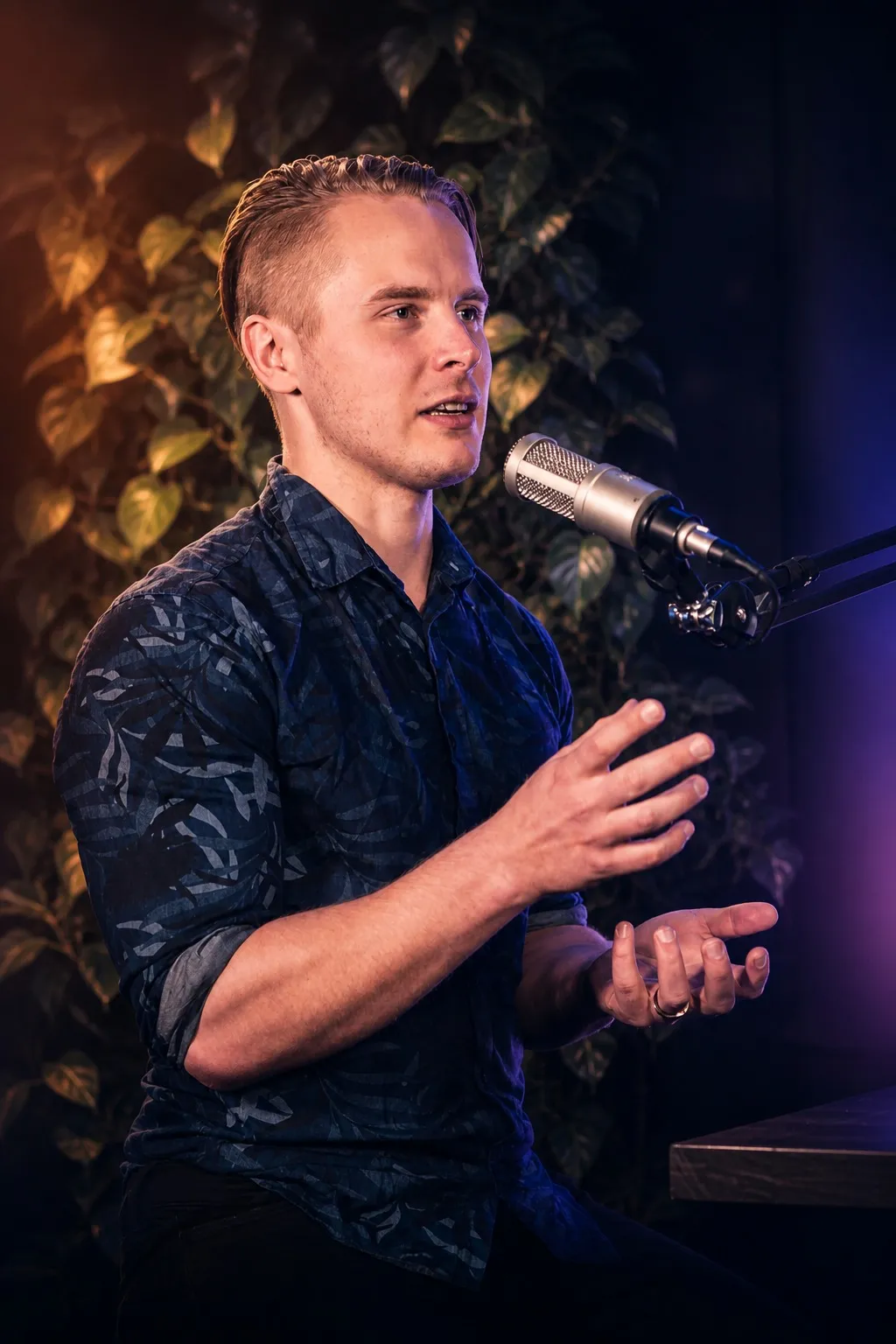
“Stressful events are just part of life and are not inherently harmful,” Land said. “If we know what to do, we can actually leverage these stressors as a way to get stronger and better.”
Stress, Reframed
Land’s central proposition was that stress should first be understood in biological, not merely emotional, terms. Stress, he said, was an imbalance in homeostasis, the body’s state of equilibrium. That imbalance could be harmful, certainly. Chronic stress has long been associated with cardiovascular disease, metabolic dysfunction, depression and burnout. Yet a temporary disruption, followed by adequate recovery, could prompt the body to adapt upward.
This was the logic of hormesis, the old biological principle that small, controlled doses of adversity can strengthen an organism while excessive doses injure it. The same sunlight that sustains health can burn. The same exercise that builds muscle can break the body if recovery is denied. What matters is not merely the stressor, but the dose.
Land returned repeatedly to that idea, drawing a bright line between purposeful hardship and uncontrolled overload. In his telling, beneficial stress was not masochism dressed up as wellness. It was calibration.
The Body’s Ledger Of Survival
To explain the mechanics, Land invoked Hans Selye and the General Adaptation Syndrome, the classic model of how organisms respond to stress. First comes alarm, when the body registers the threat. Then resistance, when it mobilises energy and hormones to cope. Finally comes a fork in the road: recovery or exhaustion.
That final distinction shaped the entire talk. Stress was not a single event, Land suggested, but a transaction. Every challenge drew from what he described as adaptation energy, a finite but partially renewable reserve that determined whether a person rebounded stronger or slid toward depletion.
Sleep, nutrition, social support and mental stability replenished that reserve. Sleep deprivation, chronic anxiety, overwork, trauma, illness and nutritional deficiency drained it. In this view, resilience was not a personality trait bestowed on the lucky. It was a physiological and psychological budget, constantly being spent and, if one was careful, restored.
“It is not stress that kills us; it is our reaction to it that does,” Land said, echoing Selye. The line worked as both diagnosis and warning. A body under pressure could adapt. A body under pressure without relief could collapse.
Antifragility, Or The Strange Promise Of Hardship
From there, Land stepped into the language of philosophy and systems theory, borrowing from Nassim Nicholas Taleb’s idea of antifragility. Fragile things break under stress. Robust things resist it. Antifragile things improve because of it.
For Land, this was more than metaphor. It was a way to think about human biology in turbulent times. Muscle grows after strain. Metabolic health can improve after fasting. Emotional steadiness can deepen after deliberate encounters with discomfort. The goal was not to become invulnerable. It was to become the kind of organism that used hardship as information.
“Antifragility is the ability to gain and get better from stress,” he said. “It allows us to use challenges to our own benefit and grow more resilient through the process of recovery.”
The distinction mattered. In wellness culture, resilience is often sold as endless endurance, the capacity to absorb every blow without visible damage. Land’s version was subtler. It required limits, timing and respect for the body’s thresholds. Too little challenge led to fragility. Too much led to exhaustion. The art was in oscillation.
Fasting, Autophagy And The Cellular Housekeeping Of Survival
One of the clearest examples Land offered was nutrition, particularly calorie restriction and intermittent fasting. The science he cited linked reduced feeding windows with metabolic benefits and the activation of pathways associated with longevity, including autophagy, the process by which cells clear out dysfunctional components.
In Land’s framing, fasting was less about austerity than about signalling. Intermittent deprivation encouraged the body to shift away from constant growth mode, suppressing pathways such as MTOR and IGF-1 while activating cellular repair, stress defence and metabolic flexibility. It was, in essence, a reminder to the body that abundance should not become dependency.
He was careful, however, to stress dosage. Too little autophagy, he suggested, could leave a person metabolically rigid and inflamed. Too much could edge into frailty, hormonal disruption, hair loss, low energy and muscle wasting. The point was not starvation. It was strategic absence.
Time-restricted eating, narrowing daily intake into an eight to ten hour window, emerged as one of the practical habits in his argument: a way to mimic some of the benefits of calorie restriction without courting its harshest costs.
Eating The Stress Of Plants
Land then turned to xenohormesis, one of the more intriguing ideas in the talk. Plants under environmental stress produce compounds that help them survive. Humans, by consuming those compounds, may inherit some of that defensive benefit.
Polyphenol-rich berries, medicinal mushrooms, cruciferous vegetables, teas, coffee and spices such as turmeric and ginger were presented not as miracle foods but as mild biochemical provocations. Their value, Land suggested, lay partly in their ability to trigger the body’s own antioxidant and longevity systems, including glutathione production and sirtuin activation.
It was a compelling inversion of modern nutritional thinking. Not every helpful food, in his account, nourished by softness. Some nourished by challenge.
Heat, Cold And The Training Of The Nervous System
The environmental stressors in Land’s presentation were more visceral: cold immersion and sauna use. Here the language of biohacking met older cultural practice, especially in Finland, where heat is less trend than tradition.
Moderate cold exposure, Land argued, could stimulate cold-shock proteins, activate brown fat, sharpen alertness and improve metabolic health. Heat, especially through sauna bathing, was associated with heat-shock proteins, cardiovascular benefit, detoxification through sweat and lower inflammation.
Yet again, the value lay in moderation. Too much cold could impair muscle growth, suppress immunity or worsen stress load when layered onto other demands. Too much heat could lead to dehydration, mineral loss and cardiovascular strain.
The message was not that discomfort was inherently virtuous. It was that carefully chosen discomfort could teach the body to respond more effectively when genuine adversity arrived.
The Mind As The Final Battleground
Perhaps the most resonant section of the talk moved beyond physiology into stoicism, fear and the architecture of choice. Land argued that resilience depended not only on what happened to the body but on what happened between an event and the mind’s response to it.
He described stress and fear as closely tied to the amygdala, the brain’s alarm centre, which can overpower rational decision-making when threat is perceived. The challenge, then, was to widen what Viktor Frankl famously called the space between stimulus and response.
Mindfulness, breathing practices, sleep, self-awareness and stoic negative visualisation were all offered as ways to enlarge that space. If one rehearsed difficulty in advance, Land suggested, one could blunt panic when difficulty actually came.
“We cannot control the world around us, but we can control our thoughts and actions,” he said. “Focusing on our own lifestyle and habits is how we stay resilient in the face of uncertainty.”
In another age, the line might have sounded like self-help. In 2020, it landed closer to civic advice.
A Stoic Argument For Preparation
Land contrasted stoicism with comfort-seeking, not to dismiss pleasure but to question a culture increasingly organised around insulation from inconvenience. The problem with permanent comfort, in his view, was not moral weakness. It was biological unreadiness.
His closing image was military, and deliberately so. “It is better to be a warrior in a garden than a gardener in a war,” he said.
The phrase distilled the ethos of the talk. Preparation mattered because chaos was not an aberration. It was part of the human condition. Famine, war, disease, loss, instability: these were not historical curiosities but recurring features of life. To train body and mind through measured stress was, in Land’s account, not paranoia but prudence.
Strength Through Recovery
What made the presentation memorable at Biohacker Summit 2020 Helsinki was not simply its catalogue of interventions, from fasting windows to ice baths to polyphenols. It was the larger moral and biological claim tying them together: that resilience is built in the rhythm between challenge and restoration.
Land’s argument resisted two modern temptations at once. It rejected the fantasy that all stress must be eliminated. It also rejected the macho delusion that more stress is always better. Between avoidance and overload, he proposed a third path: strategic exposure, careful recovery, and the humility to know the difference.
In a year defined by fragility, Siim Land offered something sterner and, perhaps for that reason, more hopeful. Hardship would come, he suggested. The question was whether we would only survive it, or whether, in measured ways, we could learn to become stronger because of it.
Frequently asked questions
How does Siim Land define stress?
In biological rather than emotional terms: an imbalance in homeostasis, the body's state of equilibrium. That imbalance can certainly be harmful, with chronic stress long associated with cardiovascular disease, metabolic dysfunction, depression and burnout.
What is the General Adaptation Syndrome?
Hans Selye's classic model of how organisms respond to stress, which Land walked through: first alarm, when the body registers the threat, then resistance, when it mobilises energy and hormones to cope, and finally a fork between recovery and exhaustion.
What is antifragility?
Nassim Nicholas Taleb's idea, which Land borrowed for the stranger part of the claim. Fragile things break under stress and robust things resist it, but antifragile things actually improve, which is the category he wants human physiology placed in.
About the event
This recap is part of the Biohacker Summit 2020 Helsinki series, recorded in Helsinki on 16 and 17 October 2020. Read the summary of the whole event or join the next edition, HOLOLIFE Summit 2026 Amsterdam, on 14 and 15 November 2026.
In this story
Comments
Loading comments…