Biohacker Summit 2024 Helsinki
Red Light, Hard Lessons, And The Slow Rewriting Of A Fitness Gospel
By Teemu Arina · · Updated
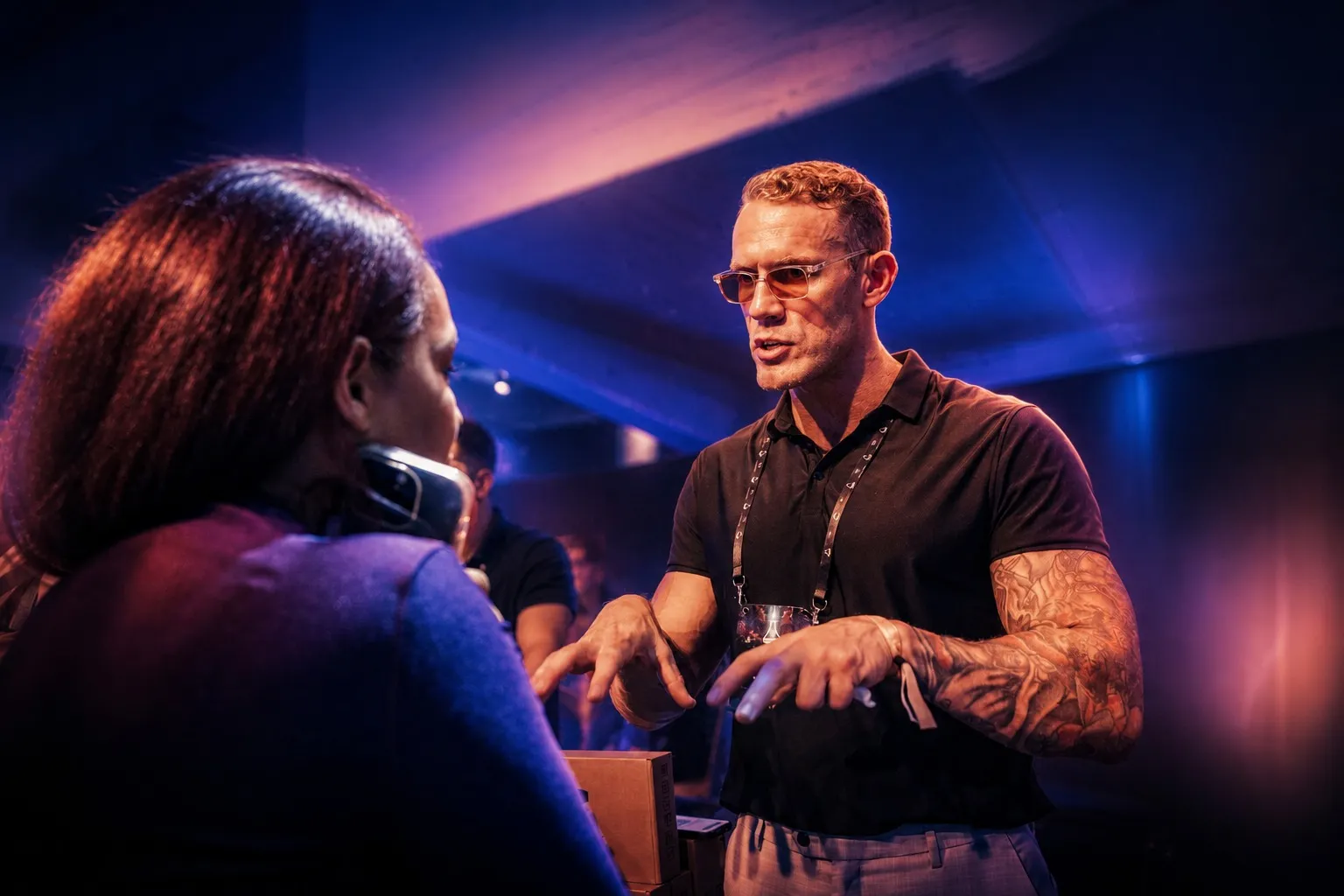
At Biohacker Summit In Helsinki, John Harper Turned A Story Of Injury Into A Case For Recovery
At the Biohacker Summit in Helsinki, Finland, on Wednesday, 3 July 2024, John Harper did not begin with data, devices or grand claims about human optimisation. He began with a story.
“Stories are fun. I learn a lot from stories,” Harper told the audience during his presentation, Red Light Therapy for Optimal Performance & Recovery. “I’m very much a story person.”
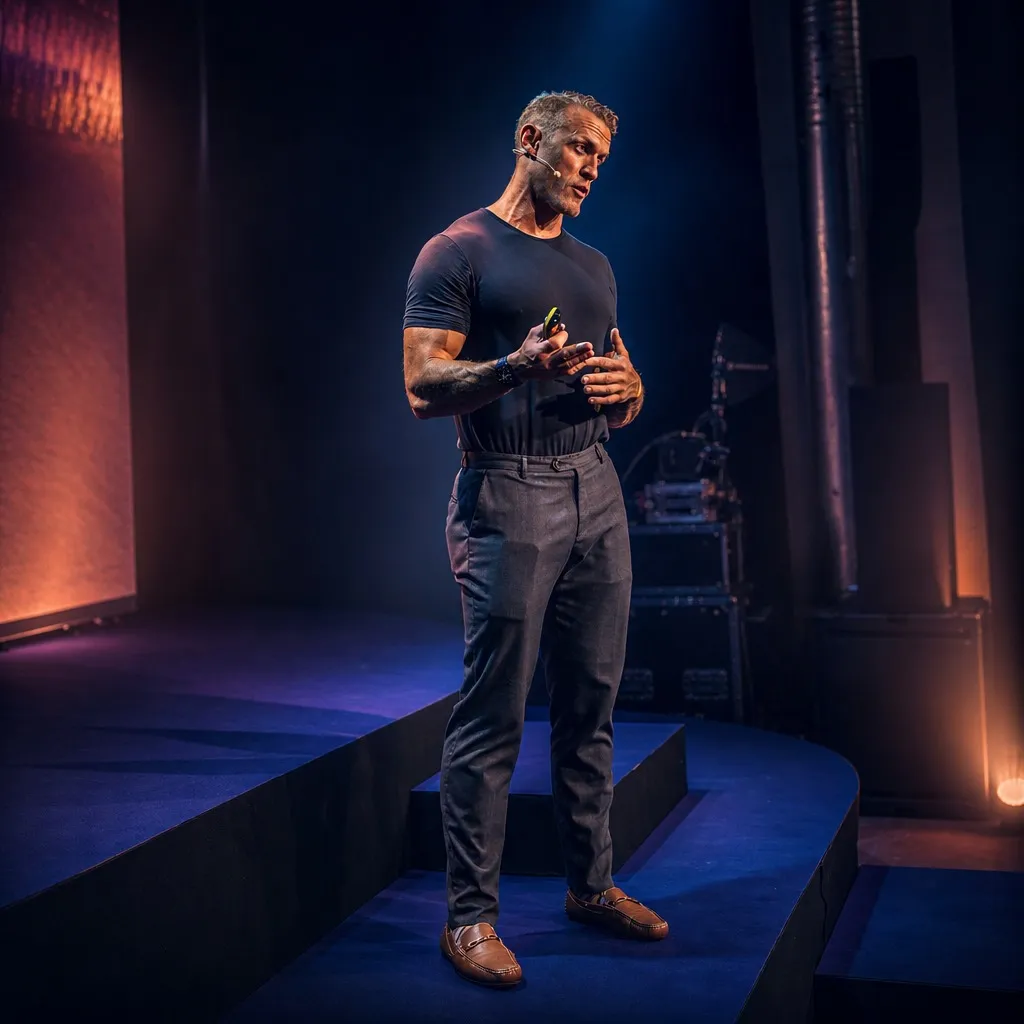
It proved a revealing opening. Harper, a certified master trainer, former athlete and founder and chief executive of LumaFlex, used his session not simply to promote a technology, but to trace the emotional and physical cost of a culture that too often mistook endurance for wisdom.
Confidence, Competition, And The Body As Armour
Harper described a childhood shaped by intensity. Raised in a large, competitive family with five brothers, he spoke of ambition, friction and the early desire to become harder, stronger, less vulnerable.
Fitness, he said, became more than a profession. It became a form of self-construction.
“What I really think now, being older and doing a lot of retrospect, is that I actually was trying to overcome my own shyness, my own embarrassment, and I want confidence,” he said.
That insight gave the talk its emotional core. In Harper’s telling, bodybuilding and athletic performance were not merely pursuits of strength. They were also efforts to quiet insecurity. Behind the disciplined exterior, he suggested, many athletes were trying to protect something softer and more fragile.
From there, his career accelerated. He moved into personal training, opened six gyms and worked across fitness technology. But even as his business world expanded, he remained deeply embedded in a punishing athletic ethos.
The Tyranny Of No Pain, No Gain
Harper’s account of the fitness industry was sharp and unsentimental. He spoke of a culture that glorified suffering, where pushing through injury was treated as evidence of seriousness and pain became a badge of legitimacy.
“This culture was something that I was very, very big into, sweating it out, gritting my teeth, pushing as hard as I could and basically sacrificing my body,” he said.
The consequences arrived in stages. Rugby brought major shoulder injuries. Competitive CrossFit added damage to his knee. Boxing, after years in the amateur ranks, culminated in something far more alarming: a tumour in his head that he said developed from repeated micro-traumas to the brain.
Taken together, these were not isolated sporting setbacks. They formed a portrait of cumulative harm, the kind that is often normalised until it can no longer be ignored.
Looking back from the edge of 40, Harper framed that earlier mindset with regret rather than bravado.
“I want to tell that younger self of me to calm down, to focus more on recovery, and know that it’s okay to take a few steps back, to take a few steps forward,” he said.
Injury, Depression, And A Different Kind Of Intervention
The aftermath, he told the Helsinki crowd, was not only physical. Chronic pain fed depression. Medication and painkillers followed. The heroic logic of pushing through had delivered him somewhere dark.
Then came a small domestic intervention. Harper said his wife introduced him to red light therapy through a large, awkward lamp he initially dismissed. He used it, by his own account, partly to humour her. Yet after applying the light to his injuries for 20 minutes each evening, he said his knee pain began to recede within a week, and after two weeks he no longer needed the device.
That experience altered the trajectory of his work. He immersed himself in the science and practical application of light therapy, eventually developing LumaFlex, a portable red light therapy device designed for athletes and active users seeking treatment on the move.
The entrepreneurial turn was central to the story, but it was not the whole of it. Harper cast the device as a response to a gap he had felt personally: the absence of convenient, non-invasive recovery tools in a culture still too quick to reach for cortisone, pills or surgery.
From Pain Relief To Daily Practice
If Harper’s talk began as testimony, it ended as a manifesto for habit. He argued that red light therapy should not be seen only as a remedy for acute pain, but as part of an everyday health routine.
“What I want to encourage people with using red light is that it is like a multivitamin,” he said. “It’s like clean water, healthy food, regular sleep, exercise, movement. It’s something that you want to take as a priority in your daily life.”
That comparison did important rhetorical work. It shifted red light therapy from the margins of recovery culture toward the realm of ordinary maintenance, placing it alongside familiar pillars of wellbeing. Harper urged patience and consistency, suggesting that many people gave pharmaceuticals and invasive treatments more immediate trust than they gave slower, non-invasive approaches.
His argument was not just that people should seek relief. It was that they should rethink what recovery deserved in the hierarchy of health.
Performance, Not Just Relief
Harper also pushed beyond pain management into the more provocative territory of performance enhancement. Drawing on studies and anecdotal evidence from athletes he said had used the technology, he suggested that red light therapy was increasingly being viewed as a competitive tool as much as a therapeutic one.
That claim hinted at a future debate larger than product design or personal wellness. If recovery technologies can also improve output, stamina or resilience, then they begin to reshape the ethics of sport itself. Harper suggested that regulation could eventually follow as the field matured.
Whether one accepted that forecast in full or not, the significance of his presentation lay elsewhere too: in the challenge it posed to a deeply ingrained athletic script.
A Rebellion Against Self-Damage
At Biohacker Summit, John Harper offered more than a founder’s origin story. He presented a quiet rebellion against the old romance of self-damage. He spoke as someone who had once equated pain with worth, then discovered that survival sometimes required a different kind of discipline.
The most compelling part of his message was not technological. It was moral. Recovery, in his framing, was not softness. It was responsibility. It was the wisdom to stop worshipping the breakdown of the body as proof of commitment.
For a fitness world long seduced by extremes, that may have been the most radical message in the room.
Frequently asked questions
How did John Harper come to red light therapy?
Through injury and its aftermath. He described a fitness culture that glorified suffering, then chronic pain that fed depression, medication and painkillers. His wife introduced him to red light therapy through a large, awkward lamp he initially dismissed and used partly to humour her.
What is his critique of no pain, no gain?
That it cost him his body. Harper described a culture where pushing through injury was treated as evidence of seriousness: sweating it out, gritting his teeth, pushing as hard as he could and basically sacrificing his body. The heroic logic delivered him somewhere dark.
How should red light therapy be used?
As routine rather than rescue. What I want to encourage people with using red light, Harper said, is that it is like a multivitamin, in the same category as clean water, healthy food, regular sleep and exercise, rather than a remedy reserved for acute pain.
About the event
This recap is part of the Biohacker Summit 2024 Helsinki series, recorded in Helsinki on 2 and 3 July 2024. Read the summary of the whole event or join the next edition, HOLOLIFE Summit 2026 Amsterdam, on 14 and 15 November 2026.
In this story

Comments
Loading comments…