Biohacker Summit 2024 Helsinki
The 80-20 Of Longevity, According To Dr. Silvana Laith
By Teemu Arina · · Updated
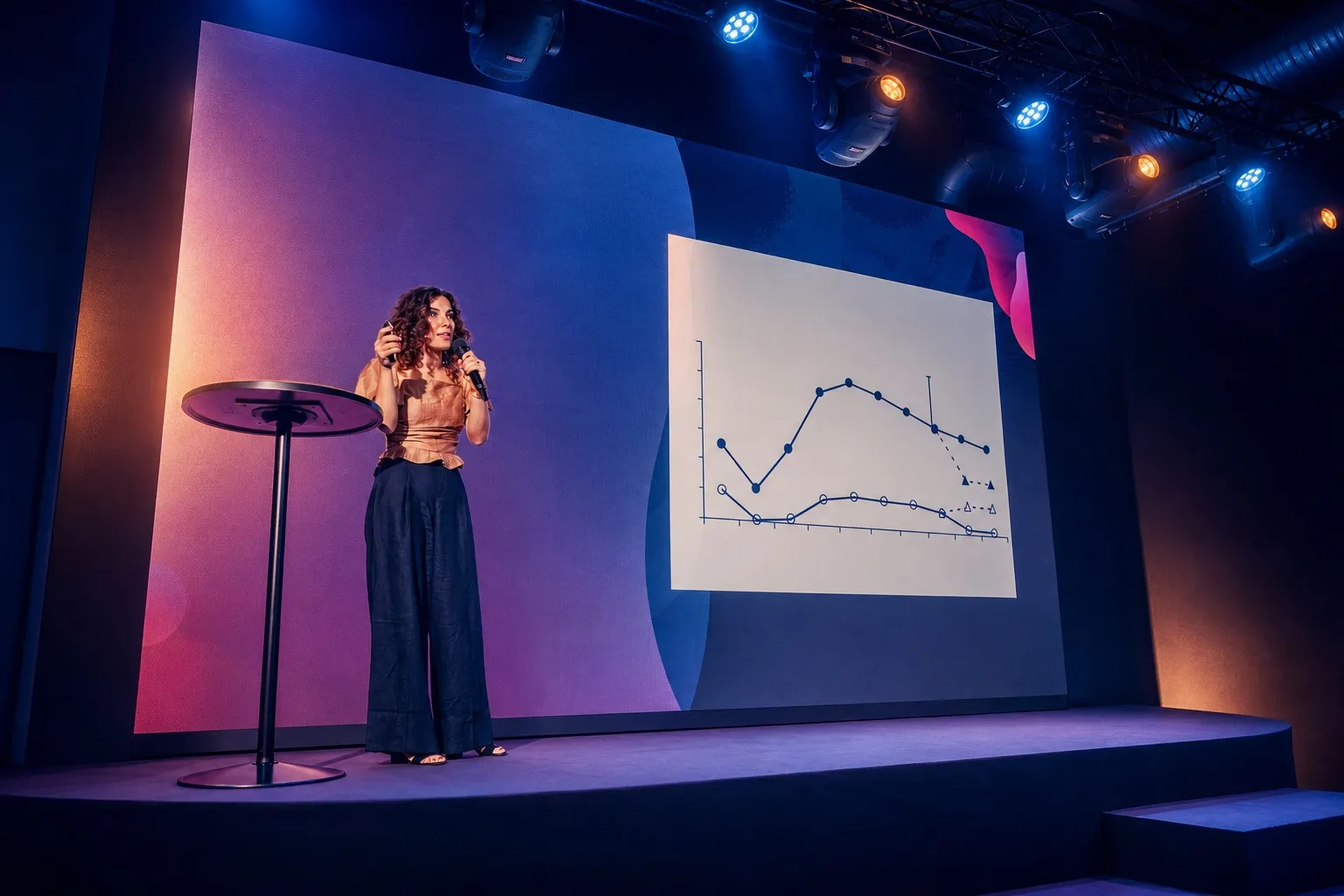
At The Biohacker Summit In Helsinki, Dr. Silvana Laith Argued That Hormones, Toxins And Targeted Supplementation Formed The Essential Core Of Healing Well And Ageing Well
At the Biohacker Summit in Helsinki on 3 July 2024, Dr. Silvana Laith delivered a blunt, provocative and tightly argued presentation titled Pareto Principle of Biohacking: How Top Athletes and Top Performers Heal, reducing the sprawling world of optimisation to a simpler thesis: if longevity is the goal, focus first on hormones, detoxification and supplements.
Laith, medical director at The Longevity Clinic and a neuropathologist specialising in integrative medicine and regenerative longevity protocols, framed ageing not as an inevitable slide but as a preventable condition to be managed with urgency. “Change your doctor if they tell you it’s just part of getting old,” she said, drawing one of the strongest reactions of the session.

A Reframing Of Ageing
The force of Laith’s talk lay in its refusal to treat decline as natural. She argued that ageing should be approached like any other chronic condition, and that prevention, measurement and intervention mattered more than resignation. Her framework rested on five pillars of longevity: hormones, detox, supplements, exercise and sleep. On stage at the Biohacker Summit, she concentrated on the first three.
That choice reflected a wider shift in high-performance health culture, where the conversation has moved beyond calories and cardio into a more intricate landscape of endocrine health, toxic burden and biomarker tracking. Laith’s version of that shift was uncompromising. “Test yourself now because you cannot control what you don’t measure,” she said.
The Hormone Question, And Why Testosterone Was Central
The core of Laith’s presentation was a challenge to one of medicine’s most durable simplifications: that testosterone is mainly a male concern. She insisted it is crucial for both men and women, influencing libido, muscle mass, healing, bone density and mental health. In women, she noted, testosterone remains deeply under-discussed even though it plays a central biological role and contributes to estrogen production.
Low testosterone, in her account, was not merely about sex drive or gym performance. It was linked to metabolic disorders, osteoporosis, depression, sarcopenia and, in post-menopausal women, profound changes in mood, body image and physical resilience. She described hormones as the “orchestra chief” of the body, directing systems that must work in concert if health is to hold.
Her criticism was aimed not only at public misunderstanding but at clinical complacency. Many patients, she said, arrive after seeing six or seven doctors, only to be told their symptoms are simply the price of ageing. Laith’s response was that such symptoms often warrant investigation, not dismissal.
The Problem With “Normal”
One of the more potent parts of the session concerned reference ranges. Laith argued that laboratory norms can create a false sense of security, because they are built around population averages rather than individual optimal function. The implication was clear: being “within range” may still mean feeling unwell, underpowered or metabolically vulnerable.
“You don’t want to be in the reference range; you want to be optimal,” she said.
That line captured the ethos of the summit itself, where health was treated less as the absence of disease than as a level of function to be actively defended and refined.
The Invisible Pressure Of Modern Toxins
If hormones were one side of the equation, toxins were the other. Laith pointed to endocrine disruptors, especially xenoestrogens and heavy metals, as key drivers of hormonal decline and fertility disruption. Herbicides, plastics, cosmetic products, synthetic fragrances and common environmental exposures all featured in her account of modern biological overload.
Women, she warned, may face especially high exposure through beauty and skincare products. Men, meanwhile, were not spared. She connected toxic burden to falling testosterone, poorer sperm health and rising infertility, describing a landscape in which chemical exposure had become both intimate and cumulative.
Her message was not abstract. Test for toxins, she urged, and do so properly. In her clinical view, many patients improve significantly once detoxification is addressed, sometimes reducing the need for hormone replacement altogether.
Supplements, But Not The Ones People Expected
Laith’s third pillar was supplementation, though here too she rejected some conventional assumptions. She recommended peptides and whole food vitamin C, while warning against routine iron supplementation and synthetic ascorbic acid. In a room accustomed to stacks of capsules and performance powders, her remarks stood out for their selectivity.
She also stressed that protein quality mattered more than crude gram counts, particularly for athletes and vegans trying to optimise recovery and muscle maintenance. The point was less about quantity than absorption and utility, a distinction often lost in performance culture’s obsession with totals.
A Practical Prescription For Longevity
For all its controversy, the talk ended in practical terms. Test hormone levels early. Track toxin exposure. Work with a doctor if treatment is needed. Exercise daily, especially resistance training. “Exercise every day at least 25 minutes of resistant exercise for longevity,” Laith said. And for those managing iron levels, she offered a characteristically direct intervention: “The most efficient way to control the level of iron in your body is by donating blood.”
It was a presentation that mixed clinical argument, biohacker conviction and a certain rhetorical fearlessness. Not every claim sat comfortably within mainstream medical consensus, but that was partly the point. At the Biohacker Summit, Dr. Silvana Laith was not making a case for moderation. She was making a case for vigilance.
And beneath the boldest lines was a simple idea with enduring force: decline may be common, but common is not the same as inevitable.
Frequently asked questions
What are Silvana Laith's five pillars of longevity?
Hormones, detox, supplements, exercise and sleep. On stage in Helsinki the medical director of The Longevity Clinic concentrated on the first three, arguing that if longevity is the goal, hormones, detoxification and supplementation are where the disproportionate returns sit.
Why does she say testosterone matters for women?
Laith challenged the idea that testosterone is mainly a male concern, insisting it is crucial for both men and women and influences libido, muscle mass, healing, bone density and mental health. In women it remains under-discussed even though it contributes to estrogen production.
What is wrong with laboratory reference ranges?
They can create a false sense of security, because they are built around population averages rather than individual optimal function. You don't want to be in the reference range, Laith said, you want to be optimal. Being within range may still mean feeling unwell.
About the event
This recap is part of the Biohacker Summit 2024 Helsinki series, recorded in Helsinki on 2 and 3 July 2024. Read the summary of the whole event or join the next edition, HOLOLIFE Summit 2026 Amsterdam, on 14 and 15 November 2026.
In this story
Comments
Loading comments…