News
Beyond Anti Psychiatry: The Rise of Metabolic Psychiatry
By Teemu Arina ·
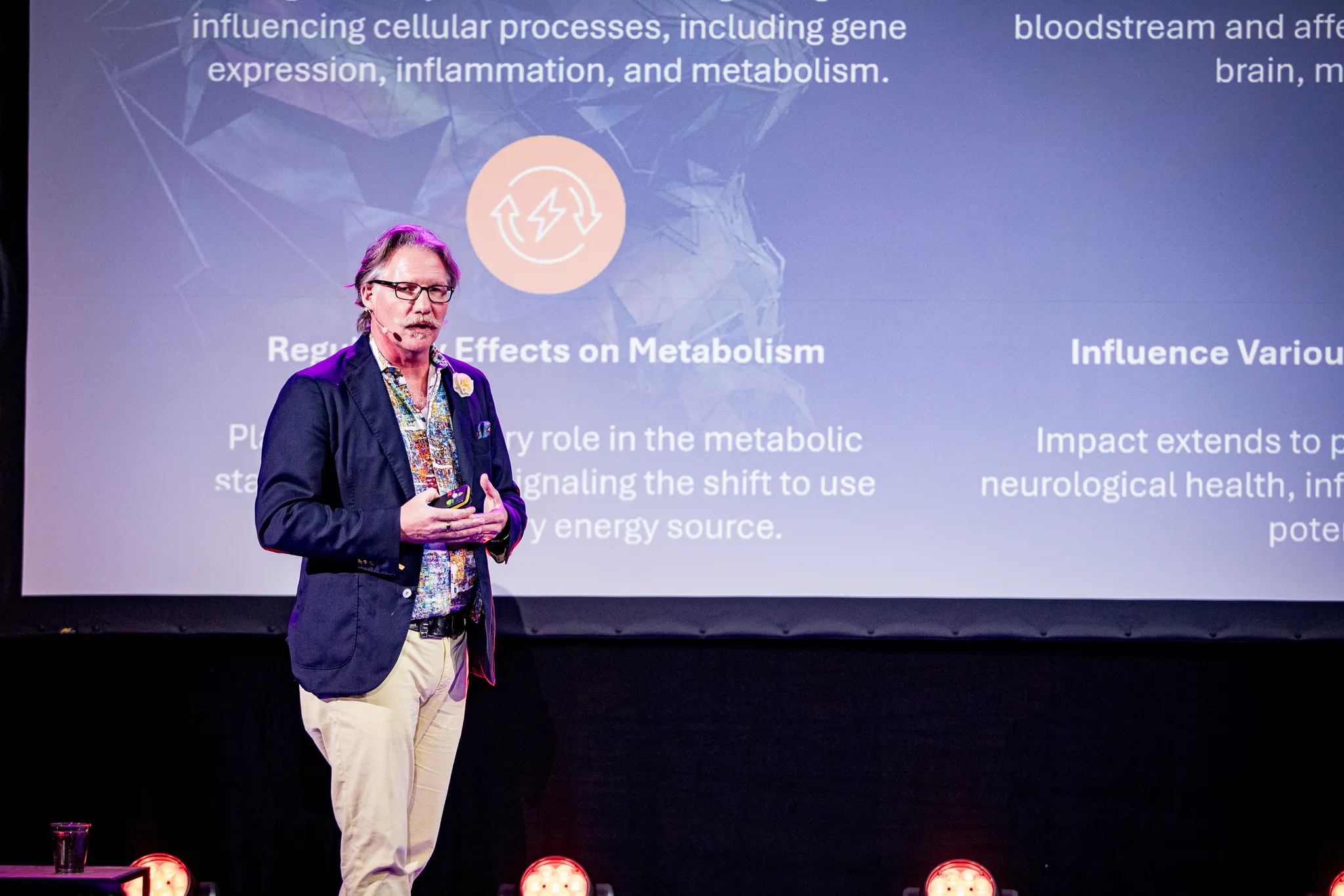
Anti psychiatry questions whether psychiatric diagnoses and treatments can explain or help mental distress; metabolic psychiatry asks whether the brain’s energy supply and wider metabolic health may also matter. This emerging approach does not replace psychological or psychiatric care. It investigates the body’s contribution to mental wellbeing through nutrition and sleep.
The tension between traditional models and anti psychiatry
The term anti psychiatry covers various criticisms of psychiatric diagnosis, institutions, and treatment. Its central challenge is that distress can be shaped by relationships, social conditions, and lived experience, rather than only by symptoms viewed through a medical framework.
This debate also involves what counts as evidence. A review of evidence-based mental health policy argued that research focused on individual treatments does not necessarily explain how well mental health services work in practice. It called for a broader evidence base including primary care and prevention (critical appraisal of evidence-based mental health policy). Similarly, a review of participatory psychiatry suggests that people with lived experience can contribute knowledge clinical observation might miss, though it warns that participation must be meaningful rather than tokenistic (framework for integrating first-person perspectives).
These critiques do not settle whether psychiatric treatment is helpful or harmful; they point to a need for care that values both evidence and lived experience. A metabolic perspective asks a distinct question: could changes in the body’s energy systems affect how someone feels, thinks, or responds to treatment? It considers how factors such as energy metabolism may influence mental health without rejecting the existence of mental distress or the value of psychiatric care.
Metabolic psychiatry in Koch’s talk
In her talk "Ketosis as a Calming State for Anxiety & PTSD" at Biohacker Summit 2023 Amsterdam, Simone Koch presented metabolic psychiatry as a way to consider the brain’s physical energy needs alongside established treatments. She argued that the brain has high energy demands and that trauma or prolonged stress may impair glucose use, potentially making it harder for the brain to perform repair and learning.
Koch proposed a whole-body approach, describing ketosis as a potential source of energy for the brain and a metabolic foundation for work such as therapy. This is a framework she proposed in her talk, not a settled clinical conclusion. The supplied research papers address psychiatric knowledge and evidence rather than testing ketogenic diets for anxiety or PTSD.
If the brain is damaged, it may not be able to process glucose for repair. Ketone bodies provide a different source of energy that helps the brain heal alongside other treatments like neuroplasticity and therapy.
— Simone Koch, Biohacker Summit 2023
Metabolic psychiatry considers distress alongside biological factors, social context, and psychological care. Koch also emphasized sleep, saying that REM sleep is vital for processing trauma and that poor sleep can create a cycle of failed recovery.
Ketosis as a biological tool for anxiety and PTSD
Ketosis is a state where the body produces ketone bodies to use as fuel alongside glucose. In her talk, Koch proposed that ketones might offer an alternative energy source when the brain uses glucose ineffectively, potentially complementing psychological treatments.
This is a biological rationale, not evidence that ketosis reliably treats anxiety or PTSD. The available papers do not establish that a ketogenic diet improves outcomes for these conditions. Koch’s point is that therapy depends on the brain having the physical resources to support learning and change. She links this to ketosis, sleep, and nervous-system recovery, urging patience and rest over pure effort.
Sleep is not negotiable for health. The worse you sleep, the worse your health gets, and you enter a vicious cycle where your brain is unable to process trauma. REM sleep is essential for the brain to process and heal.
— Simone Koch, Biohacker Summit 2023
Discussions of mental health can include sleep, energy, and physical wellbeing alongside psychological support. Ketosis has not been proven as a treatment.
Nutritional ketosis and metabolic flexibility
At HOLOLIFE Summit 2025 Europe, Dorian Greenow described nutritional ketosis as a state where cells can use both ketones and glucose. He called this flexibility a "metabolic buffet" that may support steadier energy and brain function. His talk focuses broadly on metabolic health rather than clinical evidence for specific mental health conditions.

Dorian Greenow at HOLOLIFE Summit 2025 Europe
Nutritional ketosis offers your cells a metabolic buffet of glucose and ketones, allowing optimal brain energy and metabolic flexibility.
— Dorian Greenow, HOLOLIFE Summit 2025 Europe
Greenow encouraged listeners to investigate nutrition with curiosity. Individual needs and health histories differ, and a speaker’s enthusiasm is not independent evidence. The talks do not show that everyone with anxiety or PTSD has impaired glucose use or that ketosis restores it.
Practical applications for mental wellness
A practical approach starts with observation. One can note whether sleep, energy, or mood shifts alongside changes in meals or routine, then discuss these observations with a health professional. This can inform care conversations without attempting to diagnose a condition.
Koch’s talk supports prioritizing sleep and treating recovery as a wider physiological process. Greenow’s advice emphasizes curiosity and conscientious research:
Be curious—embrace the natural curiosity we have as children, do conscientious research, and question established rules to discover what truly supports health.
— Dorian Greenow, HOLOLIFE Summit 2025 Europe
For broader nutritional interest, WellnessIndustry.io’s practical guide to an anti-inflammatory diet offers an overview, though it is not evidence that such a diet treats psychiatric conditions.
Anyone considering a ketogenic diet should discuss it with a health professional, especially when managing existing conditions or treatments. The talks offer a rationale for inquiry, not an instruction to replace existing care. Details for HOLOLIFE Summit 2026 Amsterdam are available for 14th–15th November 2026.
From ideology to physiology

Two overlapping lenses bring social context and bodily processes into view together.
Physiological inquiry is useful when it does not become a complete explanation. Anti psychiatry critiques prompt questions about power and diagnosis, while metabolic psychiatry asks whether bodily processes such as energy metabolism are relevant to wellbeing.
These perspectives can coexist. A person can value their own account of distress and still explore metabolic health. The participatory psychiatry review supports including first-person knowledge in care without suggesting it should replace clinical evidence.
Koch and Greenow suggest paying attention to the brain’s energy and the body’s metabolic state. The cited papers support reflection on evidence and participation, rather than establishing ketosis as a treatment for anxiety or PTSD. Metabolic psychiatry remains an emerging area of inquiry and a potential complement to care.
FAQ
What is the difference between anti psychiatry and metabolic psychiatry?
Anti psychiatry critiques psychiatric diagnosis and institutions. Metabolic psychiatry is an emerging field exploring whether brain energy metabolism contributes to mental health.
Can diet impact mental health disorders?
Koch and Greenow suggest nutrition may relate to brain function, but they do not establish that specific diets treat mental health disorders. Diet should be considered part of a wider health picture.
How does ketosis affect anxiety?
Koch proposed that ketones might provide an alternative energy source to support therapy. This is a proposed mechanism, not clinical proof that ketosis reduces anxiety.
Why is metabolic psychiatry gaining traction?
It allows for investigating whether mental health is influenced by physical processes. The current focus is on brain energy, sleep, and metabolic flexibility.
Sources
- Framework for integrating first-person perspectives in psychiatry
- Critical appraisal of evidence-based mental health policy
- Talk: "Ketosis as a Calming State for Anxiety & PTSD", Simone Koch, Biohacker Summit 2023 Amsterdam
- Talk: "Nutritional Ketosis - The Mountain of Evidence", Dorian Greenow, HOLOLIFE Summit 2025 Europe
This article is for general information and is not medical advice.
In this story

Comments
Loading comments…