Biohacker Summit 2020 Helsinki
Flu Kung-Fu: The Art Of Preventive Health And Biohacking Immunity
By Teemu Arina · · Updated
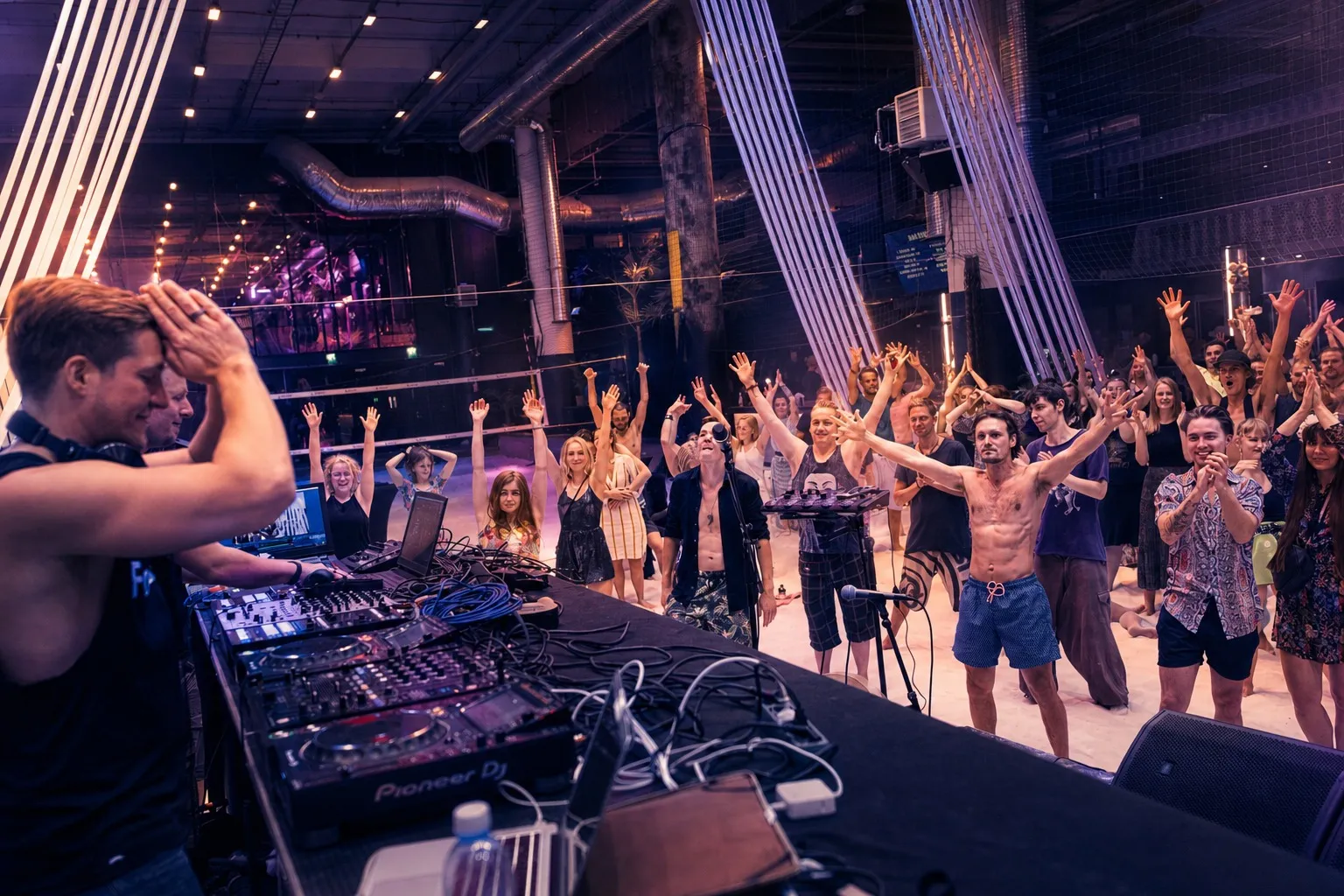
At Biohacker Summit 2020 Helsinki, Prevention Was Cast As A Martial Art
On 16 October 2020, at Biohacker Summit 2020 Helsinki in Finland, the authors of Biohacker’s Handbook delivered a presentation with a title that sounded half provocation, half philosophy: Flu Kung-Fu: The Art of Preventive Health. Yet beneath the wit sat a serious thesis. Health, they argued, was not best defended in the moment of crisis, but cultivated long before it, through disciplined habits that made the body harder to break.
The speakers, technology expert Teemu Arina, medical doctor Olli Sovijärvi and nutrition expert Jaakko Halmetoja, framed the immune system not as a passive shield but as a trained intelligence. Their message was clear. In a world dense with pathogens, pollution, poor sleep and chronic stress, resilience had become a daily practice.
Bruce Lee Became The Unlikely Patron Saint Of Biohacking
Teemu Arina reached first for Bruce Lee, presenting the martial arts icon as a prototype biohacker before the term existed. Lee, Arina said, fused techniques, tested ideas in practice and pushed beyond rigid schools of thought. In that sense, he embodied what the speakers saw as the essence of biohacking: not dogma, but synthesis.
“Be like water, my friend,” the presentation recalled, drawing from Lee’s most famous line. The phrase was used not as self-help wallpaper, but as a model for biological and psychological flexibility. Adaptation, not stubbornness, was the route to survival.
Arina argued that kung fu, in its original sense, did not simply refer to combat. It meant skill achieved through patient effort. That definition became the spine of the talk. Biohacking, in this account, was skillful work applied to health. Perseverance built resilience. Resilience allowed adaptation. And adaptation, in the age of novel pathogens, mattered more than brute force.
The Human Body Was Described As A Holobiont, Not A Machine
One of the presentation’s most striking ideas was its insistence that a person is not a sealed individual, but what the speakers called a “holobiont”. In the words attached to the Biohacker’s Handbook authors, “You are holobiont: a collection of different bones, microbiome, muscles, but also your history and experiences.”
This was more than a poetic flourish. It was the foundation of their argument that immunity depends on ecological richness, both within the body and around it. A narrow diet, a sterile indoor life and a constant severing from the natural world did not simply impoverish experience. They impoverished biology.
Halmetoja warned against single-modality thinking, whether in food, health or ideology. “If you focus on only one modality, you miss a huge portion of the intelligence life has created,” he said. To strengthen the life inside the body, the trio argued, people needed variety: microbial, nutritional, environmental and intellectual.
The Real Pandemic, They Said, Was Ill Health
The presentation unfolded in the shadow of Covid-19, but the speakers insisted the virus had exposed rather than created the deeper crisis. “The real pandemic is ill health,” they said. Their target was silent inflammation, metabolic dysfunction, poor sleep, smoking, inactivity, overdrinking and the slow erosion of public vitality.
In this framework, age alone was an incomplete explanation for vulnerability. Degenerative disease, chronic stress and immune imbalance formed the more decisive backdrop. The point was not to dismiss infectious disease, but to widen the lens. Pathogens landed differently, they suggested, in bodies already weakened by modern life.
That argument shaped the central logic of the session. Preventive health was not a vague aspiration. It was the practical labour of moving away from impairing factors and towards fortifying ones.
The Immune System Was Treated As Something To Train, Not Merely Rescue
The Biohacker’s Handbook team proposed a sequence for dealing with new pathogens: precaution, preparation, prevention and action. The order mattered. Before reaching for reactive measures, they urged people to prepare the internal environment.
On the impairing side of the ledger they listed chronic sleep deprivation, lack of exercise, poor diet, pollution, poor air quality and chronic stress. On the fortifying side sat restorative sleep, regular exercise, stress management, optimal nutrition, quitting smoking and reducing alcohol.
“Trusting your immune system is the ultimate cure,” the speakers said. “True mastery is when you don’t have to use force because you have fortified your own system into a resilient state and learned the art of preventive health.”
It was an alluring formulation, part stoicism, part systems biology. The body, in their view, should not be left to improvise under pressure.
Sleep, Vitamin D, Melatonin And Fasting Formed The Core Of Their Toolkit
Much of the talk returned to fundamentals, though often with a biohacker’s flair. Sleep was presented not as wellness jargon but as immunological infrastructure. Even small amounts of alcohol, the speakers noted, could degrade deep sleep and recovery, making resilience harder to build.
Vitamin D was elevated as a central regulator of immune function. The speakers argued that optimal levels helped prime immune cells for action, particularly in the context of respiratory illness. Melatonin, too often confined to conversations about jet lag, was described as a potent immune modulator. The discussion pointed to microdosing, around 0.1 mg in the evening, as a possible way to gain benefit without the heavier side effects associated with larger doses.
Intermittent fasting was another recurring theme. By giving the body periods without food, the speakers said, people could stimulate autophagy, support glutathione production and encourage metabolic flexibility. The body repaired, cleared and recalibrated itself not only through what it consumed, but through strategic abstinence.
Hormetic stressors, including cold exposure, sauna, sunlight and exercise, were similarly praised when used in measured doses. Stress, in this account, was not the enemy. Unrelenting, badly managed stress was. The right amount, at the right time, could teach the organism to become stronger.
Gut Health Was Cast As The Front Line Of Immunity
If the presentation had a biological centre of gravity, it was the gut. The speakers returned repeatedly to microbial diversity, gut lining integrity and the role of targeted nutritional support in shaping immune readiness.
A damaged gut lining, they argued, fuelled low-grade inflammation and diverted immune resources. A resilient gut, by contrast, offered stronger defences. Lactoferrin and glutamine were highlighted as useful tools, while probiotic strains such as Lactobacillus plantarum were noted for their immune-supportive effects.
The wider message was ecological. A diverse diet rich in plant compounds, fungi and prebiotic fibres was presented as a way to widen the body’s internal intelligence. Less monotony meant more resilience. More microbial diversity meant a broader repertoire for dealing with biological stress.
Air, Forests And The Outdoor World Were Presented As Medicine
The summit’s Helsinki setting gave added force to one of the talk’s strongest claims: the environment enters the body more intimately than modern urban life tends to admit. Air quality, especially fine particulate pollution known as PM 2.5, was described as a serious and often neglected risk. These particles can penetrate deep into the lungs and pass into the bloodstream, increasing all-cause mortality.
The speakers advocated monitoring pollution levels and timing outdoor exercise accordingly. They also stressed the value of indoor air filtration, humidity control and plant-based systems that improve the quality of enclosed spaces.
Yet no machine, they suggested, fully replaced the forest. Drawing on the Japanese idea of Shinrin Yoku, or forest bathing, the presenters described time in nature as a direct immunological intervention. Even short exposure could help, they said, but longer immersion, around two hours, offered a more substantial boost.
In one of the talk’s more compelling turns, the forest was not romanticised as escape, but repositioned as microbial instruction. Natural environments diversified the invisible life around and within us. For children raised on concrete, screens and sanitised surfaces, that mattered all the more.
Fear, Information Overload And Sanitised Excess Were Also Named As Threats
The trio did not confine illness to germs alone. They pointed to what they called the contagion of fear, accelerated by social media, rolling news and a culture of constant alarm. The answer was not ignorance, but an “information diet”: more intentional consumption, less neurological bombardment.
They also urged caution about overcorrection. Hand sanitiser had its place, but excessive use, they warned, could damage the skin microbiome, increase vulnerability to fungal problems and potentially contribute to resistant bacterial behaviour. The same systems thinking applied here too. Health interventions, even useful ones, had side effects when abstracted from context and used without restraint.
A Philosophy Of Health That Sought Strength Before Crisis
What made Flu Kung-Fu: The Art of Preventive Health linger was not any single recommendation, but the coherence of its worldview. At Biohacker Summit 2020 Helsinki, the authors of Biohacker’s Handbook offered an argument against fragmentation. Human beings, they said, had become detached from nature, detached from bodily rhythms and detached from the slow disciplines that build capacity before emergency arrives.
Their answer was neither miracle cure nor pharmaceutical rejection. It was a hierarchy. Build the terrain first. Train the organism. Improve sleep. Move more. Diversify the diet. Strengthen the gut. Respect air quality. Spend time in forests. Reduce smoking. Cut back alcohol. Use supplements with precision, not superstition.
“Kung fu means skillful work achieved through perseverance,” the speakers said. It was an apt closing thought for a year in which so many people had discovered that health could not be improvised on demand. In Helsinki, preventive medicine was recast as a martial practice: patient, adaptive and unspectacular until the day it mattered most.
Frequently asked questions
What is the thesis behind the title?
That health is not best defended in the moment of crisis but cultivated long before it. Beneath a name that sounds half provocation, half philosophy, the authors of Biohacker's Handbook made a serious case for prevention as a practised discipline.
Why did they invoke Bruce Lee?
Teemu Arina presented him as a prototype biohacker before the term existed, someone who fused techniques, tested ideas in practice and pushed beyond rigid schools of thought. In that sense he embodied synthesis rather than dogma.
What did they say the real pandemic was?
Ill health. The presentation unfolded in the shadow of Covid-19, but the speakers insisted the virus had exposed rather than created the deeper crisis, and described the person as a holobiont rather than a machine.
About the event
This recap is part of the Biohacker Summit 2020 Helsinki series, recorded in Helsinki on 16 and 17 October 2020. Read the summary of the whole event or join the next edition, HOLOLIFE Summit 2026 Amsterdam, on 14 and 15 November 2026.
In this story
Comments
Loading comments…