Biohacker Summit 2020 Helsinki
Biohacking Women Put Female Physiology Back At The Centre
By Teemu Arina · · Updated
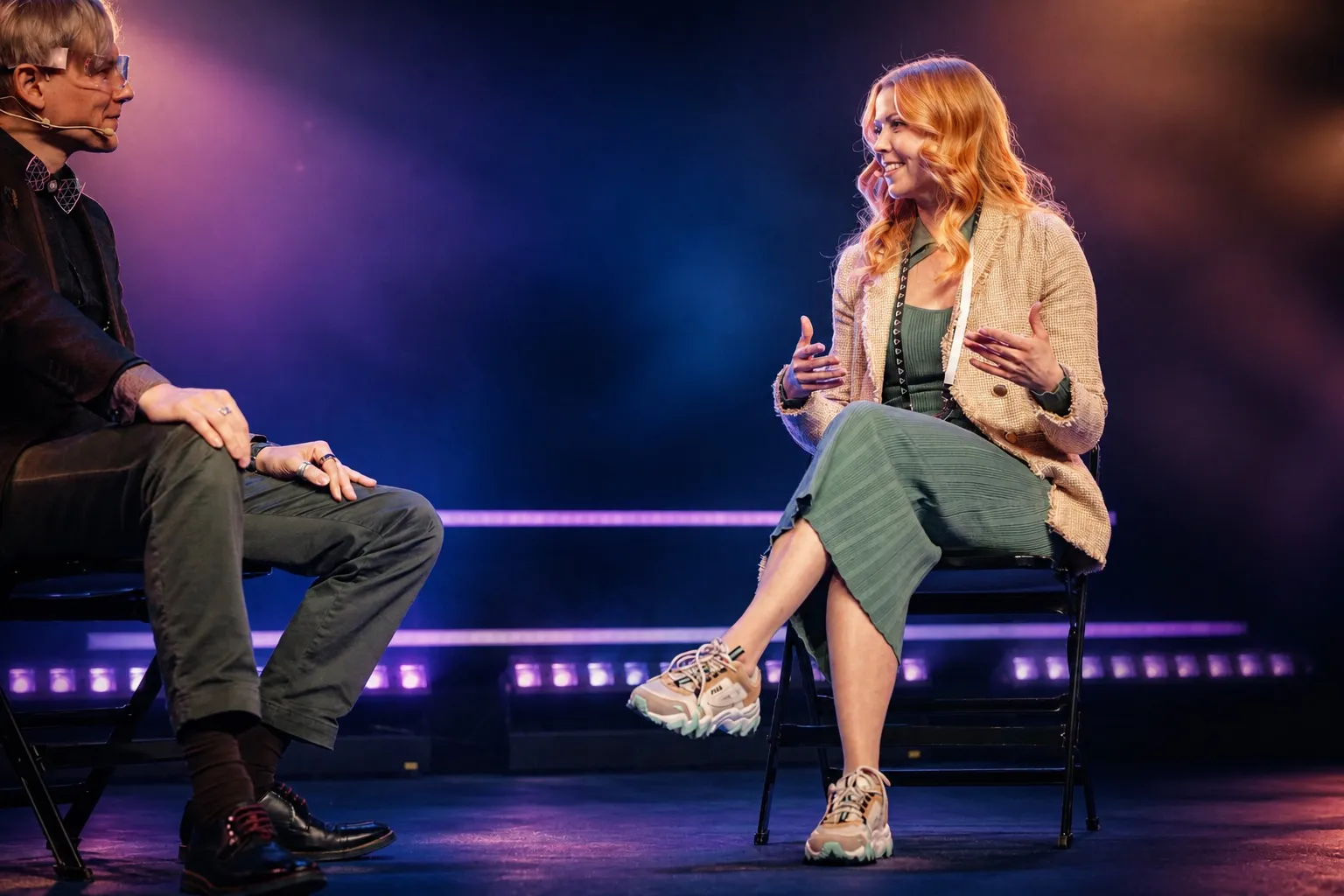
At Biohacker Summit 2020 Helsinki, Dr. Sandra Porthan Argued That Women’s Health Could Not Be Optimised With A Male Template
Biohacking has long sold itself in the language of engineering: faster, leaner, sharper, more productive. At the Biohacker Summit 2020 Helsinki, held in Helsinki, Finland, on Friday 16 October and Saturday 17 October 2020, Dr. Sandra Porthan offered a corrective that felt both overdue and quietly radical. In her presentation, Biohacking Women: Difference Between Biohacking Female & Male Health, she made the case that much of mainstream biohacking had been built around masculine rhythms, while female health demanded a different clock, a different method, and often a different ambition altogether.
Porthan, a physician, clinical nutritionist and yoga instructor, spoke from both professional depth and personal experience. “Most people who enter the biohacking realm have their own personal story,” she said. “I had to heal myself first before I could truly start helping others.”

That sentence gave the talk its moral centre. This was not biohacking as gadget worship or performance theatre. It was biohacking as recovery, literacy and respect for the body’s own intelligence.
A Different Rhythm, Not A Different Standard
The crucial distinction in Porthan’s argument was simple, but far-reaching. Men, she said, largely operate on a 24-hour hormonal rhythm. Women, while also shaped by circadian cycles, live through an additional 28-day hormonal pattern that affects energy, recovery, mood, inflammation and performance.
To ignore that monthly cycle, she suggested, was to force women into a system never designed for them. To understand it was to unlock a more precise and humane form of health optimisation.
Traditional biohacking often assumed that the ideal body should perform with the same intensity every day. Porthan challenged that premise. Female physiology, she argued, was not failing when it fluctuated. It was doing exactly what it was meant to do.
Why Women Often Enter Biohacking Through Softer Doors
Porthan also addressed the culture around biohacking itself. The term, she noted, carried a distinctly masculine tone, one rooted in mechanics, dominance and output. Women, by contrast, often arrived through practices that seemed gentler but were no less powerful: yoga, mindfulness, breathing, nutrition and emotional self-awareness.
“Women are often attracted to softer, more gentle ways of biohacking like yoga or mindfulness,” she said. “For women, it is incredibly important to get in tune with their own bodies.”
That softer approach was not, in her telling, a lesser one. It was a more embodied one. Women often sought not just productivity, but balance, longevity, psychological wellbeing, beauty and relief from chronic issues such as menstrual pain, skin problems or hormonal volatility. In that sense, many women had already been biohacking for years without naming it as such, experimenting with diet, rest, movement and supplements simply to feel normal in bodies shaped by constant change.
Training With The Cycle, Not Against It
Among the most practical sections of the presentation was Porthan’s discussion of exercise. Her message was not that women should train less, but that they should train with greater physiological intelligence.
During the follicular phase, she said, women may benefit from more intense exercise, including strength training and higher-output sessions. After ovulation, in the luteal phase, the body may respond better to gentler forms of movement such as yoga, mobility work, flexibility training and time in nature.
“By aligning your exercise with your cycle, you can still improve your performance and get great results without having to push yourself quite as hard,” she said.
This was a rebuke to the grind culture embedded in much of wellness and sport. Porthan’s framework suggested that better results did not always come from more force. Sometimes they came from timing, adaptation and restraint.
Nutrition As Foundation, Not Afterthought
If exercise required rhythm, nutrition required density. Porthan returned repeatedly to the idea that female bodies were nutritionally demanding systems, especially in a culture that had too often taught women to fear calories, fats and animal foods.
“Female bodies are complex systems that require a high level of nutrition,” she said. “Even during metabolic changes, it is essential to ensure you are getting the dense nutrients your body needs to thrive.”
She pointed to recurring deficiencies in iron, folate and vitamin B12, issues that can be compounded by menstruation, restrictive diets or avoidance of meat and organ foods. Organ meats, egg yolks and healthy fats, she argued, remained valuable tools for supporting endocrine balance and long-term resilience.
Her broader point was striking. The goal was not simply to patch low numbers on a blood test with supplements, but to build a durable nutritional strategy from the ground up. Food, in this view, was not decoration around the real intervention. It was the intervention.
PMS, Inflammation And The Body’s Monthly Report Card
Porthan framed the menstrual cycle as a kind of monthly mirror, reflecting the cumulative effects of stress, overtraining, poor nutrition and inflammation. Menstrual pain and severe PMS, she suggested, should not be treated as inevitable female burdens but as signals worth decoding.
Inflammation sat at the centre of this discussion. Omega-3 fatty acids, magnesium, zinc and anti-inflammatory support from foods and herbs such as turmeric and ginger all featured in her recommendations for reducing cramps and stabilising wellbeing. She also linked symptom management to hormone balance, gut health and overall stress load.
It was a subtle but significant shift in emphasis. Rather than masking symptoms, she urged women to investigate the terrain beneath them.
“Women want to feel better from the inside and outside, which drives them to biohacking,” Porthan said. “It is not about masking symptoms, but about fixing things from the inside out.”
Menopause, Metabolism And The Need For More Care, Not Less
The presentation also widened beyond the reproductive years. Porthan described female health as a continuum of transitions, from adolescence to fertility to menopause, each phase bringing its own demands. During menopause, she noted, women often reduced calories in response to a slowing metabolism, but this could become dangerous if nutrient density fell with it.
The answer was not austerity. It was precision: more minerals, better fats, stronger micronutrient support, and careful attention to psychological as well as physical shifts. Magnesium, zinc, vitamin E and omega-3s all had a role in helping women navigate this stage with greater stability.
A Necessary Rewriting Of Biohacking
What made Porthan’s talk memorable at Biohacker Summit 2020 Helsinki was not merely its advice, practical though that was. It was the way it exposed a blind spot in the biohacking movement itself. If optimisation had been largely modelled on male bodies, then many women had been asked to pursue health through a framework that misread their biology from the outset.
Porthan did not reject biohacking. She reclaimed it. She argued for blood work, hormone testing, cycle tracking apps, mindful eating and self-observation, all in service of a more personalised practice. But beneath those tools sat a deeper insistence: women did not need to become more like men to become healthier.
They needed systems built in conversation with their own physiology.
In a field often intoxicated by measurement and control, Dr. Sandra Porthan’s presentation offered something more difficult and more valuable: the discipline of listening.
Frequently asked questions
What is the core physiological difference?
Men largely operate on a 24-hour hormonal rhythm, Dr. Sandra Porthan said, while women, though also shaped by circadian cycles, live through an additional 28-day hormonal pattern affecting energy, recovery, mood, inflammation and performance.
Why does she criticise biohacking's culture?
Because the term itself carries a distinctly masculine tone, rooted in mechanics, dominance and output. Women, she noted, often arrive through practices that seem gentler but are no less powerful: yoga, mindfulness, breathing, nutrition and emotional self-awareness.
How should women train?
With the cycle rather than against it. Porthan's message was not that women should train less, but that the intensity and type of training should follow the hormonal phase instead of applying the same programme through every week of the month.
About the event
This recap is part of the Biohacker Summit 2020 Helsinki series, recorded in Helsinki on 16 and 17 October 2020. Read the summary of the whole event or join the next edition, HOLOLIFE Summit 2026 Amsterdam, on 14 and 15 November 2026.
In this story
Comments
Loading comments…