Biohacker Summit 2020 Helsinki
BENEFITS OF EATING ORGAN MEAT
By Teemu Arina · · Updated
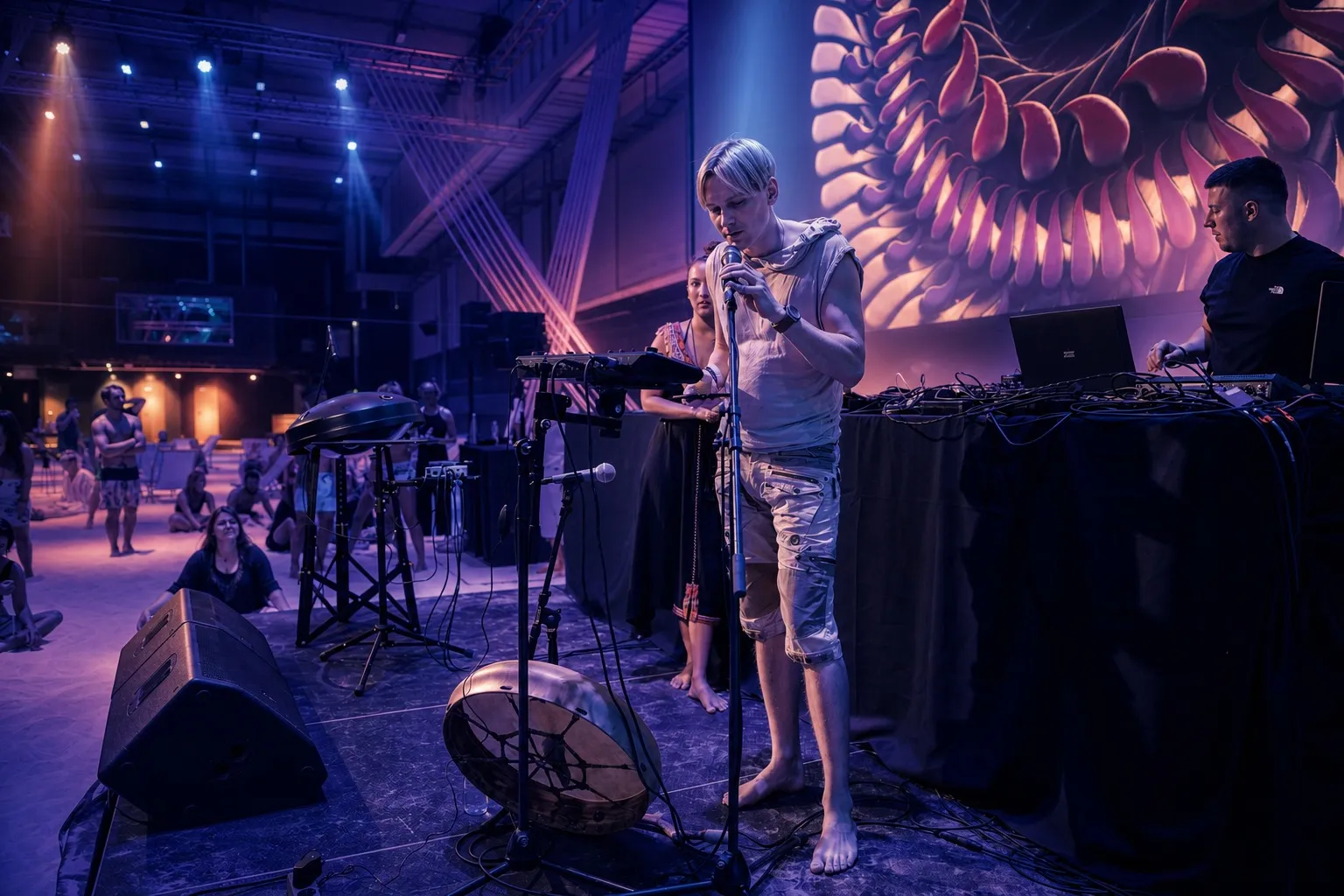
Nutrient Density, Immunity, And Resilience At Biohacker Summit 2020 Helsinki
At Biohacker Summit 2020 Helsinki, held in Helsinki, Finland, on Friday, 16 October 2020, Ester Reitsma delivered a concise and provocative case for one of nutrition’s oldest and most neglected foods. In her talk, Benefits Of Eating Organ Meat, Reitsma argued that organ meats such as liver and kidney remained among the most nutrient-dense foods available, offering a powerful mix of vitamins, minerals, enzymes, and cellular building blocks that modern diets often failed to provide.
A former commercial airline pilot turned biohacker and member of the Nordic Kings team, Reitsma framed organs not as culinary relics, but as functional superfoods capable of strengthening immunity, supporting energy production, and improving resilience.
A Forgotten Food With Extraordinary Density
Reitsma’s central claim was direct: organ meats were “the most nutrient-dense food on the planet.” It was a striking formulation, but one she backed with a broad nutritional inventory. Organs, she said, supplied bioavailable fat-soluble vitamins A, D, E, and K, nutrients many people now consumed too little of in contemporary diets.
Vitamin A, she noted, was especially important for immune function and brain health. Vitamin D, meanwhile, had become harder to obtain naturally in lifestyles increasingly detached from sunlight. Organ meats, in her telling, helped close those gaps with remarkable efficiency.
She also pointed to a wide spectrum of B vitamins, including folate and B12, both crucial to methylation and neurological health. In a landscape crowded with synthetic supplements and fortified foods, Reitsma presented organs as a whole-food source of compounds the body could readily use.
The Case For Bioavailable Minerals
The argument did not stop at vitamins. Reitsma emphasized the mineral profile of organ meats, highlighting heme iron as a superior source when compared with plant-based alternatives. Unlike the non-heme iron found in foods such as spinach or beetroot, heme iron is generally absorbed more effectively by the body.
She also cited selenium, magnesium, copper, and zinc, each playing an essential role in immune performance, metabolic balance, and repair. The implication was clear: organ meats were not merely dense in nutrients, but unusually efficient in delivering them.
That distinction mattered. In Reitsma’s framing, the value of a food was not just what it contained on paper, but how much of it the body could actually absorb and use.
Cellular Energy And Mitochondrial Support
One of the most compelling parts of the talk came when Reitsma shifted from traditional nutrition to cellular function. Organ meats, she said, contained choline, coenzymes, Q10, and carnitine, compounds closely linked to neurological and mitochondrial health.
“Through the power of Q10 and carnitine, organ meats support mitochondrial health so that on a cellular level you can get a lot more energy,” she said.
Choline, particularly abundant in liver, was presented as another critical nutrient, supporting nerve health and the production of acetylcholine, a neurotransmitter involved in memory, learning, and muscle control. In this account, organ meats were not simply about preventing deficiency. They were about fueling the deeper machinery of the body.
Nucleotides And The Renewal Of Life
Perhaps the most distinctive element of Reitsma’s presentation was her focus on nucleotides, a topic rarely heard in mainstream dietary discussions. She described these compounds as the building blocks of DNA and RNA, indispensable to cell renewal, protein synthesis, gut integrity, and energy production through the Krebs cycle.
“Nucleotides are the building blocks of our DNA and RNA, which are essential for gut integrity, energy production, and the constant renewal of our cells,” she said.
The point carried unusual force in the context of resilience. If the gut lining is constantly turning over, if tissues are perpetually repairing, and if the body depends on endless acts of cellular replacement, then a food rich in those raw materials begins to look less like an eccentric ancestral preference and more like a biological asset.
Reitsma noted that while nucleotides could also be found in foods such as shellfish, mushrooms, broccoli, tofu, and bone broth, organs remained a particularly concentrated source.
Immunity, Repair, And Systemic Resilience
The broader promise of organ meats, Reitsma suggested, lay in what happened when these nutritional pieces came together. The result, she said, was stronger immunity, faster physical repair, and greater energy, all of which contributed to resilience in the face of environmental and physiological stress.
“Vitamin A is especially important for the immune system and brain health, and organ meats are a vital source of the fat-soluble vitamins we need to thrive,” she said.
It was a message closely aligned with the spirit of Biohacker Summit 2020 Helsinki, where optimization, longevity, and adaptability formed the backdrop to many of the event’s conversations. Reitsma’s contribution stood out for its simplicity. Her proposal was not a futuristic device or a laboratory intervention, but a return to a dense, overlooked food once common in traditional diets.
Solving The Taste Problem With Freeze-Drying
Reitsma also acknowledged the obvious barrier. For many people, organ meats remained difficult to source, intimidating to prepare, or simply unappealing to eat. She spoke candidly about her own dislike of cooking and tasting them, a moment that gave the talk a practical realism.
The solution she presented was supplementation. Working with Nordic Kings, she described a process built around organs sourced from 100 percent grass-fed, organically certified animals raised without antibiotics. The organs were freeze-dried, then ground into capsules without fillers, additives, or lubricants.
“By freeze-drying organs, we preserve the natural enzymes that help with detoxification, ensuring the nutrients remain intact to support your body's vital functions,” she said.
This preservation method, she explained, protected heat-sensitive enzymes that might otherwise degrade during cooking, including enzymes in liver associated with detoxification support. The appeal of the product was not just convenience, but the promise of nutritional integrity.
An Old Food Reintroduced As A Modern Tool
There was something revealing in the way Reitsma positioned organ meats at Biohacker Summit 2020 Helsinki. In a culture obsessed with novelty, she made the case for something ancient. In a market saturated with engineered wellness solutions, she advocated a food that had once been ordinary.
“Organ meats are the most nutrient-dense food on the planet, providing the bioavailable vitamins and minerals that are essential for our health but often missing from the modern diet,” she said.
Her talk did not merely defend organ consumption. It reframed it as a practical strategy for immunity, energy, gut health, and repair, especially for those willing to bypass culinary resistance through freeze-dried supplementation.
In Helsinki that October, Ester Reitsma offered a message that felt both countercultural and elemental: resilience, in the end, might begin with the parts of the animal modern diets had taught people to ignore.
Frequently asked questions
Why does Ester Reitsma call organ meat nutrient-dense?
She called them the most nutrient-dense food on the planet, backing the claim with a broad inventory: bioavailable fat-soluble vitamins A, D, E and K, nutrients many people now consume too little of in contemporary diets.
What about minerals?
Reitsma emphasised heme iron as a superior source compared with plant-based alternatives, since unlike the non-heme iron in foods such as spinach or beetroot it is generally absorbed more effectively. She also cited selenium and magnesium among the mineral profile.
How do organ meats affect cellular energy?
This is where the talk moved from traditional nutrition into cellular function. Organs contain choline, coenzyme Q10 and carnitine, Reitsma said, compounds closely tied to mitochondrial work rather than to the vitamin content usually cited.
About the event
This recap is part of the Biohacker Summit 2020 Helsinki series, recorded in Helsinki on 16 and 17 October 2020. Read the summary of the whole event or join the next edition, HOLOLIFE Summit 2026 Amsterdam, on 14 and 15 November 2026.
In this story
Comments
Loading comments…