Biohacker Summit 2024 Helsinki
Biohack Your Longevity: The Discipline Of Living Longer
By Teemu Arina · · Updated
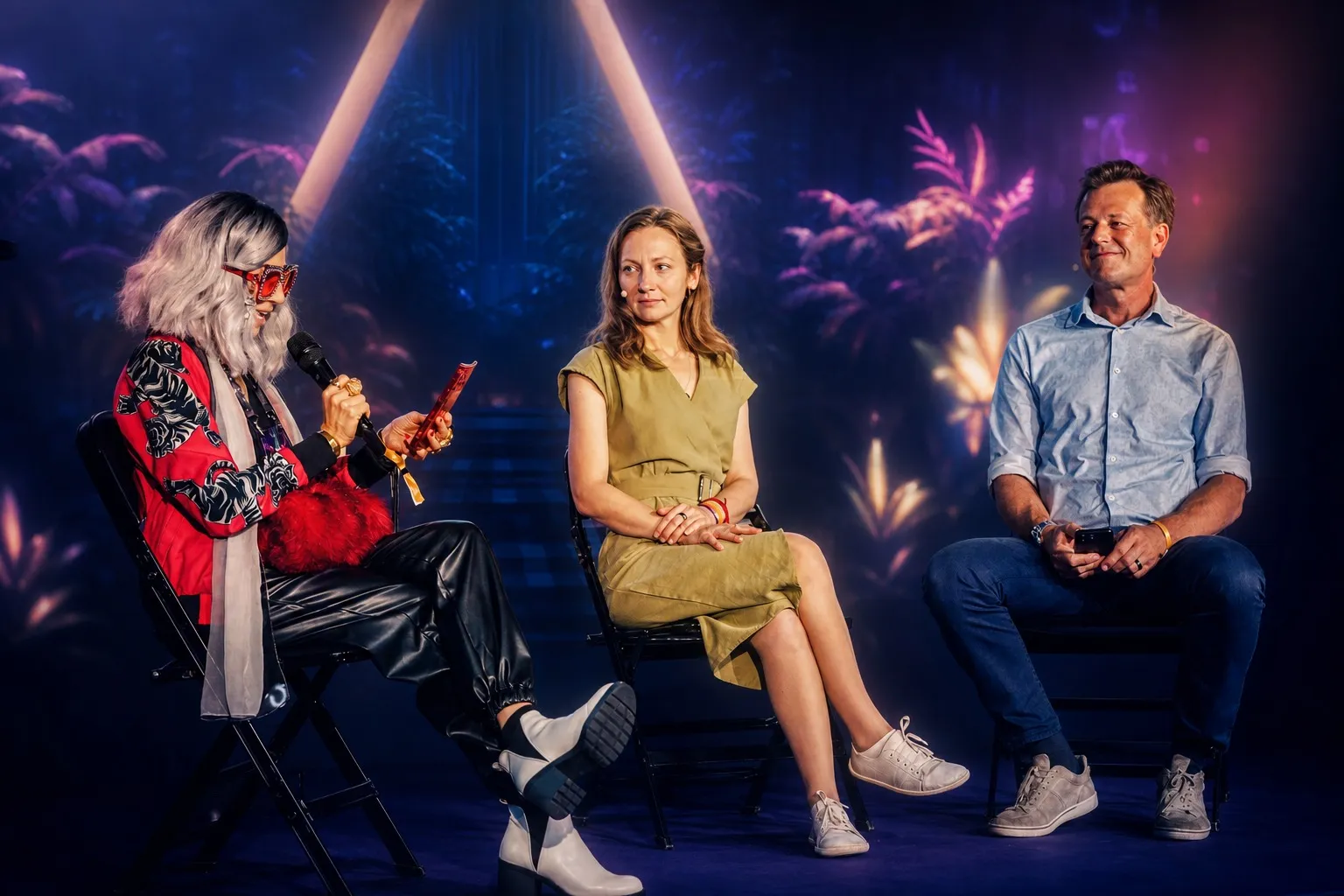
At Biohacker Summit In Helsinki, A Panel On Longevity Argued That The Future Of Health Was Not A Miracle Pill But A Relentless Practice Of Precision, Measurement And Follow-Through
At the Biohacker Summit in Helsinki, Finland, on Tuesday, 2 July 2024, the panel Biohack Your Longevity brought together Dr. Ingrid Lesdorf, Eduard de Wilde, and Samina Rind for a conversation that cut through the glitter of the wellness economy and landed somewhere more demanding, and more useful. Longevity, they suggested, was not a fantasy of immortality. It was a disciplined negotiation with biology.
Their message was clear in essence and radical in implication: genetics mattered, but not as destiny. The body could be read, influenced, trained and, in some cases, meaningfully redirected. Yet none of that happened without consistency.
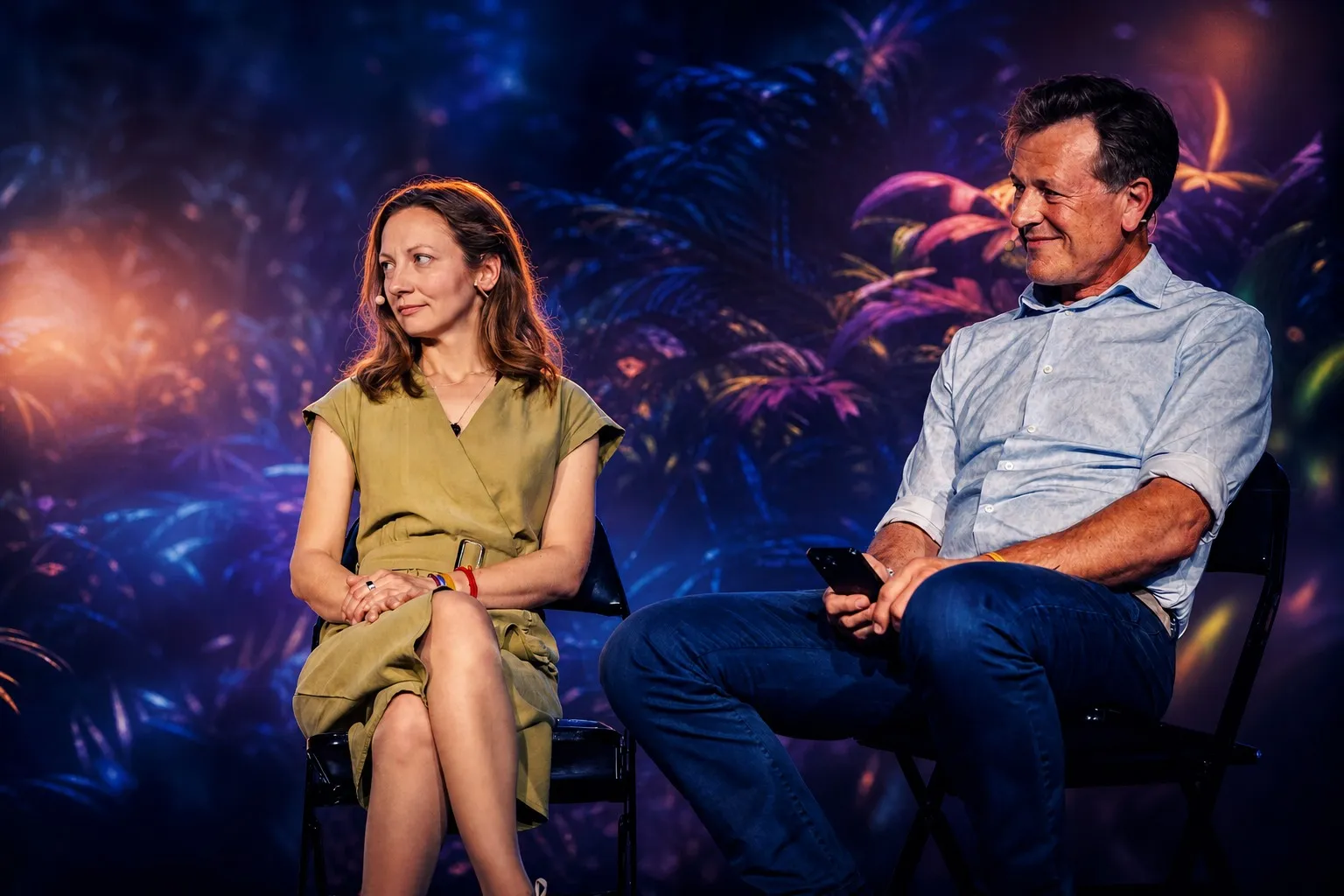
The Body Was Not Fate, But It Kept Score
Dr. Ingrid Lesdorf grounded the discussion in the interplay between genetics, epigenetics and the exposome, the latter being the sum of environmental influences, from food and air quality to stress and lifestyle. Genes, she explained, might load the gun, but environment often pulled the trigger.
Her point was neither abstract nor fashionable. It was clinical. A person predisposed to inflammation, she noted, could amplify or reduce that inflammatory state depending on diet, stress and exposure. The danger with many of the processes that shorten life, she warned, was precisely that they were painless until they were catastrophic.
“Testing, testing, testing and then retesting,” Lesdorf said. “If you are taking something, point number one, you need to know why you are taking it. And you need to have results. You need to have actual measurable results.”
It was one of the panel’s most important refrains. What ages the body often does not announce itself. Insulin resistance, oxidative stress, low-grade inflammation, cardiovascular risk, methylation problems, nutrient depletion. None of it necessarily hurts. That was exactly why diagnostics had become central to modern longevity practice.
Eduard de Wilde’s Case For The Unsexy Basics
If Lesdorf provided the biological framework, Eduard de Wilde offered the human case study. He recalled a long and painful struggle with anxiety and panic that followed a severe reaction to anti-malarial medication after a trip to Cameroon in 1999. Conventional interventions, he said, did little to restore his quality of life. What began to help were the interventions many people overlook because they are too ordinary to market well.
Diet. Exercise. Sleep. Meditation. Stress management.
De Wilde’s testimony gave the panel one of its strongest undercurrents: the future might be high-tech, but recovery often still began with fundamentals.
He had little patience for the fantasy that health could be outsourced to gadgets or capsules. “He believes in the immense possibility of self-healing of the body and of the mind, and has made it his mission to coach others in achieving constant energy, feeling younger, losing weight, and clearly looking better.” That belief ran through his remarks, but it came with a condition: repetition.
The problem, he implied, was not that people lacked access to information. It was that they struggled to stay with a protocol long enough for it to matter.
Samina Rind And The Rise Of Personalized Longevity
Samina Rind, introduced as an impact entrepreneur, investor, longevity futurist and brain tumor survivor, pushed the conversation toward the frontier where diagnostics, artificial intelligence and bio-individuality converged. Her interest lay not in one-size-fits-all wellness, but in systems capable of synthesising genetics, microbiome data, blood biomarkers and wearable outputs into practical recommendations.
“We need to make it easy to Edwards, point into your point, otherwise, we're not going to follow through. We've got busy lives. We're going to get overwhelmed. It just drops off.”
The phrasing was imperfect, but the point was exact. Human failure in health is often not intellectual. It is logistical. Complexity kills adherence.
Rind argued that advanced platforms such as Nu and InsideTracker represented a turning point, not because data itself was sacred, but because interpretation had become scalable. If longevity medicine was to move beyond elites and obsessives, it would have to become legible.
She also framed health more expansively than blood panels alone. Longevity, in her telling, was biochemical and psychological, molecular and emotional. Trauma, stress loops and mental habits were not side issues. They were inputs.
Psychedelics, Trauma And The Search For Biological Insight
In one of the panel’s more provocative turns, Rind spoke openly about psychedelics as a tool in her own longevity practice.
“One of my longevity hacks has been psychedelics. I think it's an incredible tool that we can use in our longevity journey to really supercharge our biology, our neurochemistry, to give us an aerial view about not only kind of what's not serving us, but also into the realms of our immediate, our intergenerational trauma that we have been historically suppressing in order to cope and survive.”
It was a striking intervention, not least because it repositioned longevity away from vanity and toward consciousness. The body, the panel suggested more than once, aged not only from poor nutrition or sedentary habits, but from chronic sympathetic activation, from the mind’s inability to leave states of alarm.
The Vagus Nerve As A Modern Obsession
That idea found its sharpest expression in the discussion of the vagus nerve, which emerged as a kind of central character in the panel’s map of health optimisation. Lesdorf argued that if she had to recommend one intervention category broadly, it would be anything that helped shift the body from chronic fight-or-flight into parasympathetic restoration.
This was the panel’s practical bridge between high science and everyday habit. Devices such as Apollo Neuro, Sensate, and Pulsetto were mentioned, but so were simpler methods: meditation, box breathing, prayer, singing, dancing, calm connection.
The point was not gadget worship. It was autonomic balance.
When the body remains trapped in sympathetic overdrive, digestion, hormonal regulation, immune resilience and repair all deteriorate. A stimulated, supported vagal system was presented not as a niche hack, but as a foundational lever for longevity.
Precision Medicine, With A Warning Against Blind Supplementation
The panel returned repeatedly to one caution: much of the modern supplement culture had become expensive guesswork. Peptides, nootropics, compounds and stacks might all hold promise, but without baseline testing and follow-up measurement, they risked becoming rituals without evidence.
This was where Lesdorf’s clarity cut through the noise. Supplements should not be taken because they were trending, she argued, but because they addressed a measured need and could be linked to an observable result.
That insistence on measurable outcomes gave the session a seriousness often absent from longevity evangelism. Biohacking, in the panel’s best formulation, was not collecting products. It was running disciplined experiments on oneself.
The New Frontier: Mitochondria, AI And Combination Therapies
The conversation also looked ahead. Rind highlighted emerging therapies aimed at the hallmarks of ageing, including mitochondria-focused interventions and AI-enabled health platforms that might make personalised care easier to design and sustain.
Among the more intriguing developments discussed was mitochondria replacement, framed as an avenue with profound implications for tissue rejuvenation and disease prevention. The panel also touched on combination drug protocols, especially those associated with Dr. Greg Fahy’s TRIM trial, which had generated interest for its use of metformin, human growth hormone and DHEA in efforts linked to immune regeneration and biological age reversal.
Even here, however, the panel did not surrender to techno-utopianism. Every breakthrough came with caveats. Monitoring mattered. Context mattered. Nutrient depletion mattered. Lesdorf specifically warned that long-term metformin use required attention to vitamin B12 levels.
A Community Trying To Translate Complexity
One of the most compelling moments arrived during audience questions, when a participant asked whether the field risked overcomplicating health itself. It was the right question for a room full of optimisation enthusiasts.
The answer, across the panel, was nuanced. More information was not the problem, they suggested. Misplaced focus was. The task now was translation: taking complex science and making it actionable for ordinary people before disease made action non-optional.
That may have been the deepest theme of the session at Biohacker Summit. Not longevity as luxury, but longevity as literacy.
The Last Word Was Surprisingly Simple
For all the futurism in the room, the panel’s final lesson was almost austere. Eat whole food. Move regularly. Sleep enough. Reduce stress. Test intelligently. Retest. Personalise. Stay consistent.
The seduction of biohacking has always been novelty. The truth, as Dr. Ingrid Lesdorf, Eduard de Wilde and Samina Rind made plain in Helsinki, was harsher and more hopeful. The body could change. But it changed through repetition, through evidence, through the quiet work of doing the right things often enough for biology to notice.
Longevity, in the end, was less a shortcut than a practice.
Frequently asked questions
What was the panel's core message about longevity?
That it is not a fantasy of immortality but a disciplined negotiation with biology. Dr. Ingrid Lesdorf, Eduard de Wilde and Samina Rind argued for precision, measurement and follow-through rather than a miracle pill.
How do genes and environment interact?
Lesdorf grounded the discussion in genetics, epigenetics and the exposome, the sum of environmental influences from food and air quality to stress and lifestyle. Genes might load the gun, she explained, but environment often pulls the trigger.
What did Eduard de Wilde contribute?
The human case study. He recalled a long struggle with anxiety and panic following a severe reaction to anti-malarial medication after a trip to Cameroon in 1999. Conventional interventions did little, and what began to help were the ordinary interventions most people overlook.
About the event
This recap is part of the Biohacker Summit 2024 Helsinki series, recorded in Helsinki on 2 and 3 July 2024. Read the summary of the whole event or join the next edition, HOLOLIFE Summit 2026 Amsterdam, on 14 and 15 November 2026.
In this story

Comments
Loading comments…