Biohacker Summit 2024 Helsinki
Beauty, Pain, And The New Gospel Of Self-Modification
By Teemu Arina · · Updated
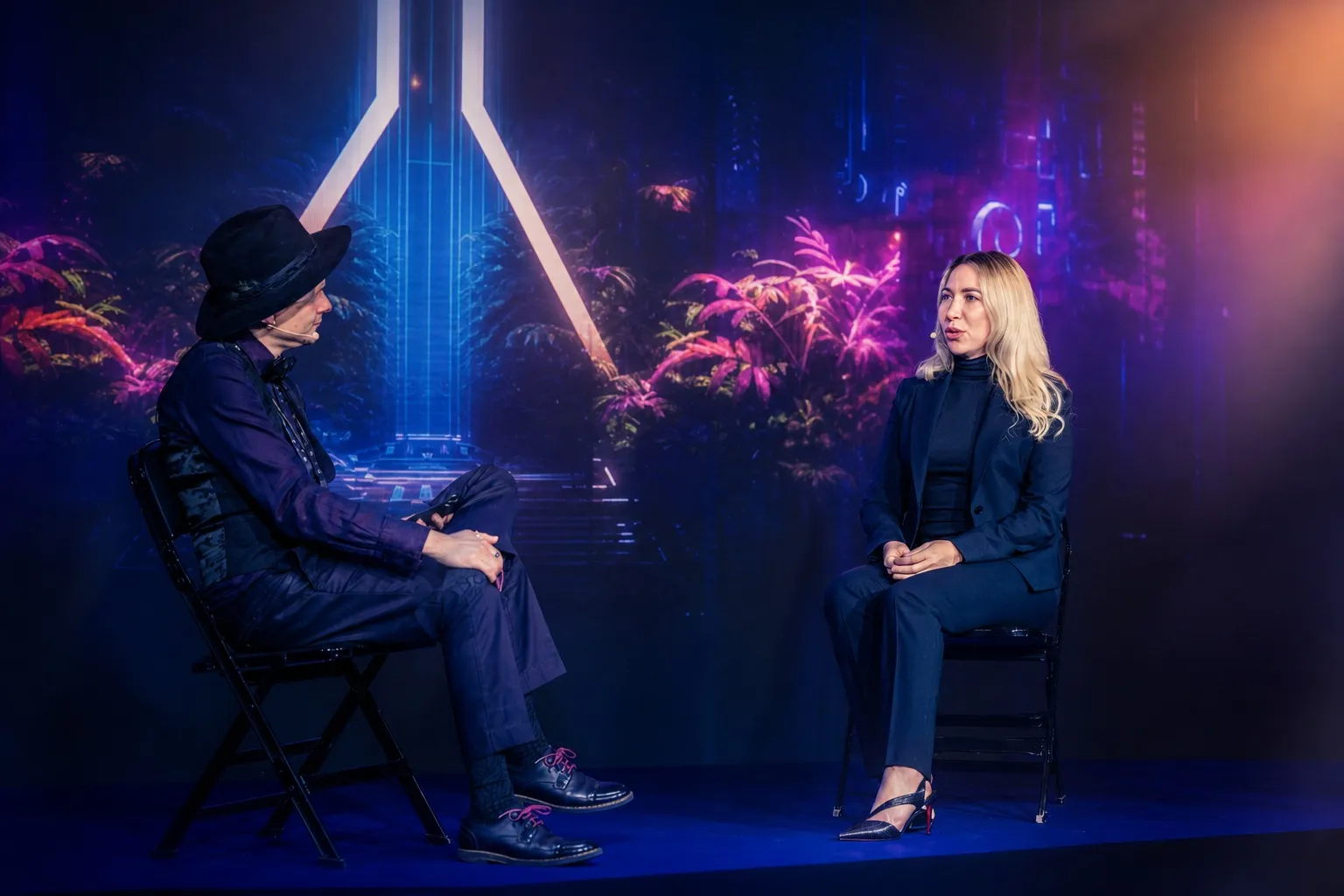
At The Biohacker Summit In Helsinki, Dr Kate Susse And Teemu Arina Explored A Beauty Culture That Sought To Move Beyond Surface Fixes And Into The Unsettled Terrain Of Trauma, Identity, And The Body
In a fireside chat titled Biohack Your Beauty at the Biohacker Summit in Helsinki, Finland, on Tuesday, 2 July 2024, Dr Kate Susse and Teemu Arina took a subject often dismissed as vain or cosmetic and treated it as something far stranger, and far more revealing.
Beauty, in this telling, was not merely about skin, symmetry, or the polished language of anti-ageing. It was a site of negotiation between medicine and desire, commerce and injury, technology and spirit. It was also, Susse argued, a place where old divisions no longer held: between biohackers and surgeons, between wellness and aesthetics, between what was considered authentic and what was condemned as artificial.
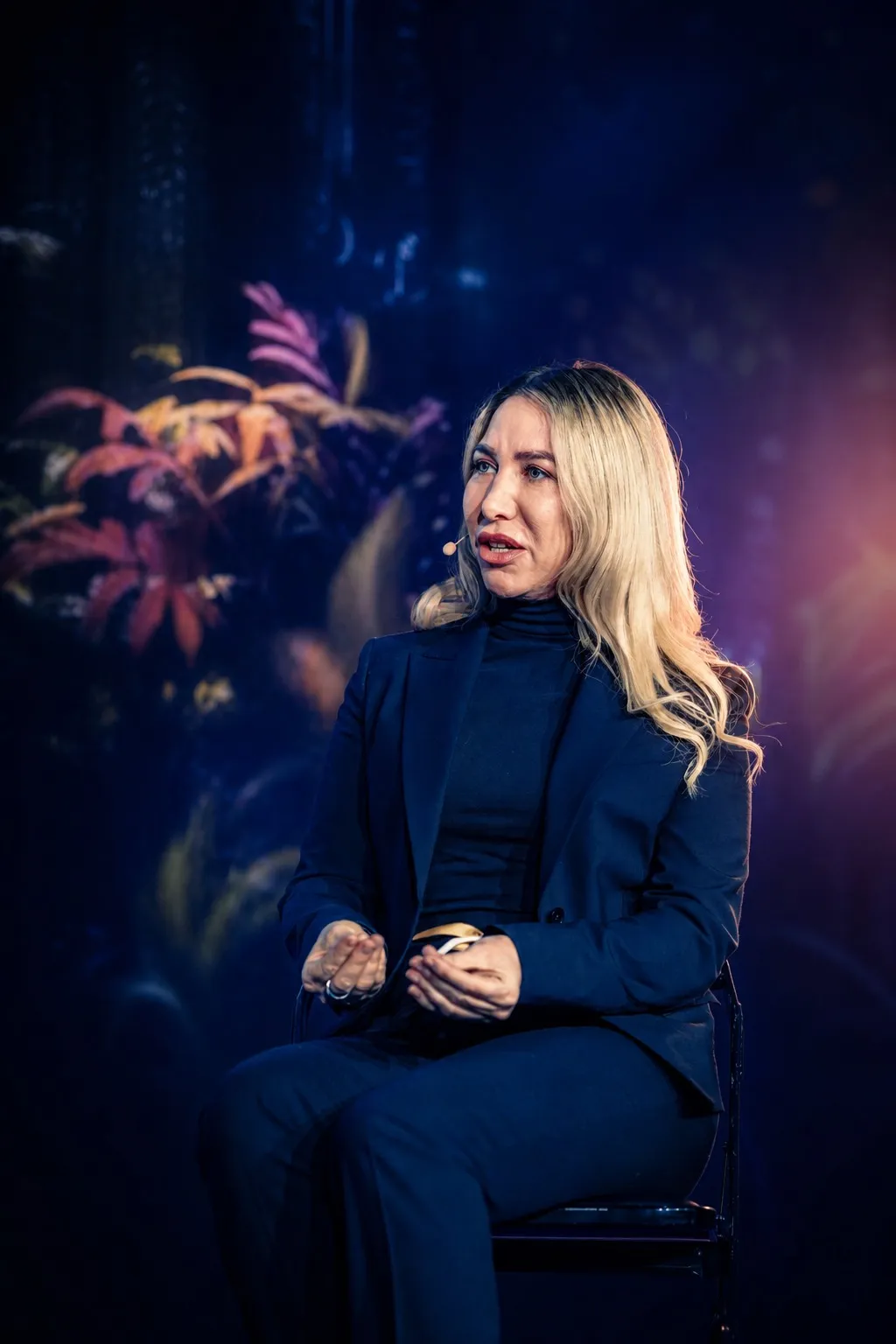
“Biohack your beauty event is kind of a new community that’s not just about holistic beauty,” Susse said, describing the intellectual premise behind her work. Her aim was to bring together “biohackers, integrative doctors, and allopathic aesthetics” into one conversation, one that had too often been split by professional silos and cultural prejudice.
Building Beauty From The Inside Out
What emerged in the conversation was less a sales pitch for enhancement than a critique of the beauty industry’s most familiar promises. Susse, founder of Biohack Your Beauty and Silicone Support Formula, spoke plainly about the insufficiency of surface-level correction.
“Building beauty from the inside out, because there’s so many beautiful people who are like absolute wrecks inside, not just physically, but also psychologically,” she said.
That line cut to the heart of the session. The old beauty economy, with its injectables, fillers, lasers and creams, had been designed largely to conceal. The newer ecosystem Susse described still included these tools, but sought to place them beside peptides, stem cells, IV therapies, detoxification support, gut health, blood-flow therapies, and other interventions drawn from integrative and functional medicine.
In Los Angeles, where Susse lives and works, she said these worlds had already begun to blur in practice, if not yet in philosophy. Patients wanted more than procedures. Clinics wanted to offer more than procedures. But the professions remained fragmented, with aesthetics conferences dominated by pharmaceutical interests and wellness spaces often reluctant to engage with cosmetic medicine at all.
The result, she suggested, was a gap between what consumers were already learning online and what practitioners were prepared to discuss in the same room.
The Illness That Rewrote The Script
Susse’s authority on the subject did not come from abstraction. It came from collapse.
She told Arina that after receiving breast implants at 28, she became severely ill within a year. The symptoms were devastating, but elusive. There were no obvious diagnostic markers, no quick medical resolution, no neat story to contain what had happened.
“I had detrimental plastic surgery outcomes that really forged this long pain process that allowed me to really find myself,” she said.
That sentence carried the paradox at the center of her work. The injury did not make her anti-beauty. It made her suspicious of simplistic beauty narratives. It also led her into the study of toxins, chronic illness, integrative medicine, and eventually the development of products aimed at supporting patients before and after aesthetic procedures.
Her supplement company, including its flagship Silicone Support Formula, was framed not as an endorsement of indiscriminate intervention, but as a bridge between clinical aesthetics and holistic care. Her point was practical as much as philosophical: many providers could perform a procedure, but far fewer knew how to respond when the body reacted badly.
The False Divide Between Authentic And Artificial
One of the most provocative ideas in the session was Susse’s challenge to the moral language surrounding cosmetic intervention. In mainstream discourse, surgical or injectable modification is often treated as evidence of fraudulence, as though changing the body necessarily means moving further away from the self.
Susse proposed almost the opposite.
For some people, she argued, body modification could become a route into self-confrontation rather than self-erasure. Not because the procedure itself was inherently liberating, but because it could expose a person to patterns of insecurity, stored emotion, pain, and embodiment that had long gone unexamined.
Her language drew on neuroscience, trauma theory, and spirituality at once. She spoke repeatedly of “neural integration”, of areas of the body where insecurity, shame, or emotional blockage might be “downregulated”, and of how an external intervention could bring awareness back to those places.
This was not a conventional medical argument. It was more exploratory than empirical, more interpretive than clinical. But it was also the most arresting part of the discussion: the suggestion that aesthetic change, even when born of dissatisfaction, might become an encounter with buried feeling rather than a retreat from it.
Pain As A Portal
If beauty is usually marketed as pleasure, Susse described it as something more difficult and more revealing. Pain, in her account, was not incidental. It could be diagnostic. It could even be transformative.
“I absolutely love any kind of massage. And the next thing you know, like you’re crying because you have something in your heart that you stored that gets released through that end of the pathway,” she said.
That same logic, she suggested, could apply to cosmetic intervention. A surgery, a correction, even a disappointing outcome might draw awareness to neglected emotional terrain. This did not romanticise suffering so much as insist that the body remembers what the mind tries to outrun.
The discussion moved, at moments, into metaphysical territory. Susse described her own journey from cellular and biochemical explanations of illness toward questions of emotion, energy, and spirituality. Beauty biohacking, for her, was no longer simply about looking better. It was about asking what the body was for.
“How can we use this 3D flesh as a vehicle to understand what is our ultimate soul?” she asked.
It was a line that, in another setting, might have sounded theatrical. Here, it served as the philosophical thesis of the session.
The Body As Culture, Signal, And Status
Arina widened the lens by placing beauty modification in a broader history of human enhancement. Across cultures, bodies have long been shaped, adorned, pierced, tattooed, extended, constrained, or technologically augmented to communicate identity, status, sensuality, belonging, and aspiration.
Susse embraced that framing. She spoke of indigenous adornment practices, of status symbols embedded in beauty rituals, and of the way modern aesthetics still functioned as social signalling. In Southern California, she noted, one expression of this is what some call the “rich face”, a look that quietly announces wealth through expensive intervention.
What mattered in this exchange was the refusal to pretend that beauty standards are natural, neutral, or purely individual. They are cultural scripts, and often hierarchical ones. To alter the body is not new. What changes are the tools, the prices, and the stories people tell about why they are doing it.
Beyond Aesthetics, Toward Enhancement
The conversation also crossed into more traditional biohacking territory, where enhancement is functional rather than cosmetic. Arina raised examples from transhumanist circles: magnets implanted in fingertips to sense electromagnetic fields, sensors that create bodily awareness of geographic north, and devices imagined to expand human perception beyond its default range.
Susse’s response was cautious. Having experienced severe illness linked to implants, she was wary of manufactured materials placed inside the body, especially given concerns about chemical exposure, heavy metals, and poor-quality sourcing. If functionality could be achieved naturally, she suggested, that path was preferable.
Yet she did not reject the impulse behind enhancement. Instead, she folded it back into her larger worldview: the body can adapt, pathways can be built, capacities can emerge through challenge and pressure, and not every expansion of ability needs to arrive through a device.
The Risks In The Wild West Of Wellness
The session’s more visionary claims were tempered by flashes of realism. Arina pointed to the low barriers, particularly in parts of the US market, for offering peptides, injections, and IV therapies. He noted concerns about regulation, practitioner education, and supply-chain quality. Susse did not dispute the dangers.
The subtext was unavoidable. The same frontier mentality that made experimentation exciting also made it risky. In an economy where beauty, performance, and longevity were increasingly bundled together, the line between innovation and opportunism could become dangerously thin.
This was especially true when interventions bypassed the body’s usual safeguards, or when imported compounds were sold with more confidence than evidence. Both speakers hinted at a modern wellness culture moving faster than its own ethical infrastructure.
The Practical Biohacks She Favoured
For all the philosophy, Susse did offer practical takeaways. Among the interventions she said she was most interested in were transdermal glutathione spray, particularly for those with reduced detoxification capacity; EECP, or Enhanced External Counterpulsation, for blood-flow support; and selected peptides for concerns such as hair growth, skin resilience, gut support, and inflammatory regulation.
But even here, her emphasis was not on universal prescriptions. It was on discernment. She repeatedly returned to the idea that interventions should be approached with internal alignment rather than panic, trend-following, or blind faith.
A Beauty Ethic For The Age Of Biohacking
What made Biohack Your Beauty memorable at the Biohacker Summit was not that it glorified intervention. It was that it refused easy categories. Beauty was not dismissed as shallow, nor celebrated as salvation. Surgery was not automatically false. Holism was not automatically pure. The body was treated as biological, social, emotional, and symbolic all at once.
In Susse’s account, the deepest question was not whether people should modify themselves. Human beings always had, and always would. The deeper question was what they were seeking when they did.
In Helsinki, in a room shaped by longevity culture and human-optimisation rhetoric, that question landed with unusual force. Not because it resolved the contradictions of beauty, but because it exposed them. And in doing so, it suggested that the future of aesthetics might depend less on perfecting appearances than on understanding why they matter so much in the first place.
Frequently asked questions
What does building beauty from the inside out mean?
Dr Kate Susse, founder of Biohack Your Beauty, used the phrase to criticise surface-level correction, pointing out how many outwardly beautiful people are struggling underneath, physically and psychologically. The conversation treated beauty as a negotiation between self and body rather than a cosmetic question.
What happened after her breast implants?
Susse told Teemu Arina that after receiving implants at 28 she became severely ill within a year. The symptoms were devastating but elusive, with no obvious diagnostic markers and no quick medical resolution, and that collapse became the source of her authority on the subject.
Is cosmetic modification inauthentic?
Susse challenged that framing. Mainstream discourse often treats surgical or injectable modification as evidence of fraudulence, as though changing the body moves a person further from the self. She proposed almost the opposite, and described pain as diagnostic rather than incidental.
About the event
This recap is part of the Biohacker Summit 2024 Helsinki series, recorded in Helsinki on 2 and 3 July 2024. Read the summary of the whole event or join the next edition, HOLOLIFE Summit 2026 Amsterdam, on 14 and 15 November 2026.
In this story

Comments
Loading comments…