News
Anti Inflammatory Lifestyle: Habits That Go Beyond Food
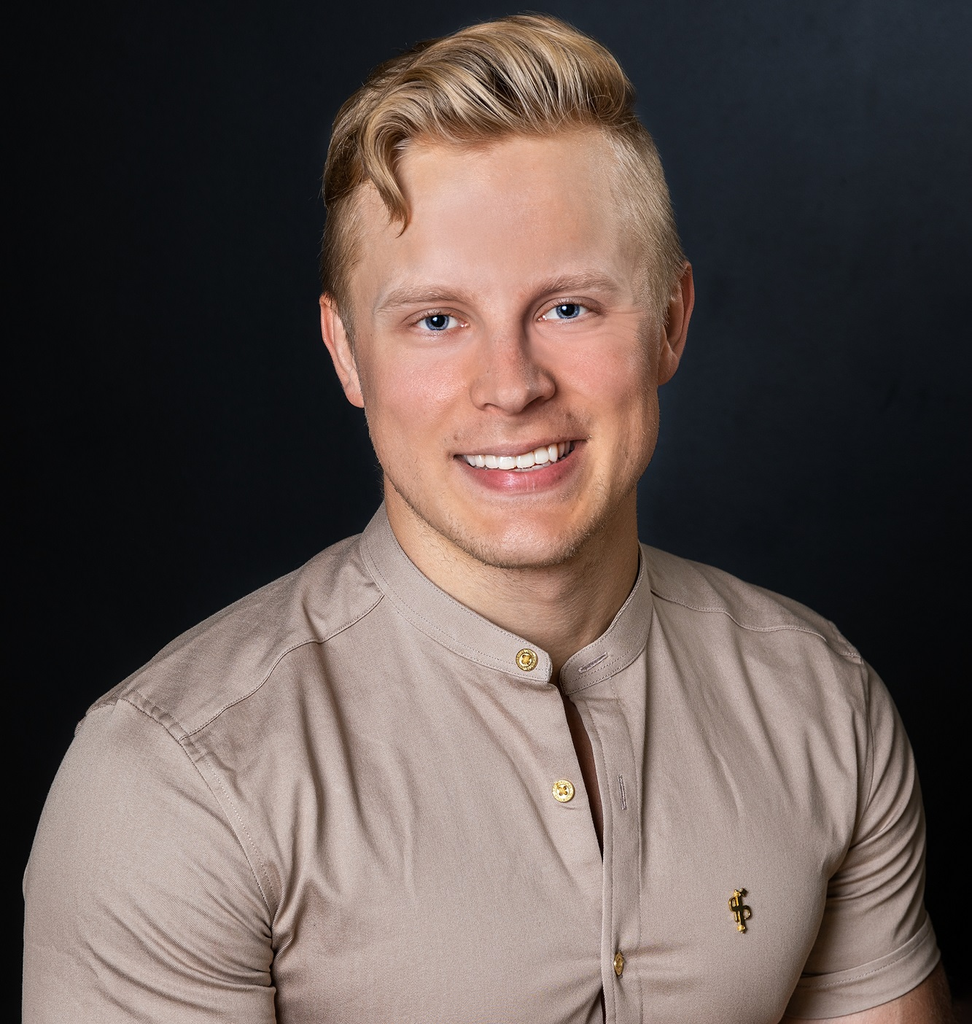
By Teemu Arina ·

An anti inflammatory lifestyle consists of repeatable choices, primarily daily eating patterns and regular movement. Supplements may have a role, but their effects and quality vary, while practices such as face yoga are personal-care routines rather than ways to reduce systemic inflammation.
A measured approach involves building habits first, assessing supplements carefully, and avoiding wellness claims that are not proven to affect inflammatory illness.
What an anti inflammatory lifestyle means in practice
Inflammation is a body response to injury. An anti inflammatory lifestyle supports general health rather than treating a diagnosed condition.
Evidence supports specific outcomes rather than a single universal plan. An umbrella review found that exercise benefited functional status in people with rheumatoid arthritis and spondyloarthritis with moderate certainty. The umbrella review of lifestyle and integrative therapies in inflammatory arthritis suggests matching claims to the specific outcomes studied. A routine might support mobility or sleep without being shown to treat chronic inflammation.
Start with food habits, not a list of superfoods
Focus on sustainable eating patterns instead of hunting for superfoods. In his talk "The New Science of Supplements" at HOLOLIFE Summit 2025 Tokyo, Siim Land discussed omega-3 fatty acids and turmeric. He noted that omega-3 supplementation depends on a person's usual diet and status.

Siim Land at HOLOLIFE Summit 2025 Tokyo
“Omega-3 fatty acids reduce risks of cardiovascular events and mortality, improve inflammation, endothelial function, blood sugar, and insulin sensitivity.”
— Siim Land, HOLOLIFE Summit 2025 Tokyo
Land also noted turmeric's potential effects on joint pain and metabolic measures. The review of curcumin’s anti-inflammatory action and use in lifestyle-related diseases notes that curcumin has low bioavailability, which creates a gap between a promising ingredient and a dependable result. Regarding dietary patterns, the fertility-focused evidence review of anti-inflammatory diets associates Mediterranean-style patterns with fertility-related outcomes, though this is not a universal guarantee for inflammatory disease. For more detail, see this practical, evidence-led overview of anti-inflammatory eating.
How to assess supplements without overpromising

Evaluating supplement quality involves looking for clear evidence and third-party verification.
A supplement should address a clear goal, such as filling a dietary gap or responding to a measured status. Land discussed glycine and N-acetylcysteine (NAC) as precursors to glutathione, particularly for older adults.
“Glycine and NAC are precursors to glutathione, a powerful antioxidant, reducing inflammation, improving physical function, cognition, and insulin resistance, especially effective in the elderly.”
— Siim Land, HOLOLIFE Summit 2025 Tokyo
Because supplements are not consistently regulated, Land advised checking for independent testing and a certificate of analysis:
“The problem with supplements is the lack of regulation; eighty percent of investigated supplements didn't contain the ingredients listed on the label, so always look for third-party testing and cert…”
— Siim Land, HOLOLIFE Summit 2025 Tokyo
Supplements are not replacements for prescribed care. People managing medical conditions should consult a health professional before use.
Healthy routines that support wellbeing as we age
Regular movement has a clearer evidence base than many broader claims. The umbrella review found moderate-certainty evidence that exercise benefited functional status in rheumatoid arthritis and spondyloarthritis. A routine is most useful if it is repeatable and adaptable, such as a regular walk or movement class.
Stress, sleep, and hydration also affect ageing. In her talk "Natural Botox? How Face Yoga & Nutrition Keep You Youthful" at HOLOLIFE Summit 2025 Europe, Mai-Liis Kivistik discussed stress, poor sleep, diet, and hydration regarding visible signs of ageing. These are conversations about appearance and personal habits, not evidence that these factors treat inflammatory disease.
Where face yoga and botanical skincare fit
Kivistik described face yoga as a way to work facial muscles, release tension, and support circulation.

Mai-Liis Kivistik at HOLOLIFE Summit 2025 Europe
“Face yoga is like a gym for your face — small daily habits make change, not occasional spa visits.”
— Mai-Liis Kivistik, HOLOLIFE Summit 2025 Europe
The talk does not establish that face yoga reduces systemic inflammation. Kivistik also discussed botanical skincare, including yarrow, meadowsweet, lady’s mantle, and horsetail, describing yarrow as anti-inflammatory in a skincare context. "Natural" does not guarantee suitability for all skin types. For related ideas, see this article on Japanese approaches to anti-ageing.
A simple way to put anti inflammatory lifestyle changes into practice
Start with one repeatable habit:
- Choose a food routine to improve. Pick an achievable meal or shopping habit.
- Make movement regular and adaptable. Exercise can improve function, but activity should suit the individual.
- Set a clear purpose before buying a supplement. Check if the evidence matches your goal and look for independent quality testing.
- Keep skincare and face yoga in their lane. These are personal-care routines, not treatments for systemic inflammation.
- Review what is sustainable. A habit that fits real life is easier to maintain.
For more perspectives, see HOLOLIFE Summit 2026 Amsterdam, 14th–15th November.
FAQ
What is an anti inflammatory lifestyle?
It is a way of organising everyday habits around health. The evidence supports specific outcomes like improved function from exercise, but does not establish one universal plan for inflammation.
Which everyday habits can support a healthy inflammatory response?
Regular movement can improve functional status in certain conditions. Dietary patterns may be relevant in specific contexts, such as fertility.
Can supplements reduce inflammation?
Some ingredients like omega-3s and turmeric have been studied for inflammatory effects. Effectiveness depends on product quality and individual needs, and they are not replacements for medical care.
Does face yoga help with inflammation?
Face yoga is a facial-muscle and personal-care practice. There is no evidence in the supplied material that it treats systemic inflammation.
How can someone start making anti-inflammatory lifestyle changes?
Start with one realistic food or movement habit. For supplements, identify a clear goal and check for third-party testing and professional medical guidance.
Sources
- The effectiveness and safety of lifestyle medicine and integrative therapies in inflammatory arthritis: an umbrella review
- Anti-Inflammatory Diets in Fertility: An Evidence Review
- Anti-inflammatory Action of Curcumin and Its Use in the Treatment of Lifestyle-related Diseases
- Talk: "The New Science of Supplements", Siim Land, HOLOLIFE Summit 2025 Tokyo (speaker page)
- Talk: "Natural Botox? How Face Yoga & Nutrition Keep You Youthful", Mai-Liis Kivistik, HOLOLIFE Summit 2025 Europe (speaker page)
This article is for general information and is not medical advice.
In this story

Comments
Loading comments…