News
The Neuro System: Brain Mapping, Microdosing and Sauna
By Teemu Arina ·

The neuro system is an informal term for the brain and wider networks involved in nervous-system function. Brain mapping, microdosing and Finnish sauna explore neural connections, substances, mental performance, heat, ritual and relaxation.
Talks at Biohacker Summit Helsinki in 2016 and 2019 offer different perspectives, not equivalent evidence. Research ambitions, speaker proposals and personal experience should be distinguished.
What people mean by the neuro system
"Neuro system" is not a precise anatomical term. It often means the brain and connected networks; the nervous system comprises the brain and spinal cord, plus peripheral nerves linking them to the body.
These parts have distinct roles but do not operate in isolation. A 2024 review of central and peripheral nervous-system links describes shared features, including neuronal function, neuroimmune and neurovascular interactions, and processes involved in plasticity and degeneration. It focuses on links relevant to metabolic conditions such as obesity and diabetes.
A 2020 rat study of learning and the neuromuscular junction reports that spinal activity helped bring about a learned response in its model, while changes where nerve meets muscle helped maintain it. This does not establish how human performance generally works, but shows that "brain function" can involve more than the brain.
At Biohacker Summit Helsinki 2016, Russell Hanson discussed mapping brain connections and interacting with neural signals. In 2019, Fabian Foelsch spoke about small amounts of caffeine, nicotine and melatonin to influence alertness or sleep; Tommi Ullgrén and Teemu Arina presented Finnish sauna through tradition, heat and atmosphere. Their approaches have different aims and questions about what can be measured.
Brain mapping: seeing connections without damaging tissue
A connectome is a map of neural connections, often described as the brain’s wiring diagram. At Biohacker Summit Helsinki 2016, Hanson discussed detailed mapping without slicing tissue, including nano-CT and near-infrared imaging as possible ways to inspect the brain without destroying it.
He also discussed neural modems to translate brain signals into digital information and support brain-machine interfaces, potentially enabling communication and interaction with external devices. These were technological possibilities, not routine tools for patients or consumers.
Our goal with connectome imaging is to bring the price down to about the same as the human genome, which is about one thousand US dollars.
— Russell Hanson, Biohacker Summit 2016
That ambition describes a goal; a complete, affordable map is not yet available. A map cannot automatically explain a thought, memory or behaviour: it represents the brain at a particular level of detail and point in time, and may not capture every aspect of a changing brain.
When considering a mapping method, ask whether it measures tissue structure, neural activity or a model inferred from data; whether it is a snapshot or records change; and whether it is a research method, clinical intervention or future possibility. These distinctions matter when technical descriptions are paired with claims about what a device might do.
Hanson considered interfaces that record or stimulate neural activity, including helping people with injuries interact with their surroundings. This raises questions about who could benefit, what information might be collected and who would control it. The talk signals the field’s direction, not proof that a complete brain map can explain or improve an individual’s abilities.
Microdosing caffeine, nicotine and melatonin: what the talk explores
At Biohacker Summit Helsinki 2019, Foelsch described microdosing as taking a small amount of a substance in pursuit of benefit while seeking to limit unwanted effects. He framed it as a trade-off, not a guarantee of effectiveness or safety.
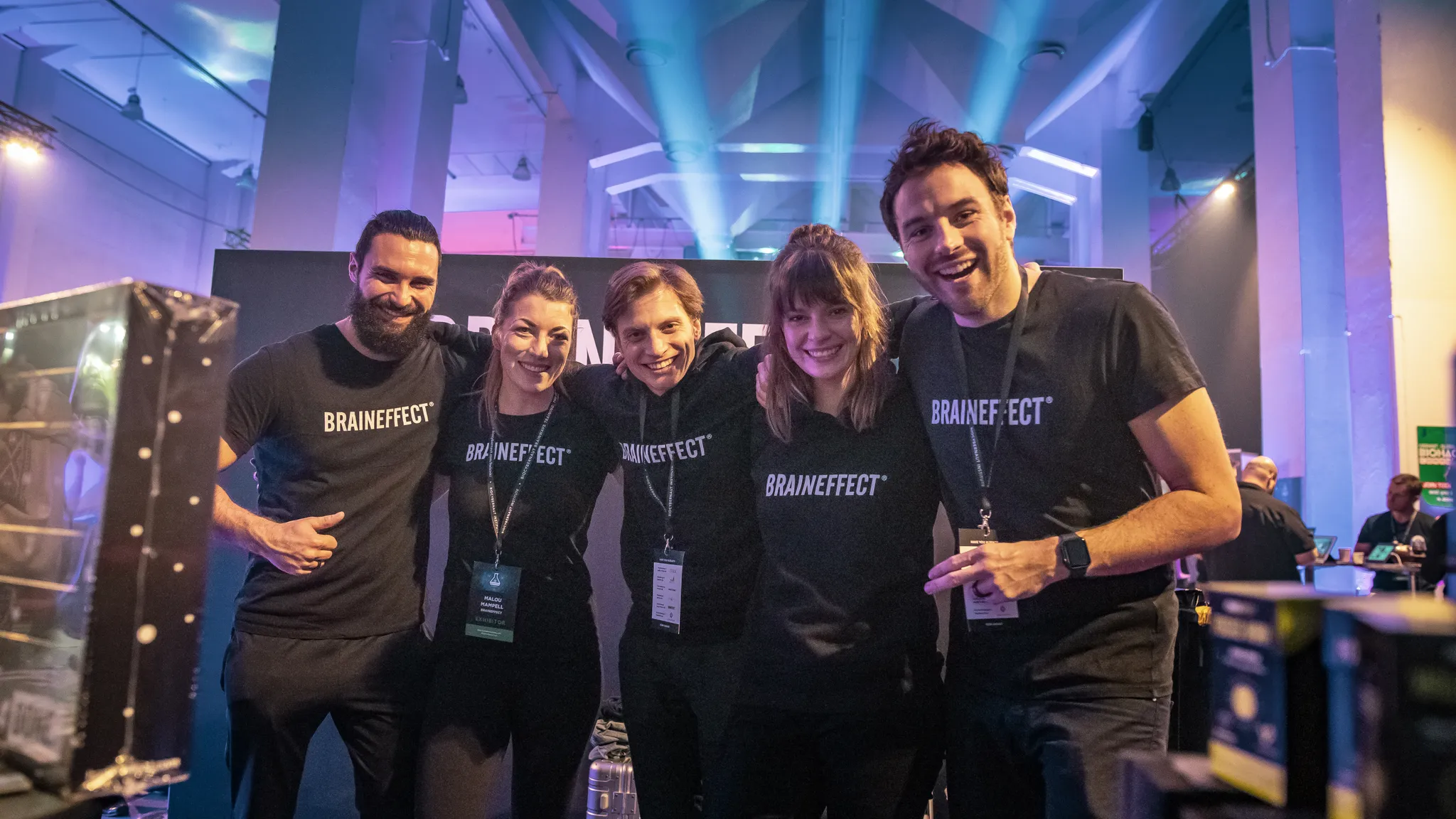
Fabian Foelsch at Biohacker Summit 2019 Helsinki
Microdosing is the practice of taking a substance to create beneficial effects while reducing risks and side effects. It is about a trade-off between benefit and risk to provide the edge we need in this new society.
— Fabian Foelsch, Biohacker Summit 2019
Foelsch proposed spreading caffeine in smaller amounts to mirror the build-up of adenosine, which he linked to avoiding jitters and a caffeine crash. He discussed nicotine in relation to memory and motor coordination, and melatonin in relation to sleep timing and the body’s natural rhythm. These were the speaker’s claims, not established evidence of reliable performance or sleep improvements.
The substances have different purposes and risks. Foelsch described caffeine as a way to influence alertness, nicotine as having potential performance effects as well as addiction risk, and melatonin as relevant to sleep. Calling all three "microdosing" does not make them equivalent or one strategy applicable to another.
Foelsch also said nutrition and routines can influence mental performance, and caffeine timing may vary between people. Define the aim, steadier alertness, better sleep or a change in a specific task, before treating a small amount as a shortcut; otherwise, it is difficult to know whether anything changed.
The session is not an individual assessment or set of instructions. A small amount is not automatically harmless, and personal circumstances affect suitability. Anyone considering a substance-based approach should account for those circumstances and seek qualified advice where appropriate.
Finnish sauna and the body’s response to heat
At Biohacker Summit Helsinki 2019, Ullgrén and Arina presented Finnish sauna through its traditions and atmosphere. They described löyly, steam released when water is thrown on heated stones, using birch branches, and moving between a hot sauna and cold water. These practices were presented culturally, not as a standard brain-performance protocol.
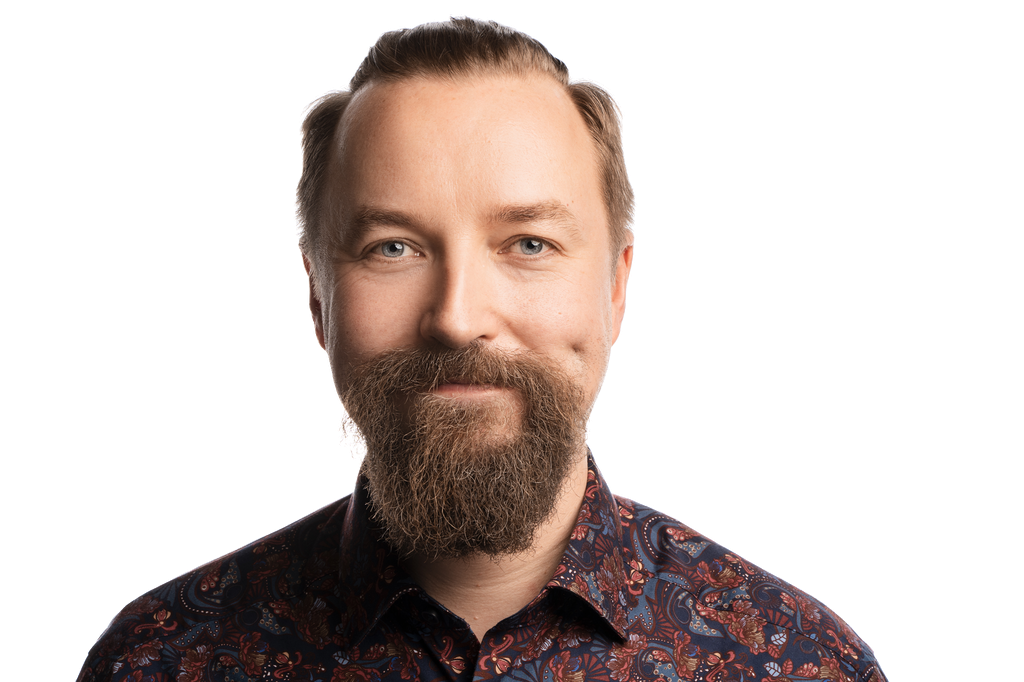
Tommi Ullgrén
What is a good sauna experience? It is not about specific timing or temperature; it is about feeling what is good for you. What is a good sauna experience for you might be different for someone else.
— Tommi Ullgrén and Teemu Arina, Biohacker Summit 2019
The speakers described sauna as a quiet space for relaxation and inward attention. One called it a "temple" where people could set aside work and politics. This conveys the practice’s meaning in their account, but does not show a measured change in brain function or treatment of a nervous-system condition. Sauna may be valued as ritual or found relaxing, but that alone cannot establish neurological benefit. Their emphasis on comfort cautions against assuming one timing or temperature suits everyone.
What these approaches can and cannot tell us about brain performance
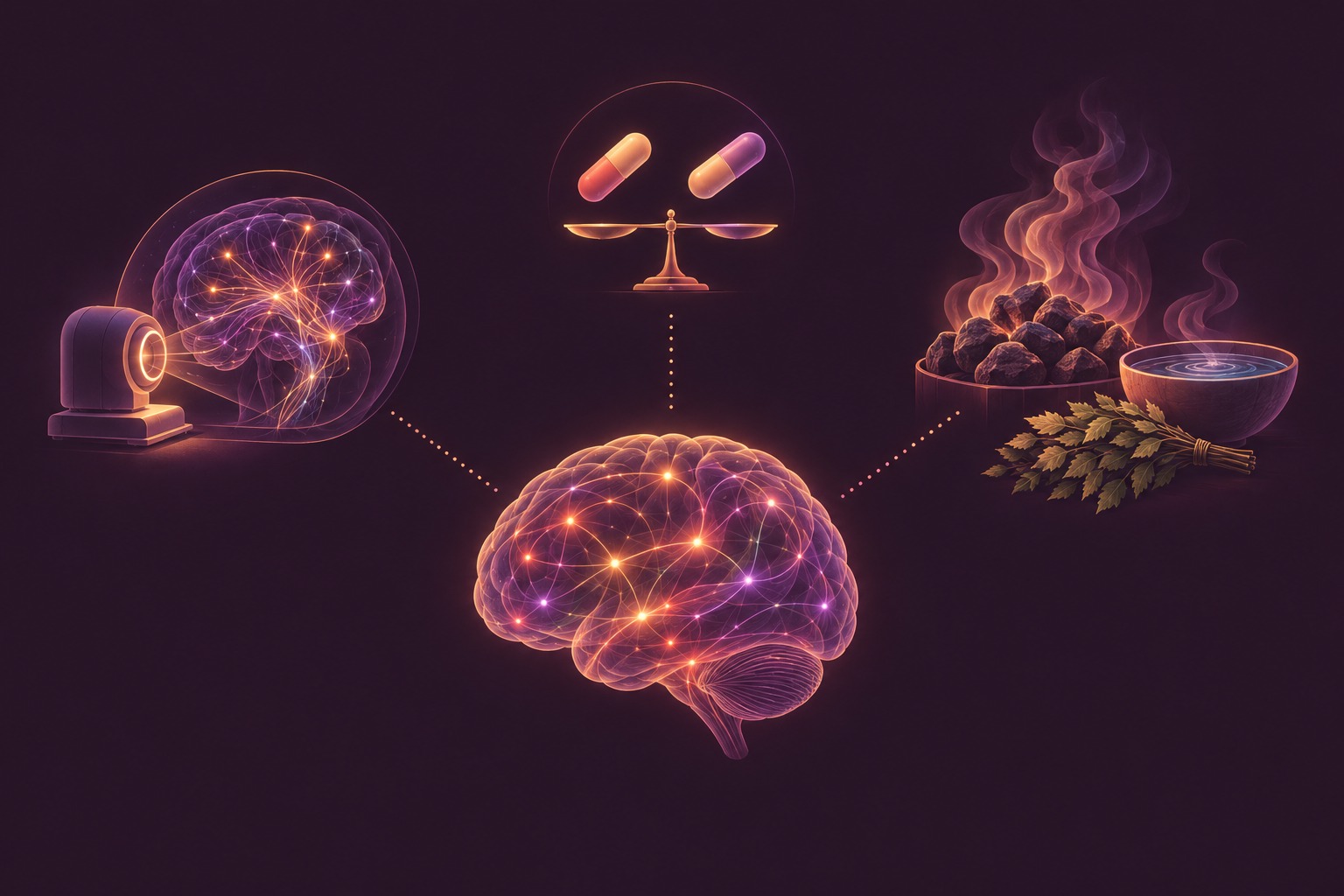
Three distinct approaches sit alongside a brain, without being shown as interchangeable.
The sessions represent three kinds of inquiry: connectome imaging maps neural connections and may interact with neural signals; microdosing proposes influencing a state through substances; sauna is a traditional heat practice described through ritual and felt experience.
To assess an approach, define "brain performance": attention, memory, sleep, movement or calm? Is the outcome measured with a task or based on personal impression, and is the expected effect immediate or sustained? A clear question prevents an interesting technology or persuasive account from standing in for evidence of a particular benefit.
Hanson’s Biohacker Summit Helsinki 2016 talk concerned mapping and modelling; it does not show that a complete connectome can explain an individual’s abilities. Foelsch’s Biohacker Summit Helsinki 2019 talk described intended effects and trade-offs, not reliable results across people. Ullgrén and Arina’s Biohacker Summit Helsinki 2019 session described a traditional practice and possible experience, not evidence that sauna improves cognition.
The available papers provide context, but do not test these approaches. The review describes shared features of central and peripheral nervous systems, not effects of connectome imaging, microdosing or sauna. The rat study concerns a particular learning response and nerve-muscle connection, not sauna or substances. These distinctions allow curiosity without confusing possibility, experience and evidence.
The HOLOLIFE Summit 2026 in Amsterdam takes place on 14th–15th November 2026.
Practical questions to ask before trying a brain-focused intervention
Start with the outcome. "I want to perform better" is too broad; a more useful aim is to understand a pattern in attention, sleep or energy, then decide how to evaluate a change.
Ask what kind of claim is being made: technology measuring brain activity, a substance intended to influence a mental state, or a practice people find relaxing? Ask what has been measured and what remains a proposal or interpretation: what a connectome image reveals, what benefit and risk microdosing weighs, and whether sauna claims concern cultural meaning, comfort or brain outcomes.
Consider the whole context. A substance may affect sleep or be unsuitable given personal circumstances; heat may not suit everyone. The talks provide neither individual screening nor tailored instructions, so a general presentation is not a substitute for advice that considers someone’s health.
Decide how success would be recognised: a measurable change in a task, a consistent sleep pattern or simply a more enjoyable sauna experience, depending on the aim. Without a clear way to evaluate a result, expectation can be mistaken for an effect.
Finally, ask whether the approach matches the problem. A brain map may help answer questions about structure or connectivity, but is not a personal performance plan. A substance discussed for alertness is not automatically a solution to poor sleep. A relaxing ritual need not be presented as neurological treatment to be meaningful.
FAQ
Is the neuro system the same as the nervous system?
"Neuro system" is informal; "nervous system" is the standard term for the brain, spinal cord and nerves. A review of their links describes distinct features and shared mechanisms in the central and peripheral nervous systems.
What is a connectome, and how can researchers map one?
A connectome is a map of neural connections, often called the brain’s wiring diagram. At Biohacker Summit Helsinki 2016, Russell Hanson discussed non-destructive approaches including nano-CT and near-infrared imaging. A map describes connections but does not by itself explain brain function.
What does microdosing mean in the context of caffeine, nicotine and melatonin?
In his Biohacker Summit Helsinki 2019 talk, Fabian Foelsch used microdosing to mean taking small amounts in pursuit of benefit while seeking to limit unwanted effects. He discussed caffeine and alertness, nicotine and aspects of performance, and melatonin and sleep; these were the speaker’s ideas, not individual medical guidance or proof of consistent benefit.
Can sauna affect the brain or nervous system?
Ullgrén and Arina described sauna as relaxing and inward-focused, but their Biohacker Summit Helsinki 2019 talk does not establish a measured brain effect or treatment for a nervous-system condition. Personal experience differs from a demonstrated neurological outcome; the speakers said a good experience is individual, not defined by universal timing or temperature.
Sources
- Paper: One Nervous System: Critical Links Between Central and Peripheral Nervous System Health and Implications for Obesity and Diabetes
- Paper: Evidence That the Central Nervous System Can Induce a Modification at the Neuromuscular Junction That Contributes to the Maintenance of a Behavioral Response
- Talk: "Neural Modems And Non-destructive Connectomes", Russell Hanson, Biohacker Summit 2016 Helsinki.
- Talk: "Brain Society: Microdosing from Nicotine to Melatonin", Fabian Foelsch, Biohacker Summit 2019 Helsinki.
- Talk: "Traditional Finnish Sauna", Tommi Ullgrén and Teemu Arina, Biohacker Summit 2019 Helsinki.
In this story

Comments
Loading comments…