Biohacker Summit 2024 Helsinki
Beyond breathing: How intermittent oxygen therapy could transform health and recovery
By Teemu Arina · · Updated
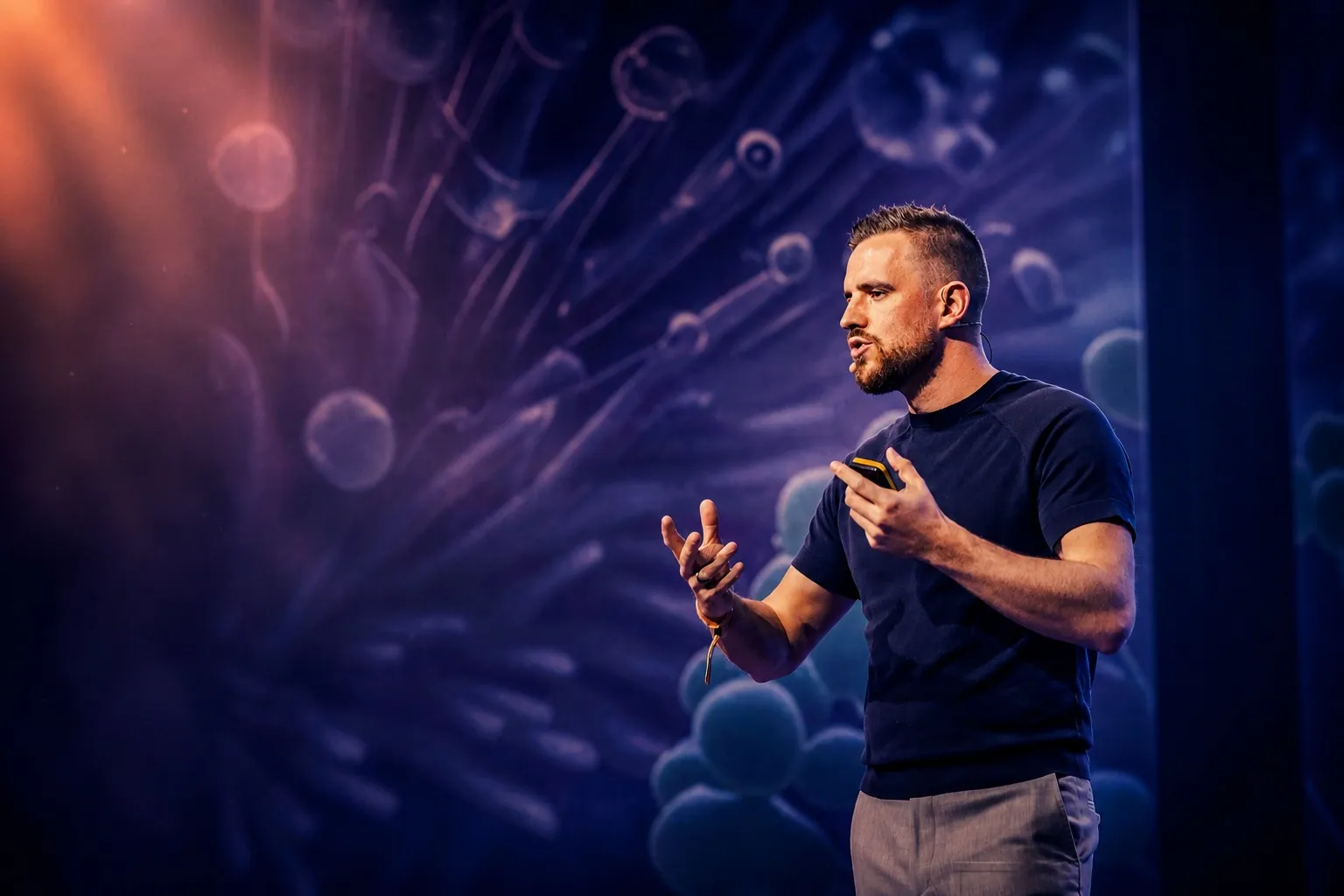
Biohacker Summit showcases cutting-edge approach to tackling lifestyle diseases through controlled oxygen exposure
At the futuristic setting of the Biohacker Summit in Helsinki, entrepreneur and breathwork specialist Xander Denys delivered a compelling case for rethinking our relationship with the most fundamental element of life: oxygen.
"Health is a mobility and a capacity to get the right energy at the right moment in any situation, on a physical level, on a mental level, on a social level," Denys told an engaged audience during his presentation on Tuesday at the three-day event focused on human performance optimisation.
Energy management, not time management
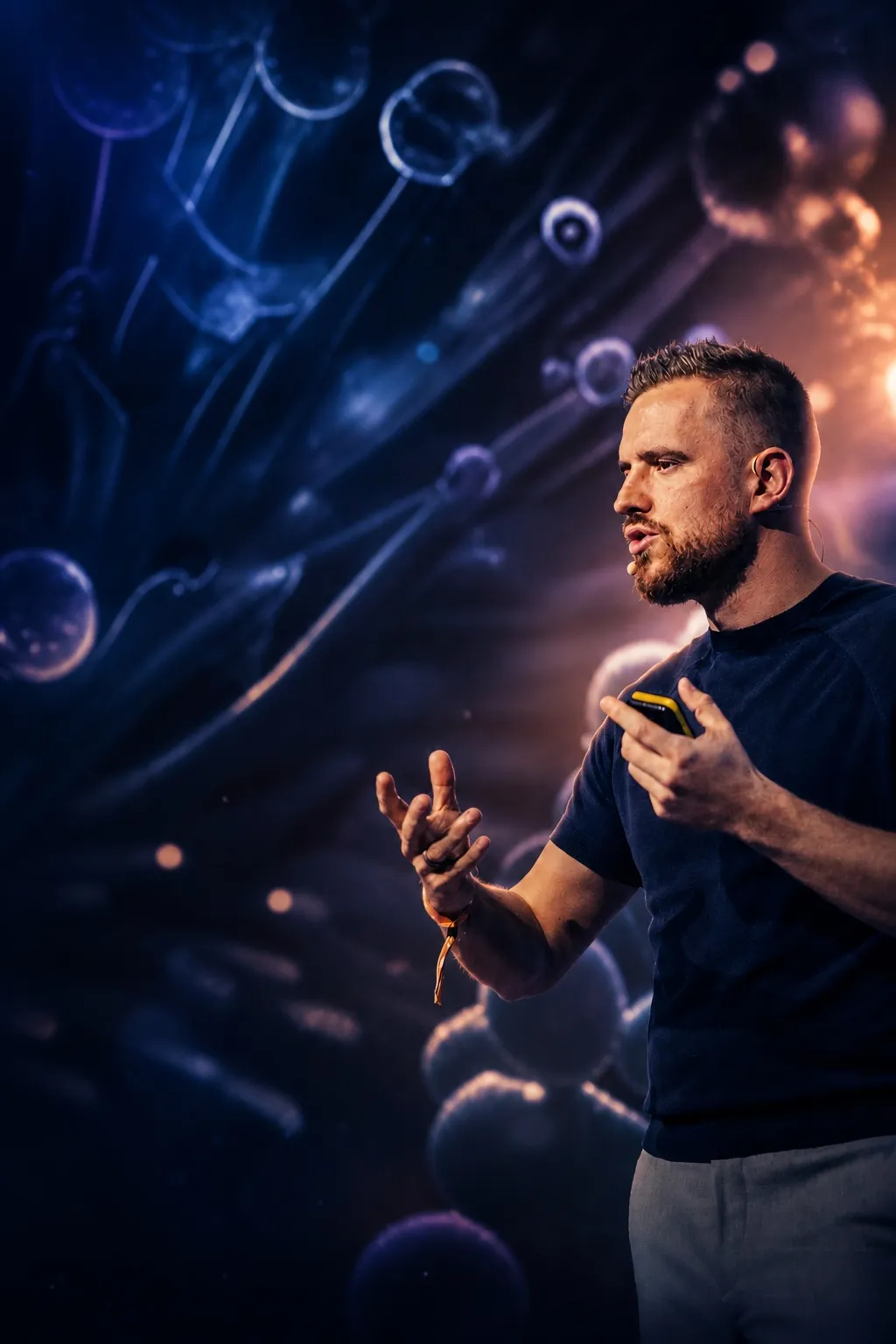
In a world obsessed with productivity hacks and time-saving techniques, Denys proposed a radical shift in focus. "Life is not about time management. It's about energy management," he explained, pointing to our epidemic of lifestyle diseases like burnout, depression, and diabetes as evidence of our collective energy mismanagement.
The former athlete and founder of CryoHealth, a Belgian wellness centre, wasn't simply theorising. His approach is grounded in physiological mechanisms, specifically the autonomic nervous system - the body's unconscious control system that regulates everything from pupil dilation to heart rate.
"Our sympathetic system in a life-threatening situation provides us with hormones such as adrenaline, noradrenaline, and cortisol to fight or flee," Denys explained. The problem, he argued, is that many high performers remain locked in this sympathetic-dominant state, leading to chronic inflammation and eventually illness.
The breathing paradox
The elegance of Denys' approach lies in its simplicity. "I cannot choose how big my pupils are, or how much saliva I have in my mouth, but I can choose very consciously how I breathe," he said.
This conscious control of breathing serves as a gateway to regulating the otherwise automatic nervous system, potentially interrupting the chronic stress cycle that plagues modern life.
Hormetic stimuli: Controlled stress for greater resilience
Central to Denys' methodology is the concept of hormetic stimuli – short, acute stressors that challenge the body in controlled ways, triggering beneficial adaptation responses.
"Every hormetic stimulus, every short and acute stressor on our body, can become toxic if not done in the right way," he cautioned, emphasising the importance of proper dosing whether with cold plunges, cryotherapy, or his speciality – intermittent hypoxia-hyperoxia therapy (IHHT).
The oxygen advantage
IHHT involves alternating between reduced oxygen levels (hypoxia) and elevated ones (hyperoxia) while at rest. Typically, humans breathe air containing 21% oxygen, but in controlled IHHT sessions, this fluctuates between 10-12% and 25-35%.
"Fluctuating oxygen levels have won the Nobel prize for medicine in 2019," Denys noted, referring to research on how cells adapt to oxygen availability. The technique appears to optimise mitochondrial function – the power plants within cells that generate energy.
This matters because, as Denys put it simply: "It's all about energy. You use it or you lose it."
From athletes to anxiety sufferers
The potential applications appear remarkably broad. Denys outlined five target groups who might benefit: athletes seeking performance gains; individuals with cognitive health challenges including neuroinflammation; those managing weight; people with pulmonary diseases; and perhaps most notably, stress management for those at risk of burnout.
"A marathon runner after ten sessions in four weeks can run faster on the same heart rate," he claimed, while suggesting other clients experience improved focus, mental clarity, and metabolic benefits.
A holistic vision
What distinguishes Denys' approach from typical biohacking is its balance. Rather than solely focusing on performance enhancement through hormetic stressors, he advocates pairing these with parasympathetic stimuli – interventions like low-frequency vibration therapy that activate the "rest and digest" system.
"In the future of holistic and preventive healthcare, we need to combine hormetic stimuli with parasympathetic stimuli," he said, outlining a vision where sessions might incorporate both oxygen therapy and techniques to promote deep relaxation.
As the Biohacker Summit continues through Wednesday in Helsinki, Denys' message resonates with the event's ethos of evidence-based self-experimentation. Whether intermittent oxygen therapy will truly transform healthcare remains to be seen, but in a world grappling with lifestyle-related illnesses, this breath of fresh thinking may be exactly what's needed.
Frequently asked questions
What is intermittent hypoxic-hyperoxic training?
Alternating between reduced oxygen levels and elevated ones while at rest. Humans typically breathe air containing 21% oxygen, and Xander Denys described controlled sessions that move above and below that baseline to trigger adaptation.
Why does Denys talk about energy management?
Because he thinks time management is the wrong frame. Life is not about time management, he said, it is about energy management, pointing to lifestyle diseases such as burnout, depression and diabetes as evidence of collective energy mismanagement.
What is a hormetic stimulus?
A short, acute stressor that challenges the body in a controlled way and triggers a beneficial adaptation. Every hormetic stimulus can become toxic if not done the right way, Denys cautioned, which is why dosing matters for cold plunges, cryotherapy and oxygen training alike.
About the event
This recap is part of the Biohacker Summit 2024 Helsinki series, recorded in Helsinki on 2 and 3 July 2024. Read the summary of the whole event or join the next edition, HOLOLIFE Summit 2026 Amsterdam, on 14 and 15 November 2026.
In this story
Comments
Loading comments…