Biohacker Summit 2020 Helsinki
The Lifestyle Of Longevity: Nine Hacks To Optimize Healthspan And Vitality
By Teemu Arina · · Updated
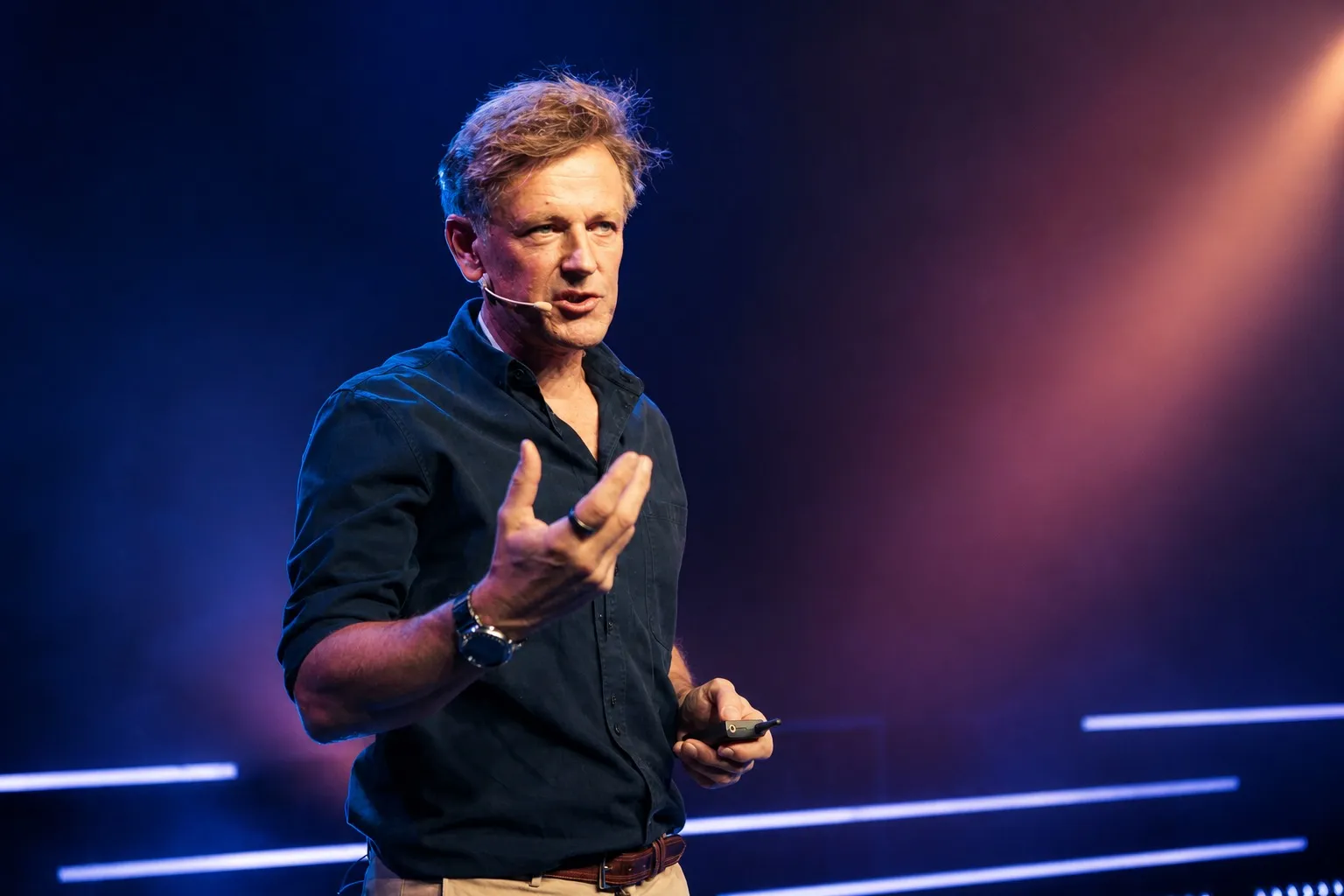
At Biohacker Summit 2020 Helsinki, Eduard de Wilde Framed Aging As A Maintenance Problem Rather Than An Inevitable Decline
On Friday, 16 October 2020, at Biohacker Summit 2020 Helsinki in Finland, the speaker and entrepreneur Eduard de Wilde took the stage with a proposition that was at once deeply personal and unmistakably modern: longevity, he argued, was less about chasing immortality than about preserving vitality.
De Wilde’s presentation, The Lifestyle of Longevity, was built around a simple ambition. He said he wanted to “live long and drop dead” not merely by stretching lifespan, but by expanding healthspan, the years in which body and mind remained energetic, capable and intact. In his telling, the future of aging lay not in fantasy but in maintenance, discipline and a biohacker’s insistence on measurable daily habits.
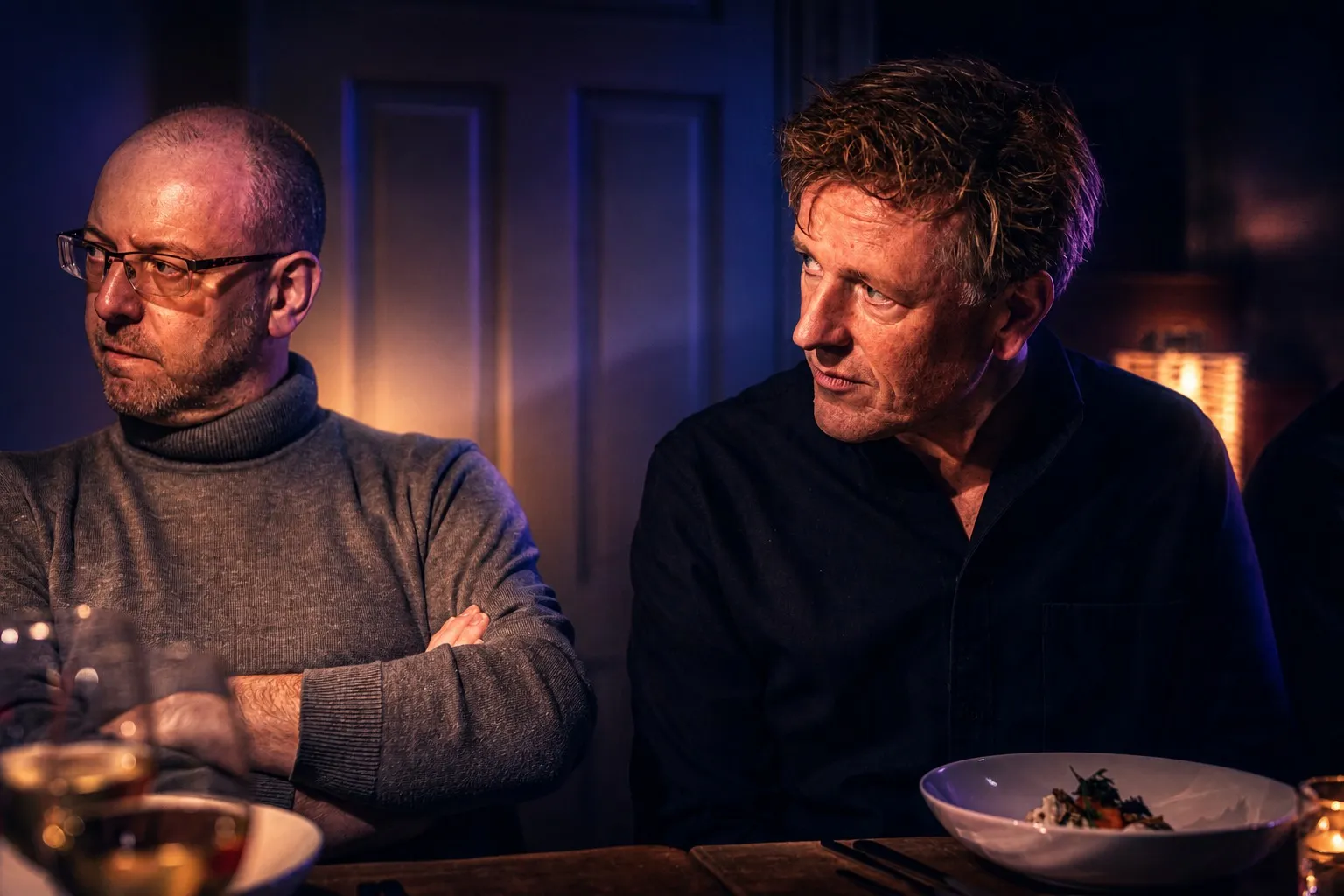
“Research shows seventy-five percent of how we age is influenced by lifestyle,” de Wilde said. “This is epigenetics, and it is what we should focus on to age in a healthy way.”
A Life Rebuilt Through Experiment
The authority of de Wilde’s talk did not rest only on trend or theory. It was sharpened by biography.
A father, husband, athlete, consultant, entrepreneur and amateur chef, he had spent years immersed in nutrition and health. But his route into biohacking was forged through suffering. After taking the anti-malaria drug Lariam in 2000, he developed severe anxiety and panic disorder. More than 40 medical and complementary treatments failed to resolve it. Frustration mounted. So did weight. After six years of struggle, he left his job as a partner and turned himself into a full-time student of his own recovery.
He read obsessively, followed the literature, trawled blogs and podcasts, and absorbed the ideas of Paleo and biohacking thought leaders. Over time, he said, he rebuilt himself through interventions in food, sleep, exercise, light, cold, supplements, fasting and photobiomodulation. Fifteen years later, he said he had effectively healed himself by activating the body’s own powers of repair.
That hard-won transformation gave the talk its underlying conviction: aging may be inevitable, but deterioration, at least in part, can be negotiated.
The Central Claim: Most Aging Is Malleable
De Wilde anchored his argument in a broad distinction between luck, genetics and lifestyle. Bad luck, he noted, could not be controlled. Genetics, though powerful, were inherited. But the larger share of aging, he said, was driven by behavior and environment.
That framing led him to the biology of wear and tear. Metabolism, he suggested, was both the engine of life and the source of damage. As the body built, burned, repaired and replaced, injury accumulated. The real task of longevity, then, was not to pretend damage would not happen, but to reduce it, clear it and repair what could be repaired.
He invoked what he called the “seven pillars of aging”, a cluster of processes that included mitochondrial decline, cellular debris, tissue shrinkage, stiffening and telomere shortening. The details were technical, but the metaphor was not.
“Think of your body like an old timer car,” he said. “If you take care of it, it can still drive at the same quality even if it is a century old. It is all about maintenance and managing the damage that occurs over time.”
Cold As Training For The System
The first of de Wilde’s nine longevity hacks was cold exposure, a familiar ritual in Nordic countries but, in his account, a potent biological tool rather than a mere endurance stunt.
Cold, he said, could strengthen the immune system, stimulate brown fat, balance hormones, reduce stress and support autophagy, the process by which the body clears damaged cellular material. His own routine involved four rounds of Wim Hof breathing followed by several minutes in a zero-degree ice bath he had built at home.
Here, as throughout the talk, de Wilde’s style was revealing. He did not present longevity as a grand, abstract philosophy. He presented it as logistics. If the climate did not provide the intervention naturally, he would engineer it. If time was limited, he would stack habits together. The modern body, in this view, became a site of design.
Light, Fasting And The Promise Of Cellular Renewal
The second and third hacks moved from temperature to light and from nourishment to deliberate abstinence.
Red light therapy, de Wilde said, had become part of his daily ritual because of its perceived effects on mitochondria and collagen production. He described lying on a red and near-infrared light setup while doing his breathing exercises, turning recovery into an efficiency exercise as much as a wellness one.
If cold and light were about stimulation, fasting was about removal.
“Please do not eat,” he said, with a biohacker’s mix of provocation and certainty.
His case rested on autophagy, often described as cellular self-cleaning. De Wilde followed a daily fasting window of 16 to 18 hours, completed a 24-hour fast every week, and undertook a five-day water fast twice a year. The longer fasts, he argued, did more than suppress appetite or lower weight. They promoted deeper repair, immune renewal and stem cell regeneration.
This was a recurring theme of the presentation: much of modern ill health, in his formulation, came not only from what was missing, but from excess. Excess food. Excess glucose. Excess stimulation. Excess stress.
Keto, Organ Meats And The Return To An Older Human Template
De Wilde’s fourth and fifth hacks drew heavily from ancestral health thinking. Human genes, he said, had changed little from those of hunter-gatherers, while the food environment had changed catastrophically fast. The result was a mismatch between biology and modern life.
His answer was a cyclical ketogenic diet, high in fat and low in carbohydrates for most of the week, with periodic carbohydrate refeeds to support hormonal balance. Unlike more rigid ketogenic evangelists, he argued for variation rather than permanence. The goal was metabolic flexibility, stable energy and fewer destructive blood sugar spikes.
He paired that with “nose-to-tail” eating, a phrase that has become shorthand for nutritional density in ancestral health circles. Collagen, liver and organ-based nutrients featured prominently in his own protocol, not as exotic additions but as an attempt to recover what industrial diets had stripped away.
The underlying logic was old but newly branded: the body, if given the right evolutionary signals, might remember how to repair itself.
Strength, Sprints And The Fight Against Frailty
There was, too, a harder edge to the vision of graceful aging. Longevity, in de Wilde’s account, was not passive preservation. It was training.
Heavy weightlifting twice a week and high-intensity sprinting once a week formed the sixth of his hacks. The reason was straightforward. Muscle mass declines with age, and that loss is not cosmetic. It is metabolic. It is structural. It is the beginning of frailty.
He cited the claim that roughly 24% of muscle mass disappears between ages 40 and 70. To resist that slide, he favored efficient, intense methods, including resistance devices, blood flow restriction and vibration plates. Sprinting, meanwhile, he said, could improve mitochondrial function by more than 50%.
His language often returned to efficiency, to obtaining the greatest biological return in the shortest time. “A biohacker wants to be as effective as possible in the shortest time possible to maintain a healthy body,” he said.
In another age, such advice might have sounded austere. In 2020, it sounded like the logic of productivity imported into the flesh.
Stress And Sleep As The Real Foundations
Yet some of de Wilde’s most persuasive moments came when he addressed not performance, but restoration.
Relaxation, he said, was “one of the most important tasks during the day”. For someone inclined to work constantly, stress management was not a luxury but a corrective. He described using HeartMath breathing practices to shift himself toward parasympathetic recovery, taking short breaks to regulate heart rate variability and interrupt the chronic activation of the stress response.
If stress was the hidden accelerator of aging, sleep was the master repair state. Deep sleep, he argued, was where systemic recovery happened. He tracked it obsessively, using wearable data to monitor heart rate, deep sleep and REM sleep, and adjusted behavior accordingly.
Alcohol offered one of the starkest lessons. After a heavy drinking session, he said, his subjective feeling of a good night’s sleep was contradicted by the data. His resting heart rate remained dramatically elevated, suggesting that the body had spent the night laboring rather than restoring itself. The finding was less moral than mechanical. What felt like rest was not necessarily repair.
From blue light blocking to morning sunlight exposure, earlier meals and careful supplementation, his sleep protocol reflected the larger thesis of the talk: healthspan is not won in dramatic moments, but in the architecture of ordinary days.
Supplements At The Frontier Of The Longevity Market
De Wilde’s ninth hack turned to supplementation, where the language of personal optimization meets the commerce of contemporary health culture.
He highlighted compounds such as astaxanthin, spermidine and nicotinamide riboside, the latter a precursor to NAD+, a molecule central to cellular energy metabolism and increasingly prominent in longevity research. For de Wilde, these were not miracle shortcuts but lubricants for the system, tools to keep the metabolic engine running more smoothly.
The caution, implicit if not fully stated, was that the longevity movement now lives at the intersection of science, self-experimentation and consumer aspiration. De Wilde himself embodied that convergence, having founded companies that made Bulletproof products and later his own brand, NoordCode, more accessible in Europe.
Still, his most compelling evidence was not a supplement stack or a product line. It was the before-and-after arc of his own life.
“I have grown twenty years older, but I feel more energetic than I did before,” he said. “By changing my lifestyle and implementing these habits, I have significantly improved my healthspan.”
A Vision Of Aging That Refused Resignation
What lingered after The Lifestyle of Longevity was not simply the list of nine hacks, though the list was memorable enough. It was the moral tone beneath them. De Wilde spoke about aging not with dread, but with defiance. Not denial, exactly, but refusal. Refusal to surrender the body to drift, to habit, to convenience, to the soft decay of modern abundance.
At Biohacker Summit 2020 Helsinki, Eduard de Wilde offered a version of the future in which longer life was becoming technologically imaginable. But his real message was more immediate and, in some ways, more demanding. Until science learns how to reverse aging outright, we are left with the body as workshop, responsibility and experiment.
Maintenance, he suggested, was not mundane at all. It was the work of staying alive well.
Frequently asked questions
How does Eduard de Wilde frame ageing?
As a maintenance problem rather than inevitable decline, and as largely malleable. Bad luck cannot be controlled and genetics are inherited, he acknowledged, but the larger share of ageing is driven by behaviour and environment.
What brought him to biohacking?
Suffering rather than curiosity. After taking the anti-malaria drug Lariam in 2000 he developed the health problems that redirected his life, which is the biography underneath a talk otherwise built from nutrition and experiment.
What is the first of his nine hacks?
Cold exposure, a familiar ritual in Nordic countries but, in his account, a potent biological tool rather than a test of endurance, which is the distinction he wanted the audience to take from it.
About the event
This recap is part of the Biohacker Summit 2020 Helsinki series, recorded in Helsinki on 16 and 17 October 2020. Read the summary of the whole event or join the next edition, HOLOLIFE Summit 2026 Amsterdam, on 14 and 15 November 2026.
In this story

Comments
Loading comments…