Stem cells: the body's 'repair system' could be key to longevity, expert claims
By Teemu Arina · · Updated
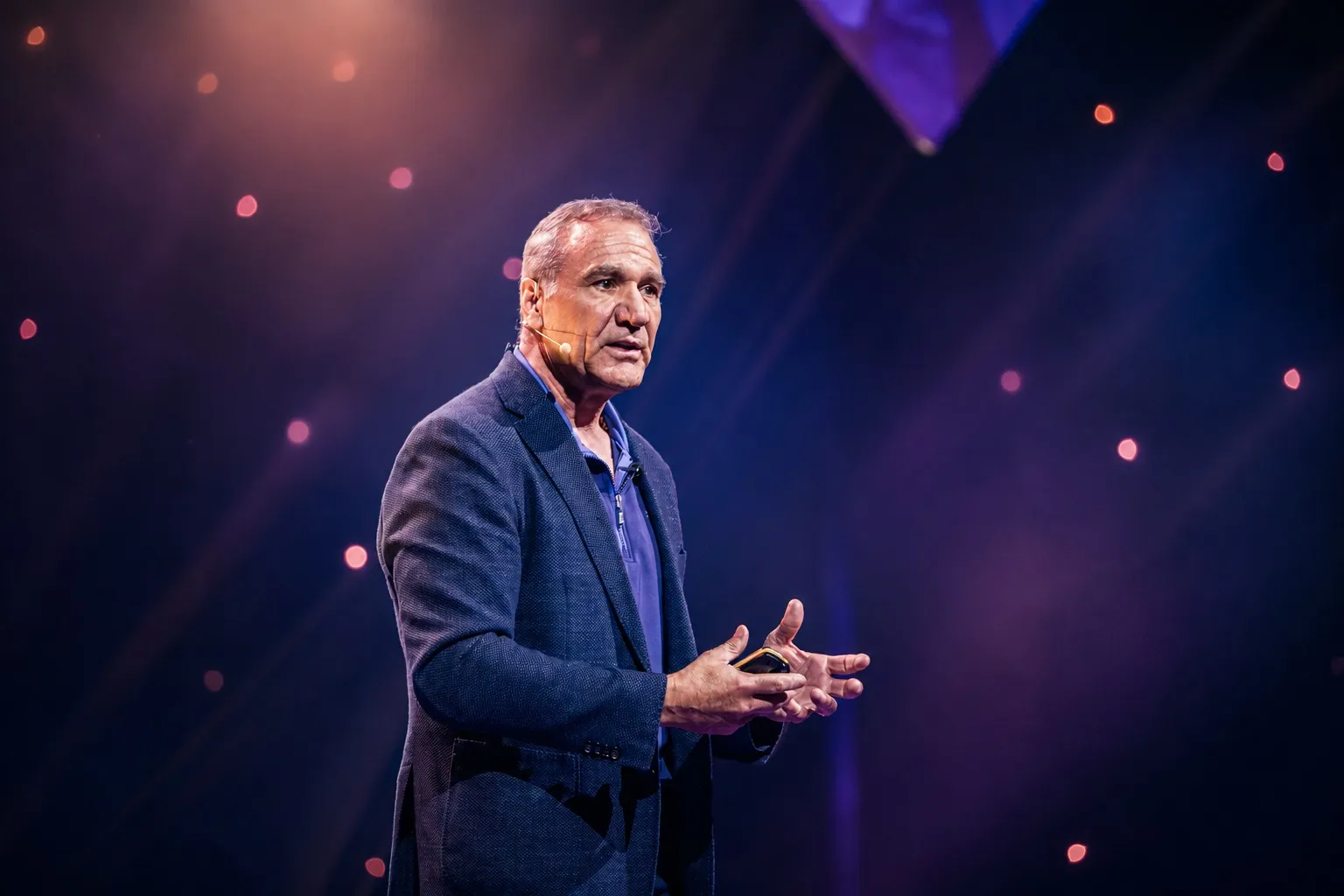
Leading researcher outlines paradigm shift in regenerative medicine at European health summit
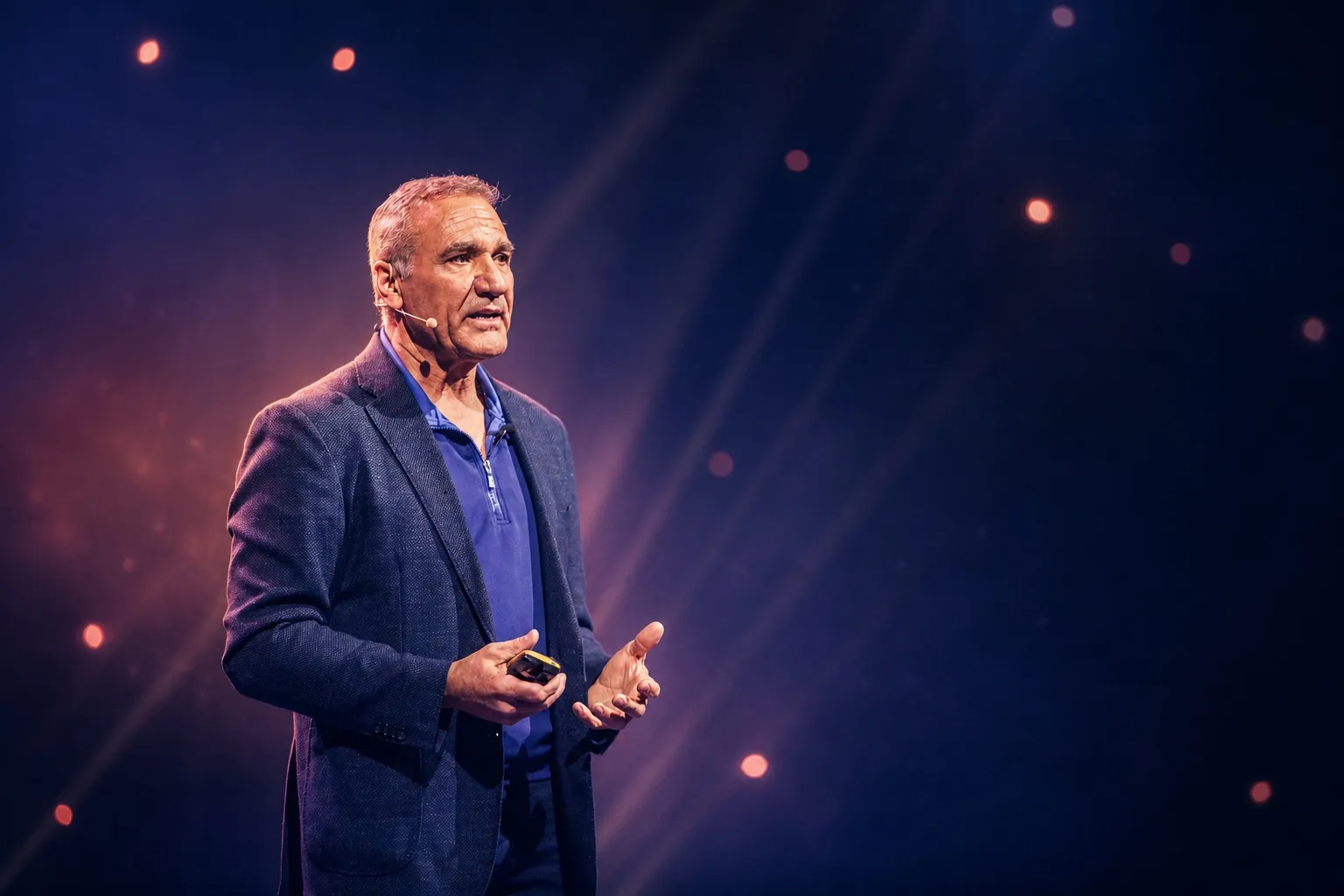
At the HOLOLIFE Summit 2025 Europe in Tallinn last week, stem cell researcher Christian Drapeau presented compelling evidence that stem cells function as the body's natural repair system – and that their decline may be a primary driver of aging and disease.
Speaking to a packed audience on the summit's opening day, Drapeau, founder and chief science officer of STEMREGEN, challenged conventional thinking about stem cells, arguing they represent "one of the greatest, if not the greatest, medical discoveries of our times."
Beyond injections: the natural repair system
Drapeau began by addressing common misconceptions. "For most people, stem cells are a treatment: you go somewhere, you get a stem cell injection," he said. "But that's just the tip of the iceberg."
The scientist, who holds a graduate degree in neurophysiology and has spent over 20 years focused specifically on stem cell research, outlined how stem cells naturally circulate in the bloodstream, responding to signals from damaged tissues to facilitate repair throughout life.
"Everyone has witnessed their own body heal," Drapeau noted. "Yet historically, medicine had no language for how this happens. Now we know—it's stem cells."
The aging process explained
According to Drapeau, one of the most significant factors in aging is the progressive loss of red bone marrow, which produces stem cells. "By age 30, we've lost about 90% of our red marrow," he explained, which dramatically reduces our capacity for tissue repair.
This decline, he argued, leads directly to the onset of age-related diseases from diabetes to Parkinson's, as organs gradually accumulate cellular deficits that can no longer be adequately repaired.
"A decade ago, I published the hypothesis that age-related diseases are linked to declining stem cell numbers," said Drapeau. "About fifty studies have since shown people with such diseases have about half as many circulating stem cells as healthy people their age."
Plant compounds stimulate natural stem cell release
Perhaps most intriguing was Drapeau's discussion of his team's research into plant-based compounds that can safely stimulate the body's own stem cell release.
During global field research, Drapeau identified several plants with remarkable effects, including a specific aloe species from Madagascar that healers have used for generations. His team extracted an active compound, now called StemAloe, which in tests doubled circulating stem cells within hours.
Similarly, sea buckthorn berry – a plant with a 2,000-year history in Chinese medicine – showed significant stem cell-mobilizing properties. Its ancient name, "Hippohae" (meaning "shining horse"), derives from Alexander the Great's observation that injured horses recovered with unusually shiny coats after grazing on this plant.
Clinical results show promise
Drapeau presented preliminary results from several clinical studies. In one involving ten patients with chronic congestive heart failure, participants regained normal heart function after six months of treatment with a stem cell-stimulating supplement.
Another ongoing study with Parkinson's patients has shown 40-60% improvement in various symptoms, including sleep, balance, anxiety and depression.
"We are not claiming to cure these diseases," Drapeau cautioned, "but rather that increased stem cells provide more repair capacity, allowing the body to recover from conditions considered incurable."
A new paradigm for longevity
The implications for longevity were a central theme of Drapeau's talk. He cited studies of centenarians showing they typically avoid age-related disease until just before death.
"For longevity, delaying disease onset could extend life," he said. "Stem cells, by maintaining organ health and delaying disease, become an amazing strategy for longevity."
As the HOLOLIFE Summit continued through the weekend, Drapeau's presentation sparked considerable discussion among attendees about the potential of this approach to revolutionize how we think about aging and disease prevention.
"The biggest challenge for science," Drapeau concluded, "is accepting that actual reversal of disease is possible, not just miraculous."
Frequently asked questions
What role do stem cells play day to day?
Christian Drapeau argued they are the body's natural repair system rather than only an injectable treatment. Stem cells circulate in the bloodstream and respond to signals from damaged tissue, which makes their decline a candidate driver of aging and disease.
How much repair capacity do we lose with age?
By age 30 we have lost about 90% of the red bone marrow that produces stem cells, according to Drapeau. He linked that decline directly to the onset of age-related diseases, as organs gradually accumulate cellular deficits that cannot be repaired.
Can the body's own stem cell release be stimulated?
Drapeau's team searched for plant compounds that do this safely and identified a specific aloe species from Madagascar that healers have used for generations. The extracted compound, now called StemAloe, doubled circulating stem cells in their tests.
About the event
This recap is part of the HOLOLIFE Summit 2025 Europe series, recorded in Tallinn on 14 and 15 June 2025. Read the summary of the whole event or join the next edition, HOLOLIFE Summit 2026 Amsterdam, on 14 and 15 November 2026.
In this story
Comments
Loading comments…