Regenerative medicine revolutionises anti-aging approach, expert reveals at HOLOLIFE Summit
By Teemu Arina · · Updated
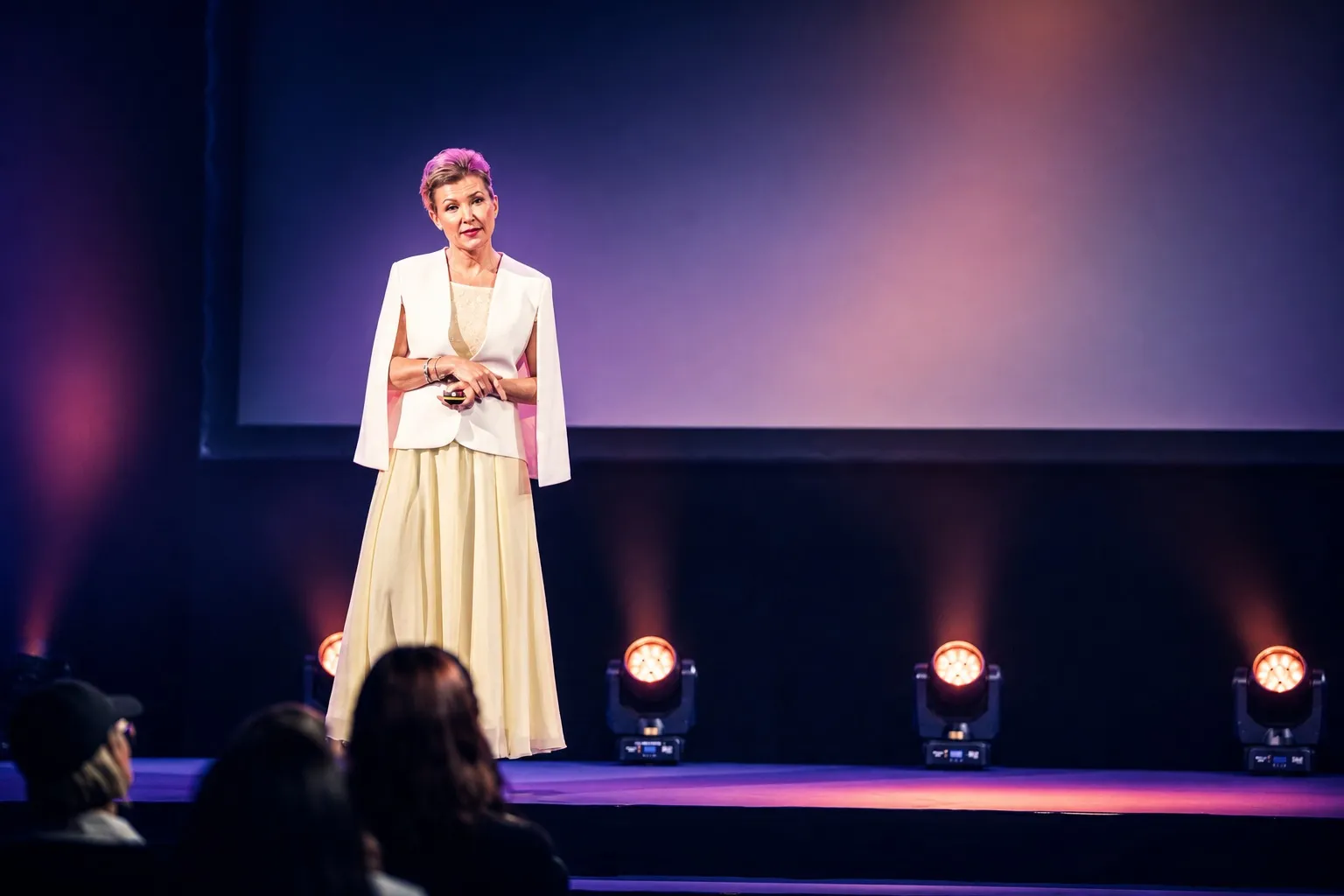
Pediatric surgeon and aesthetic specialist highlights how biology, not fillers, holds the key to lasting youth
A paradigm shift is occurring in aesthetic medicine, moving away from simply "filling lines" toward harnessing the body's own regenerative capabilities, according to renowned Estonian physician Dr. Mari Laasma. Speaking at the HOLOLIFE Summit 2025 Europe in Tallinn on Friday, Dr. Laasma presented compelling evidence that true anti-aging success lies in understanding and manipulating biological processes rather than seeking quick cosmetic fixes.
"Eighty percent of aging is influenced by epigenetics, which means most of it is within our control to improve," Dr. Laasma told the audience of health professionals and biohacking enthusiasts gathered at the three-day event.
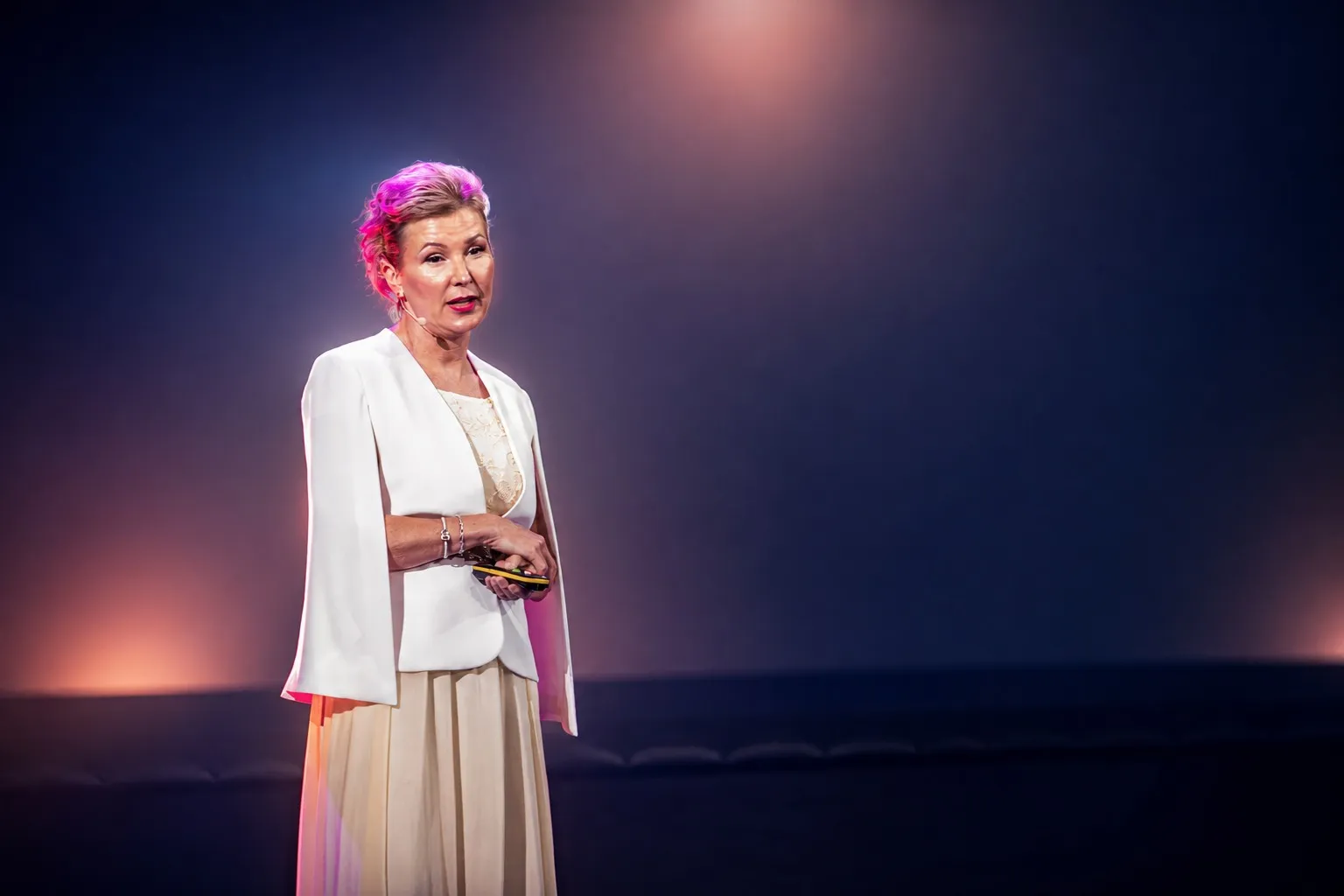
The science of beauty goes beyond skin deep
Dr. Laasma, founder of the Dr. Mari Laasma Laser and Beauty Clinic, explained that the visible signs of aging stem primarily from the loss of collagen, elastin, bone, muscle and fat – processes accelerated by environmental factors such as UV exposure, oxidative stress, sugar consumption, pollution and inflammation.
While facial symmetry and golden ratio proportions remain mathematically relevant to beauty standards, Dr. Laasma emphasised that skin health acts as the ultimate reflection of overall wellbeing. "Healthy, glowing skin is the only mirror that truly reveals what's happening inside our bodies," she noted.
The presentation revealed how modern aesthetic medicine has evolved to address aging across all five facial layers – skin, subcutaneous fat, muscles, ligaments and bone structure – rather than merely targeting surface-level concerns.
From autologous to technological: the regenerative toolbox
The most promising developments in the field involve harnessing the body's innate healing abilities. "In regenerative medicine, we use the body's own capabilities to heal and rejuvenate, stimulating collagen and elastin production," Dr. Laasma explained.
Autologous treatments – those using a patient's own biological materials – were highlighted as particularly effective. These include platelet-rich plasma (PRP), stromal vascular fraction from fat tissue, and various forms of processed fat grafts. Non-autologous options such as exosomes and polynucleotides were also discussed, though Dr. Laasma noted that European regulations limit some applications.
The presentation also covered advanced technologies transforming the field, including:
- Photobiostimulation using red light therapy to enhance mitochondrial function
- Laser treatments for skin tightening and collagen stimulation
- Radiofrequency and ultrasound devices for non-surgical lifting
- AI-assisted diagnostics and treatment planning
"Lasers and energy-based devices lift, tighten, and rejuvenate the skin by promoting cellular repair and reducing biological age," Dr. Laasma said, emphasising that these technologies have demonstrated measurable epigenetic improvements.
The lifestyle foundation of youthful appearance
Perhaps most surprisingly for an aesthetic medicine expert, Dr. Laasma placed significant emphasis on lifestyle factors that support skin health and longevity.
"Resistance training might be the best recommendation we have to stay strong and healthy as we age," she stated, highlighting its particular importance for women experiencing perimenopause and menopause.
Other key components of her recommended biohacking routine included cold water immersion, sauna use, quality sleep, strategic supplementation, and comprehensive skincare with UV protection. She dismissed the notion of a "magic pill" for aging, instead advocating for personalised approaches based on detailed diagnostics including biological age testing, hormone analysis, and genetic screening.
A new philosophy of aging
The presentation reflected a broader cultural shift in attitudes toward aging. "Recently, seventy-five percent of consumers focused more on 'looking well-aging' instead of anti-aging," Dr. Laasma noted, suggesting that complete age denial is being replaced by a desire to maintain health and vitality throughout the lifespan.
This perspective aligns with the summit's overall focus on holistic approaches to health and longevity, with speakers addressing everything from gut health to brain optimisation across the three-day event.
As the HOLOLIFE Summit continues through Sunday in Tallinn, attendees will explore additional cutting-edge topics at the intersection of health technology and human potential. Dr. Laasma's presentation, however, has already established a central theme: the future of anti-aging lies not in concealing the signs of time, but in fundamentally changing how our biology responds to it.
Frequently asked questions
What causes the visible signs of ageing?
The loss of collagen, elastin, bone, muscle and fat, accelerated by UV exposure, oxidative stress, sugar consumption, pollution and inflammation. Laasma, an Estonian physician and clinic founder, argued that this is why filling lines treats the appearance rather than the process.
What does regenerative aesthetics involve?
Using the body's own capabilities to heal and rejuvenate by stimulating collagen and elastin production. Laasma highlighted autologous treatments, which use a patient's own biological materials, including platelet-rich plasma and stromal vascular fraction.
What lifestyle advice did she give?
Resistance training, which she called possibly the best recommendation available for staying strong and healthy as we age, and particularly important for women through perimenopause and menopause. She also noted that seventy-five percent of consumers now focus on ageing well rather than looking younger.
About the event
This recap is part of the HOLOLIFE Summit 2025 Europe series, recorded in Tallinn on 14 and 15 June 2025. Read the summary of the whole event or join the next edition, HOLOLIFE Summit 2026 Amsterdam, on 14 and 15 November 2026.
In this story
Comments
Loading comments…