Frozen fountains of youth: how extreme cold and electromagnetic therapy promise to slow ageing
By Teemu Arina · · Updated
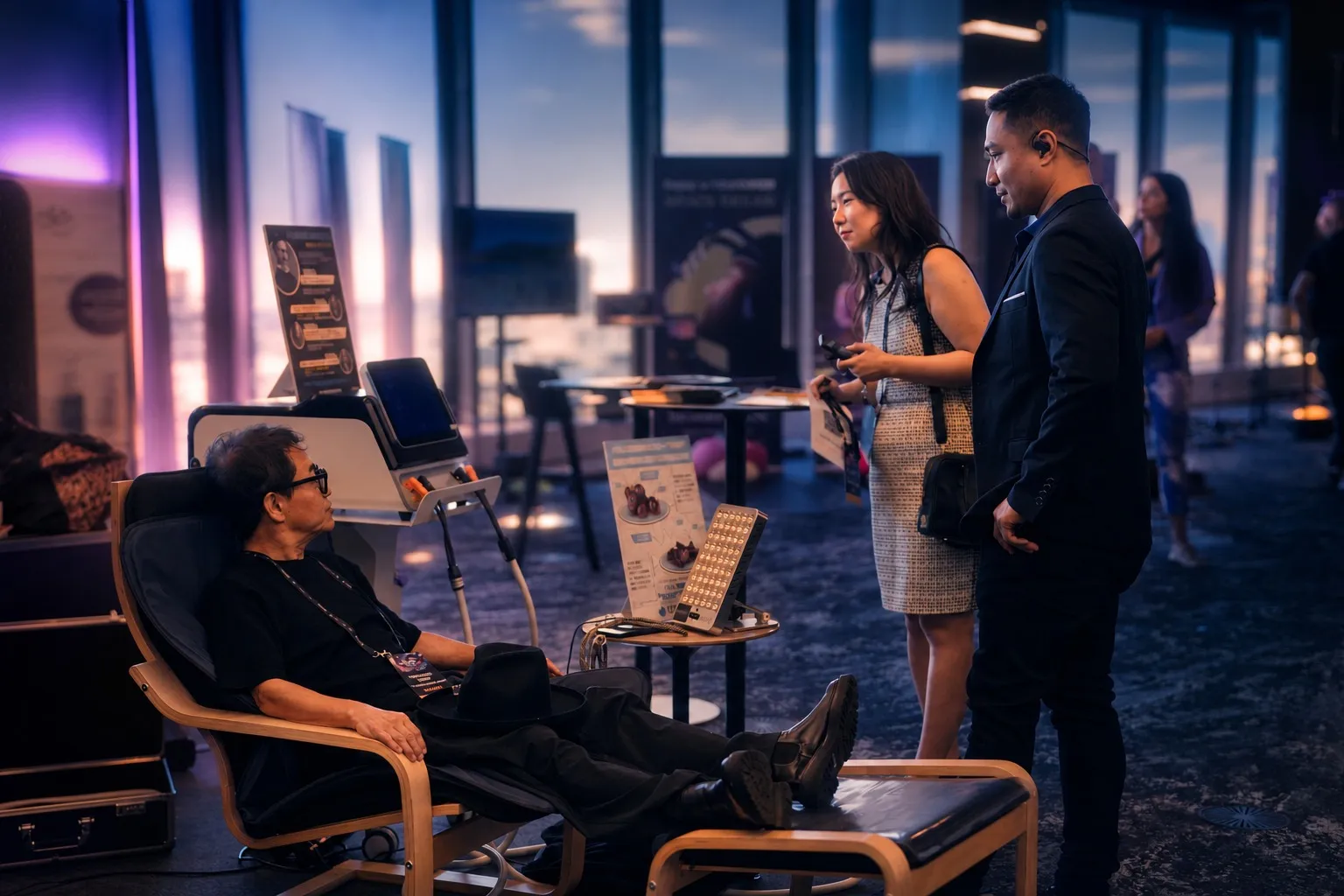
At Tokyo wellness summit, Michael Suwa presents combined approach using cryotherapy and pulsed electromagnetic field treatments to combat inflammation and boost cellular regeneration
The pursuit of longevity has driven humans to embrace increasingly unconventional methods, from restrictive diets to experimental supplements. At the Hololife Summit in Tokyo this October, Michael Suwa presented what he believes could be a powerful combination in the anti-ageing arsenal: subjecting the body to extreme cold whilst simultaneously charging cells with electromagnetic pulses.
Speaking to an audience of wellness enthusiasts and health professionals, Suwa outlined how these two seemingly disparate therapies work in tandem to reduce inflammation, boost cellular function, and potentially slow the visible markers of ageing.
Ancient practice meets modern technology
Though marketed as cutting-edge wellness technology, cryotherapy's foundations are hardly new. Suwa traced the practice back to ancient Greek, Egyptian and Japanese cultures, all of which recognised the therapeutic benefits of cold exposure. What has changed is the delivery method.
Modern cryotherapy chambers use liquid nitrogen gas to plunge surface body temperature to extreme lows for brief periods, typically no longer than three minutes. "It's not 'bone cold'," Suwa explained. "It only lowers your surface temperature, which triggers your body's fight against inflammation and can immediately reduce pain."
The treatment works by provoking a controlled stress response. Blood vessels constrict rapidly, then dilate upon exit from the chamber, flooding the body with freshly oxygenated blood. This process, Suwa suggested, triggers the release of endorphins and dopamine whilst simultaneously boosting metabolism and circulation.
The cellular charging station
Whilst cryotherapy works from the outside in, pulsed electromagnetic field (PEMF) therapy operates on a cellular level. The treatment transmits bioelectric pulses through the body, essentially "charging" cells in much the same way one might charge a mobile phone battery.
"Low cell voltage can increase fatigue," Suwa noted, positioning PEMF as a solution to the energy depletion many experience with age. The technology, which traces its conceptual origins to Nikola Tesla's work on electromagnetic fields, has found applications ranging from space medicine to orthopaedic treatment.
Astronauts use PEMF therapy to counteract the severe muscle loss experienced after prolonged periods in zero gravity. The treatment has also shown promise in addressing osteoporosis and improving bone density, particularly in older adults.
Beyond pain relief: the wider benefits
Though both therapies initially gained traction for pain management and athletic recovery, Suwa outlined a broader spectrum of potential benefits. These include immune system activation, stress reduction, improved sleep quality, and notably, anti-ageing effects through stimulated collagen production and enhanced cell regeneration.
Perhaps most intriguingly, Suwa claimed that PEMF therapy can increase stem cell activity by 200 to 400 percent. If substantiated, this would represent a significant boost to the body's natural regenerative capabilities.
The metabolic effects of cryotherapy also caught attention. "Cryotherapy can burn 500 to 800 calories in minutes by boosting your metabolism, making weight management easy and effective, even after indulging in your favourite foods," Suwa stated, a claim that resonated with the biohacking community's interest in optimising body composition efficiently.
Combining forces
The most compelling aspect of Suwa's presentation was not the individual therapies themselves, but their potential synergy when combined. He outlined a protocol involving sequential treatments: cryotherapy followed by PEMF, then red light therapy, each building upon the effects of the previous intervention.
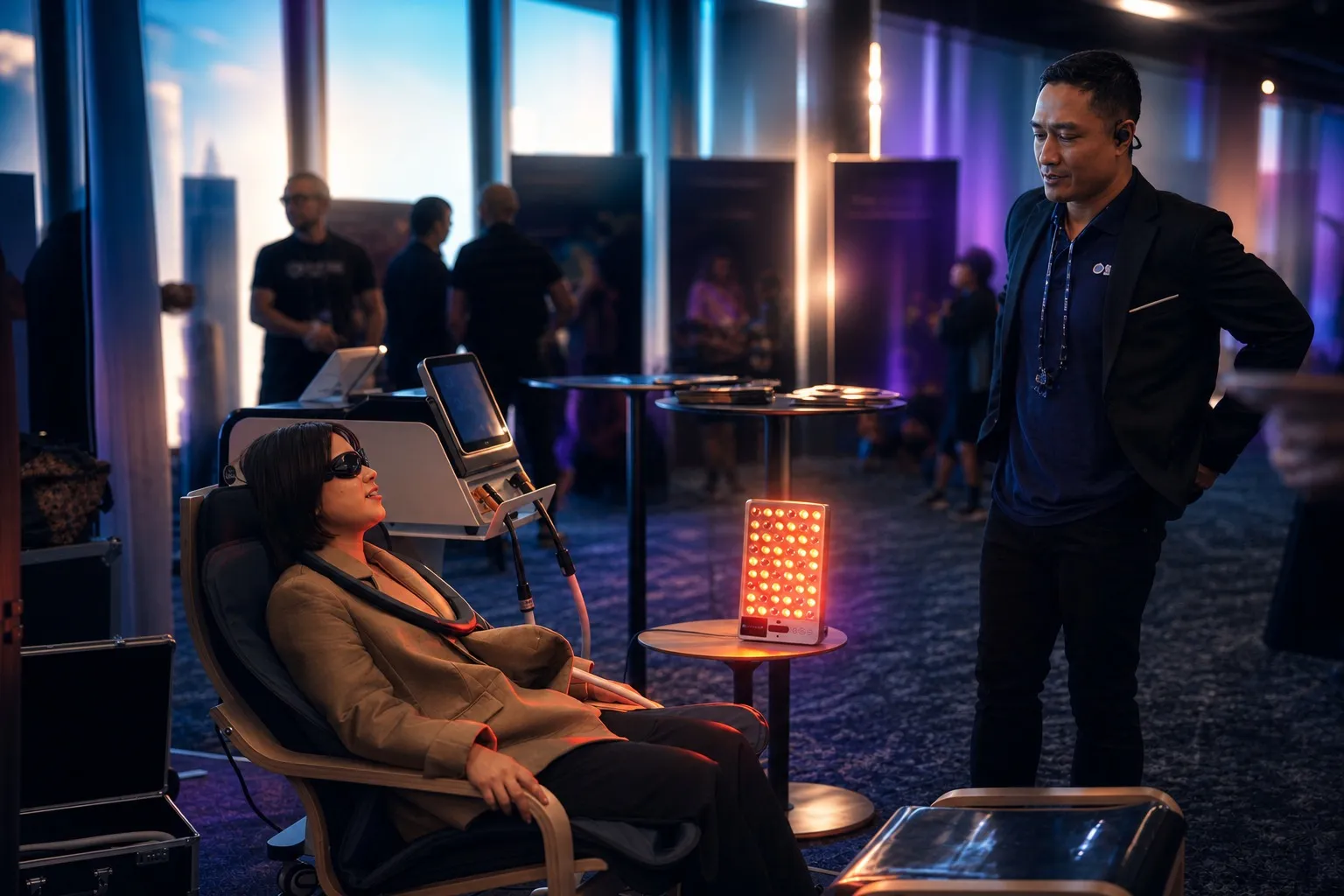
Red light therapy, Suwa explained, enhances mitochondrial function and metabolism, particularly effective when applied after the inflammatory response triggered by cryotherapy. Compression therapy rounds out the offering, stimulating the lymphatic system and aiding recovery from travel fatigue or intense physical exertion.
This multi-modal approach reflects a broader trend in wellness circles towards combining therapies rather than relying on single interventions. The logic is straightforward: if each treatment addresses different aspects of cellular health and recovery, their combined effect should exceed the sum of their parts.
Questions of accessibility and evidence
Whilst Suwa's decade-long personal use of cryotherapy lends anecdotal weight to his enthusiasm, the presentation raised questions about accessibility and rigorous scientific validation. Professional athletes and astronauts may have ready access to these technologies, but for the general public, regular treatments represent a significant investment of time and money.
Suwa acknowledged that home PEMF units typically operate at lower intensities than professional equipment, potentially limiting their effectiveness. This creates a two-tier system where those with access to high-end wellness facilities receive superior treatment to those relying on consumer-grade devices.
The safety profile appears favourable, with few contraindications beyond high blood pressure, pregnancy, and intoxication. Suwa emphasised that both therapies can be used daily without adverse effects for most people, positioning them as sustainable long-term wellness strategies rather than occasional interventions.
The biohacking economy
The growing market for cryotherapy and PEMF treatments reflects wider shifts in how people approach health and ageing. The covid-19 pandemic accelerated interest in immune-boosting therapies, whilst an ageing global population increasingly seeks interventions that promise not merely extended lifespan but improved healthspan.
Suwa positioned his products within the biohacking movement, a community that embraces technological and pharmaceutical interventions to optimise physical and cognitive performance. For this audience, spending three minutes in a nitrogen chamber or lying on an electromagnetic mat represents a minor inconvenience for potentially significant gains.
Whether these technologies will prove as transformative as their advocates suggest remains to be seen. Whilst existing research supports some claimed benefits, particularly around inflammation reduction and pain management, the anti-ageing effects remain less conclusively demonstrated.
A glimpse of wellness futures
As Suwa invited attendees to experience the treatments at his exhibition booth, he embodied a particular vision of wellness's future: technologically mediated, scientifically justified, and seamlessly integrated into daily routines. No lengthy meditation retreats or restrictive diets, merely brief, regular exposures to controlled stressors designed to trigger beneficial adaptive responses.
The appeal is undeniable, particularly for time-pressed professionals seeking efficient wellness interventions. Whether cryotherapy and PEMF will prove to be genuine advances in longevity science or merely the latest in a long line of overhyped wellness trends will likely become clearer as independent research catches up with commercial enthusiasm.
For now, the promise remains tantalising: that extreme cold and electromagnetic pulses, working in concert, might offer a shortcut to the cellular rejuvenation our bodies naturally lose with age. In Tokyo this autumn, that promise drew a receptive audience eager to freeze their way to a younger tomorrow.
Frequently asked questions
How does cryotherapy work in a modern chamber?
Modern chambers use liquid nitrogen gas to plunge surface body temperature to extreme lows for a brief exposure. Michael Suwa traced cold therapy back to ancient Greek, Egyptian and Japanese cultures, arguing that the therapeutic principle is old and only the delivery method is new.
What does PEMF therapy claim to do?
Pulsed electromagnetic field therapy transmits bioelectric pulses through the body, which Suwa likened to charging a mobile phone battery, on the reasoning that low cell voltage increases fatigue. He credited it with immune activation, stress reduction, better sleep, collagen production and increased stem cell activity.
What protocol did Suwa suggest combining?
Cryotherapy first, then PEMF, then red light therapy, each building on the effects of the previous one, with red light enhancing mitochondrial function and metabolism. He also acknowledged the practical limits: home PEMF units are weaker than professional ones, and regular sessions cost significant time and money.
About the event
This recap is part of the HOLOLIFE Summit 2025 Tokyo series, recorded in Tokyo on 10 and 11 October 2025. Read the summary of the whole event or join the next edition, HOLOLIFE Summit 2026 Amsterdam, on 14 and 15 November 2026.
In this story


Comments
Loading comments…