Biohacker Summit 2024 Helsinki
Liposomes, Rancidity, And The Battle For Better Brain Nutrition
By Teemu Arina · · Updated
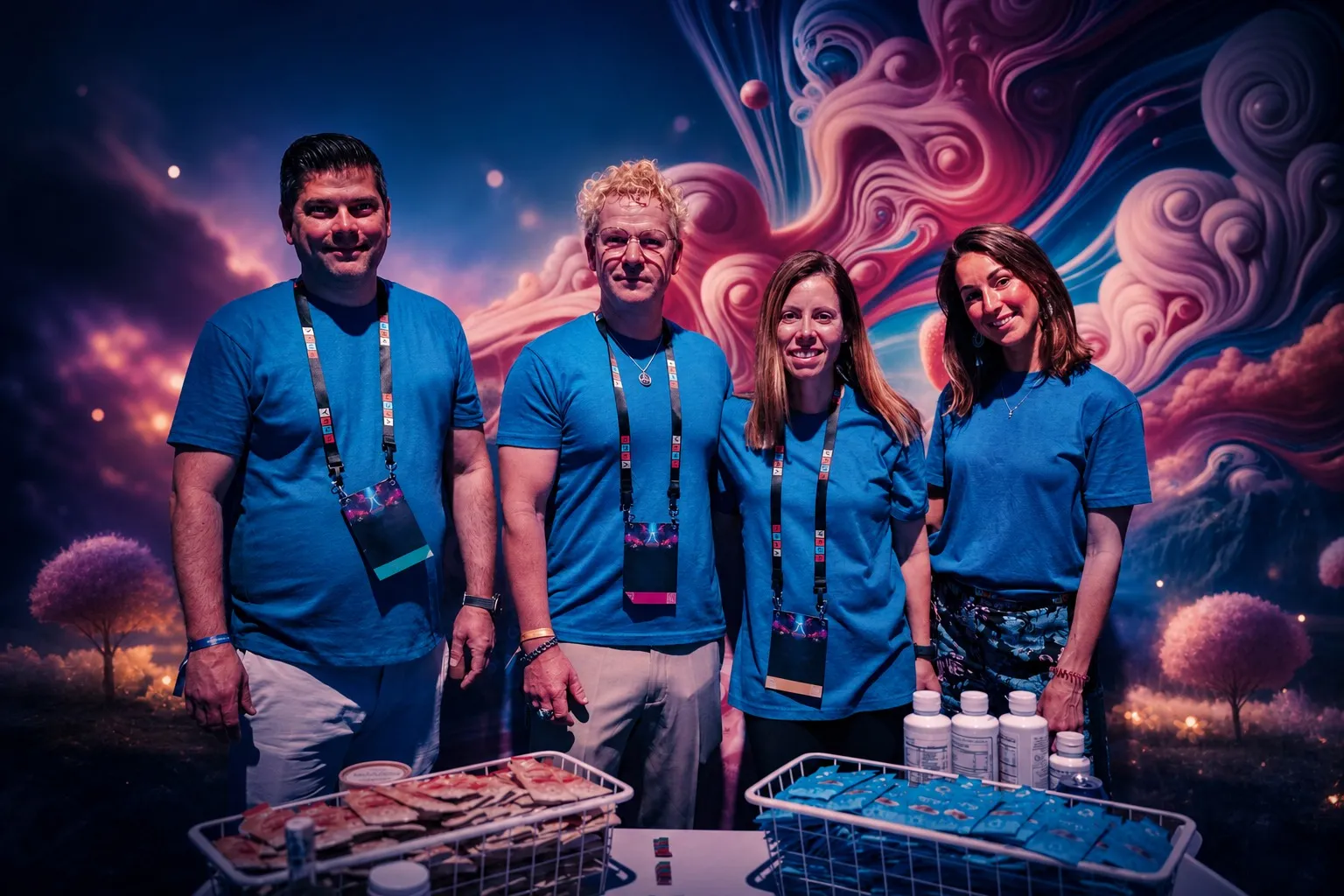
Philip Bromley Made A Familiar Promise Sound Unusually Concrete At Biohacker Summit
At the Biohacker Summit in Helsinki on Wednesday, 3 July 2024, Philip Bromley did not pitch cognitive health as a miracle. He pitched it as a chemistry problem.
In his presentation, Liposomal Formulations: Nutrients for Cognitive Health, Bromley, co-founder of Virun NutraBiosciences and O3Omega, argued that the future of brain-focused supplementation depended less on marketing gloss and more on a stubborn, technical question: how nutrients actually survive digestion and make their way into the body.
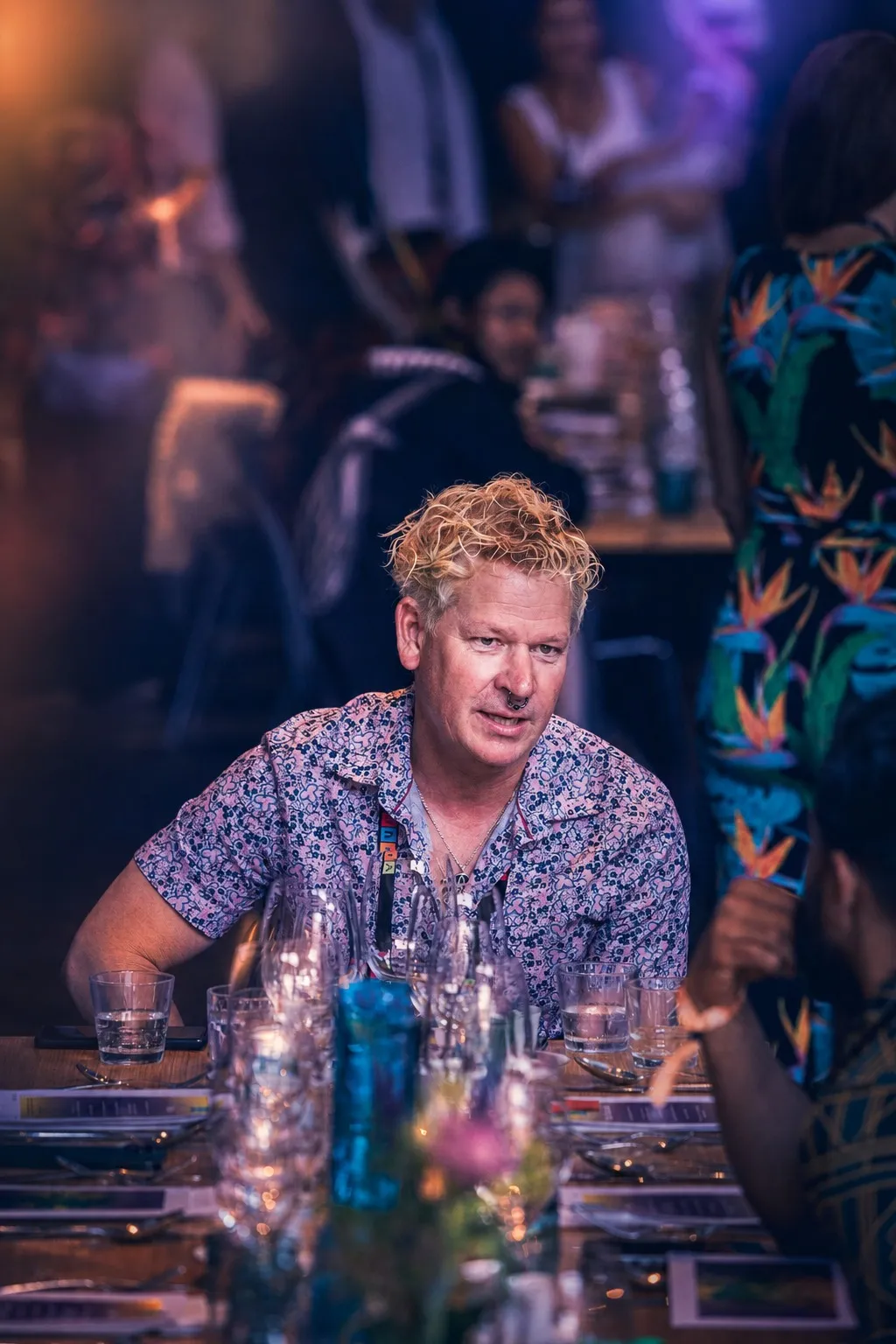
A Supplement Industry Long On Claims, Short On Delivery
Bromley traced Virun's roots back to pharmaceutical biochemistry, describing a company that shifted course after the 2008 financial crisis, moving from drug delivery technology toward dietary supplements. Founded in 2021 in its current incorporated form, Virun built its identity around oral bioavailability, the elusive measure of how much of a compound the body can truly absorb.
That, for Bromley, was the central scandal of the supplement aisle. Plenty of products contained attractive ingredients on paper. Far fewer, he suggested, delivered them effectively in practice.
“We have over 50 patents worldwide, all around biochemistry, combining fats into lipids, like liposomes, micelles, cubosomes,” he said.
The company’s proprietary approach, he explained, included what it called DP technology, using compounds such as lactoferrin to help shuttle nutrients through the gut more efficiently. Bromley described this in the language of biological pathways rather than wellness trends, portraying absorption as an active gatekeeping process rather than a passive outcome.
The Science Was Dense, But The Message Was Simple
Bromley’s most effective move was not technical bravado but translation. He tried to strip liposomal science of its mystique.
“I always say the best liposomal manufacturers that I know of are French sous chefs and think of hollandaise sauce,” he said.
It was a line that landed because it reduced a buzzword-heavy category into something tactile and understandable. In Bromley’s framing, liposomes were not futuristic magic but sophisticated emulsions, built from the same basic logic that governs food itself. Fats, phospholipids, water, structure, absorption.
He walked the audience through mycelization, the body’s natural process for turning poorly absorbed fats into forms that can cross the intestinal barrier. The point was not merely academic. Nutrients tied to cognitive health, including DHA omega-3, often depend on these transformations to become useful at all.
O3Omega And The Search For A Cleaner Delivery System
Bromley used the session to spotlight O3Omega, Virun’s flagship product, which paired algae-derived DHA from schizochytrium with MCT oil. The product, he said, was designed to avoid the usual compromises of fish oil supplementation while improving usability and stability.
Its ingredients were sourced and processed with unusual care. The DHA was grown and concentrated, then purified through CO2 extraction, a method Bromley praised for avoiding harsher solvents. Natural emulsifiers, including nut butters and phosphatidylcholine from sunflower seed and almonds, replaced more industrial additives.
The result, he argued, was not just a cleaner label but a more credible nutritional system, one that respected the fragility of fats rather than pretending they were indefinitely shelf-stable.
Fish Oil Came Under The Harshest Scrutiny
If liposomes were Bromley’s solution, rancid fish oil was his villain.
He delivered one of the talk’s sharpest critiques at the expense of conventional softgel omega-3 products, accusing the category of masking oxidation behind convenience. Fishy burps, he suggested, were not a minor inconvenience but a warning sign.
According to Bromley, many fish oil products entered the market already vulnerable from heavy processing, then deteriorated further during storage and distribution. Standard testing, he implied, did not always capture the full spectrum of harmful degradation byproducts.
The consumer absurdity, in his telling, was obvious. No one would tolerate rotten salmon at a restaurant. Yet many swallowed degraded oils if they arrived hidden in a capsule.
The Performance Of Authority, And Its Limits
Bromley spoke with a blend of chemist’s fluency and provocateur’s ease, veering from receptor biology to sardonic jokes about social media pseudoscience. At one moment he offered a deadpan flourish: “I myself am 85 years old, but I take my own supplements, and I just maintain a youthful look.”
It was knowingly theatrical, but it also revealed something about the tone of the session. Bromley’s appeal lay not in polished neutrality but in abrasive candour. He positioned himself as someone impatient with hype, even while standing in a sector built on aspiration.
That tension gave the talk its energy. It was at once a technical presentation, a product defense and a critique of an industry that too often sells ingredients rather than outcomes.
Cognitive Health Was The Goal, But Bioavailability Was The Real Subject
Though the presentation was framed around nutrients for cognitive health, Bromley’s deeper case was that brain support begins long before any neurological claim can be made. It begins in the mouth, the stomach, the gut lining, the emulsification process, the chemistry of oxidation and the architecture of delivery.
In Helsinki, at Biohacker Summit, Philip Bromley made a familiar wellness proposition feel grounded in a harsher reality. A nutrient is only as useful as the body’s ability to absorb it. And in that unglamorous space between ingestion and effect, he suggested, the real battle for cognitive health was being fought.
Frequently asked questions
What is oral bioavailability and why does it matter?
It is the measure of how much of a compound the body can truly absorb, and for Philip Bromley it is the central scandal of the supplement industry. He traced Virun's roots to pharmaceutical biochemistry and a shift after the 2008 financial crisis from drug delivery technology toward dietary supplements.
How does he explain liposomal science?
By stripping it of mystique. The best liposomal manufacturers he knows of, Bromley joked, are French sous chefs, and the reference point is hollandaise sauce. The comparison was his way of making an emulsion problem intelligible to a non-technical audience.
What is his criticism of fish oil?
Rancidity. Bromley accused the conventional softgel omega-3 category of masking oxidation behind convenience, and suggested fishy burps are a symptom rather than an inconvenience. His alternative, O3Omega, pairs algae-derived DHA from schizochytrium with MCT oil.
About the event
This recap is part of the Biohacker Summit 2024 Helsinki series, recorded in Helsinki on 2 and 3 July 2024. Read the summary of the whole event or join the next edition, HOLOLIFE Summit 2026 Amsterdam, on 14 and 15 November 2026.
In this story

Comments
Loading comments…