Biohacker Summit 2024 Helsinki
Heart Rate Variability, The Intimate Metric That Turned The Body Into A Story
By Teemu Arina · · Updated

At Biohacker Summit In Helsinki, Ilmo Strömberg Made The Case For HRV As The Single Most Useful Biomarker A Person Could Track At Home
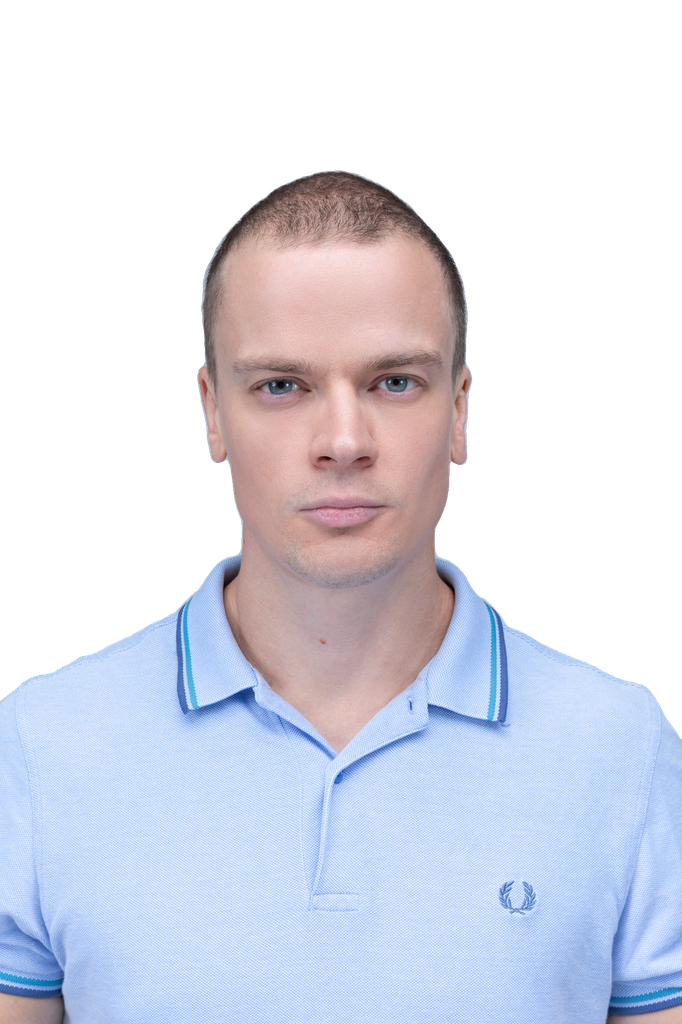
If there was one number to carry through life, one domestic measure to consult in the half-light of morning before the day’s pressures arrived, Ilmo Strömberg believed he had found it. Speaking at the Biohacker Summit in Helsinki on Tuesday, 2 July 2024, the Finnish biohacker and consumer health tech consultant distilled years of self-experimentation into a simple conclusion: heart rate variability, or HRV, was the most revealing biomarker available to ordinary people.
That claim did not come lightly. In his presentation, Mastering The Quantified Self & N=1 Experiments, Strömberg described a year in which he tracked more than 300 biomarkers, from blood values and sleep data to mood, energy and even phone use. The point, he suggested, was never merely optimisation for its own sake. It was curiosity, disciplined by measurement. It was the attempt to understand what happened inside the body not only at rest, but under pressure, fear and strain.
“But for me, the quantified self, it’s not just about optimizing the biomarkers and being healthy as possible,” Strömberg said. “It’s also about being curious what happens inside of my body in different situations.”
A Body On Stage, A Nervous System In Public
There was something almost disarming in the way Strömberg used his own anxiety as data. He told the Biohacker Summit audience that he feared public speaking, and that as he stood before them he was wearing six devices capturing physiological signals in real time. Nervousness, for him, was not an embarrassment to conceal. It was an event to observe.
That instinct had shaped earlier experiments. Strömberg recounted his experience in improvised theatre classes, where he used a Garmin smartwatch to track stress across repeated sessions. The first class sent his readings soaring. Months later, the same challenge produced a marked decline. Eventually, he said, there came a point when the numbers fell and confidence rose. He could remember the moment he began to enjoy it.
The lesson was larger than performance nerves. Stress, when measured over time, became legible. Adaptation could be seen, not just felt.
The Seduction And Limits Of Wearables
For all his enthusiasm for consumer technology, Strömberg sounded a note of caution that gave his talk weight. Wearables, he argued, were powerful, but they were not infallible.
He offered a vivid example from a Toastmasters speech, when a continuous glucose monitor appeared to show his glucose climbing to alarming levels, above 300 milligrams per decilitre. For a non-diabetic person, such a reading would ordinarily be deeply concerning. Yet the explanation remained uncertain. It might have reflected a dramatic surge in stress hormones such as adrenaline and cortisol. Or it might have been an erroneous reading triggered by physiological interference.
“One thing I have learned with different wearables, that you should always be a little bit skeptical when you’re looking at the numbers,” he said.
That scepticism was central to the ethic of self-tracking he described. Numbers were useful, but only when tested against context, pattern and, where possible, clinical benchmarks. Strömberg compared wearable readings against laboratory blood tests and found that devices could perform well in some situations while becoming less reliable in others, especially under extreme conditions.
The quantified self, in his framing, was not blind faith in dashboards. It was a practice of informed interpretation.
Why HRV Rose Above Everything Else
From that landscape of metrics, HRV emerged as the standout.
“So if I could only measure one biomarker at home for rest of my life, which one should I choose? And the answer is. Heart rate variability. HRV,” Strömberg told the audience.
He explained HRV in unusually graceful terms: “Think of HRV as the heart’s rhythm in a dance. If the dance is flexible and always changing, your heart is healthy and your autonomic nervous system is balanced.”
The appeal of HRV lay partly in its breadth. Unlike a narrow laboratory value that illuminated one organ or process, HRV offered a wider view into the body’s regulatory state. It reflected the balance of the autonomic nervous system and was associated, Strömberg noted, with cardiovascular health, chronic disease risk, mental wellbeing, recovery and performance. Lower HRV had been linked in research to a range of chronic conditions and psychiatric disorders. Higher HRV, he argued, tended to signal resilience.
It was also practical. Strömberg said he had measured HRV with more than 10 devices and apps over seven years, from mainstream wearables such as smartwatches, Oura Ring and Whoop, to chest strap systems, camera-based smartphone apps and smart clothing. The tools varied, but the metric remained accessible.
“If you are not already measuring your heart rate variability, start doing it and you can basically use apps that doesn’t cost anything,” he said. “Just use your mobile phone and find your baseline.”
Covid, Recovery And The Shock Of A Falling Baseline
The most affecting section of the presentation came when Strömberg turned to his own long-term data. If the stage had initially been a place for experimentation, it became here a place for vulnerability.
He had tracked HRV since 2017. Over that period, he said, the expected story would have been one of gentle refinement, perhaps even improvement. Instead, the records showed a significant and sustained decline beginning in 2022. The culprit, he believed, was Covid-19.
The infection itself had felt ordinary enough, more like a typical flu than a dramatic medical crisis. But his HRV did not rebound to its previous baseline. In the months that followed, he also developed shingles, an unusual event for a healthy 35-year-old, and experienced what seemed to be broader immune fragility. For someone who had accumulated years of personal baseline data, the change was impossible to ignore.
The power of self-tracking was visible here not in triumph, but in detection. Something had shifted, and the data had caught it early and clearly. Strömberg also noted that a gut microbiota test taken shortly before his Covid infection showed declines in beneficial bacteria relative to his earlier baseline, another sign, perhaps, of a system under strain.
The broader point was that trends mattered more than isolated figures. Comparison with friends, family or internet averages could be misleading. Genetics heavily shaped HRV, he said. What mattered most was the direction of one’s own line over time.
Breath, Cold And The Craft Of Small Interventions
If Strömberg’s diagnosis of modern self-tracking was nuanced, so too were his prescriptions. He did not offer miracle hacks. Instead, he described a set of modest interventions that appeared to improve HRV in his experiments and in the wider literature.
One was coherent breathing, which he called among the simplest and most effective tools he had tested. In his protocol, inhaling for 5.5 seconds and exhaling for 5.5 seconds produced the strongest effects among several breathing techniques he compared.
Another was cold water immersion. In a personal experiment spanning 20 nights of cold baths, 20 nights of cold showers and 20 nights without cold exposure before bed, Strömberg found the cold bath came out ahead across multiple measures, including REM sleep, morning HRV and hand grip strength.
He also pointed to broader lifestyle measures supported by research: Mediterranean diet, calorie restriction, physical exercise, mindfulness and biofeedback training. Improve aerobic fitness, he suggested, and HRV would likely improve with it.
What The Data Revealed About Daily Life
One of the more intriguing aspects of Strömberg’s talk was his interest in correlation rather than isolated outcomes. HRV rose alongside good sleep, including stronger sleep scores, REM sleep and sleep efficiency. When his HRV was higher, he found he tended to train harder the following day. Blood pressure moved in the opposite direction, declining when HRV rose.
Then there was the smallest but perhaps most telling link of all: phone use. Lower HRV, he said, was associated with more time on his phone. The relationship was modest, but suggestive. Fatigue, stress and diminished self-regulation might express themselves not only in physiology, but in habits of attention.
This was where Strömberg’s presentation became more than a catalog of gadgets and graphs. It hinted at a philosophy of self-observation in which the body and behaviour continuously informed one another.
Trends, Not Obsession
The danger in any quantified life is that it becomes a tyranny of readings, a narrowing of human experience into scorekeeping. Strömberg seemed aware of that trap. His final advice was less feverish than many health-tech sermons.
Find a baseline, he urged. Then stop obsessing over single numbers and watch the trend.
That was perhaps the most grounded insight of the session at Biohacker Summit. In a culture that often mistakes constant monitoring for wisdom, Strömberg argued for a slower, more reflective form of attention. The devices mattered. The data mattered. But what mattered most was the capacity to notice change, ask better questions and respond before decline hardened into damage.
In the end, HRV was not presented as a magic number. It was offered as a useful witness, a subtle rhythm beneath everyday life, recording the body’s negotiations with stress, illness, sleep, training and thought. And in Strömberg’s telling, that rhythm was worth listening to.
Frequently asked questions
Which biomarker did Ilmo Strömberg pick above all others?
Heart rate variability. Asked which single biomarker he would measure at home for the rest of his life, the Finnish biohacker and consumer health tech consultant answered HRV, on the grounds that it was the most revealing number he had found in years of self-experimentation.
How did he use his own anxiety as data?
Strömberg told the Helsinki audience he feared public speaking and that, as he stood before them, he was wearing six devices capturing physiological signals in real time. Nervousness, for him, was not an embarrassment to conceal but an event to observe.
Can wearables be trusted?
Not blindly. Strömberg gave the example of a Toastmasters speech during which a continuous glucose monitor appeared to show his glucose climbing above 300 milligrams per decilitre, a reading that would ordinarily be alarming in a non-diabetic person and which illustrated the limits of consumer devices.
About the event
This recap is part of the Biohacker Summit 2024 Helsinki series, recorded in Helsinki on 2 and 3 July 2024. Read the summary of the whole event or join the next edition, HOLOLIFE Summit 2026 Amsterdam, on 14 and 15 November 2026.
In this story
Comments
Loading comments…