News
Fermented Foods and Probiotics: The Gut Health Connection
By Teemu Arina ·
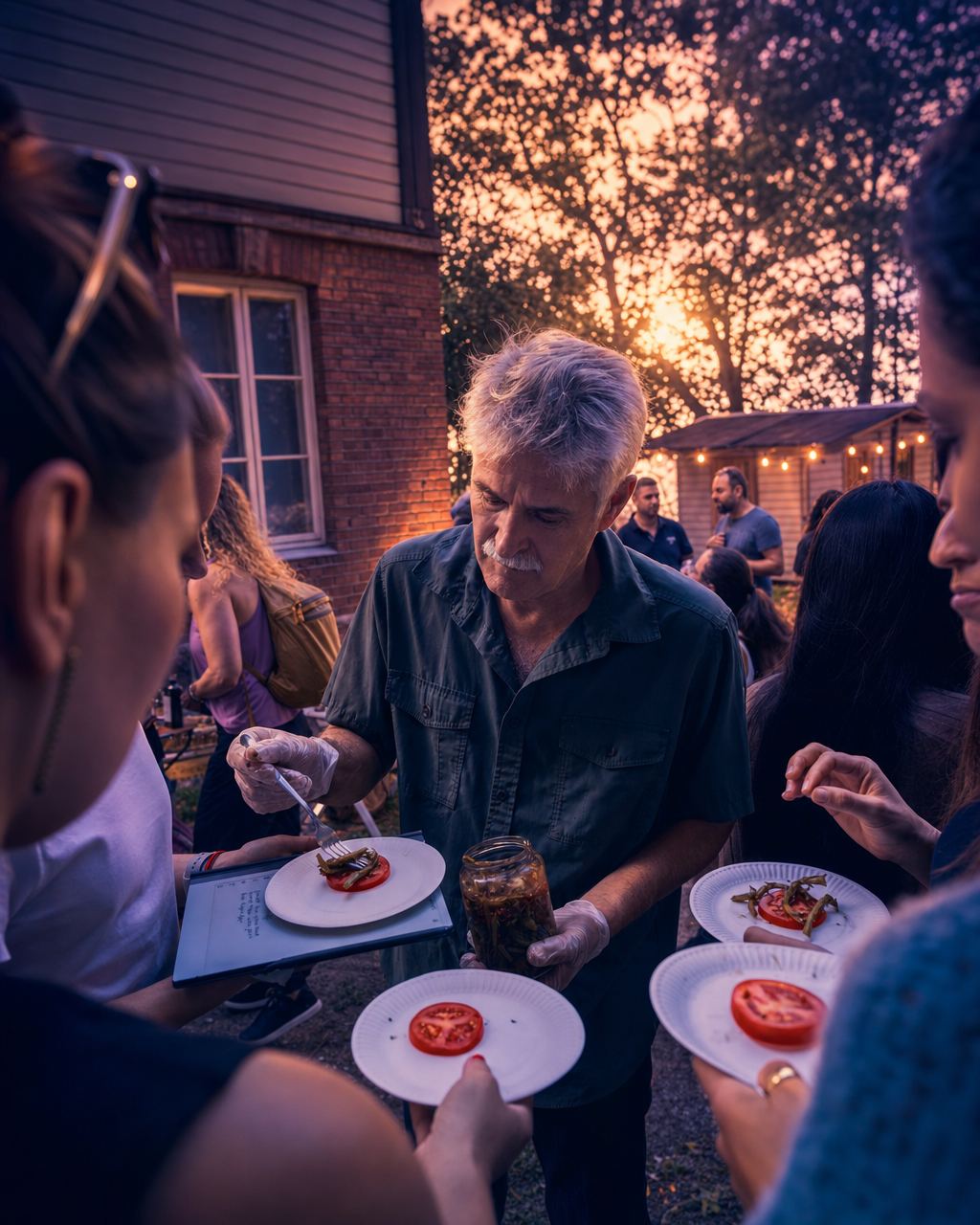
Fermented foods and probiotics are often confused. Many fermented foods contain live microorganisms, but a probiotic is a live microorganism that provides a documented health benefit when consumed.
The distinction between fermented foods and probiotics
Not every fermented product is a source of probiotics. Fermented foods can deliver various “biotics,” including prebiotics, synbiotics, and postbiotics (Frontiers in microbiology, 2023). To qualify as a probiotic, a food must contain characterised strains with proven health benefits.
Some processes leave too few live, beneficial bacteria for a product to meet that definition. Research in Frontiers in microbiology (2023) cautions against using “fermented food” and “probiotic” interchangeably.
Why fermented foods probiotics matter for your microbiome
The body contains an estimated 39 trillion bacterial cells, which is more than its 30 trillion human cells (Dr. Afsoun Khalili, Biohacker Summit 2018 Toronto). These microbes influence systemic functions like immunity and metabolic health. Through the gut-brain axis, the microbiome can also affect mood.
The bacteria inside you affect your mood, depression, and anxiety. Taking care of your microbiome can help you be happier and feel better during the day. — Ben Greenfield, Biohacker Summit 2017 Helsinki
Gut health relates to chronic inflammation because approximately 80% of the immune system is located in the gut (Dr. Afsoun Khalili, Biohacker Summit 2018 Toronto). Probiotics may help with antibiotic-associated diarrhoea or reduce IBS symptom severity in some people (Dr. Afsoun Khalili, Biohacker Summit 2018 Toronto).
Selecting fermented vegetables for gut health
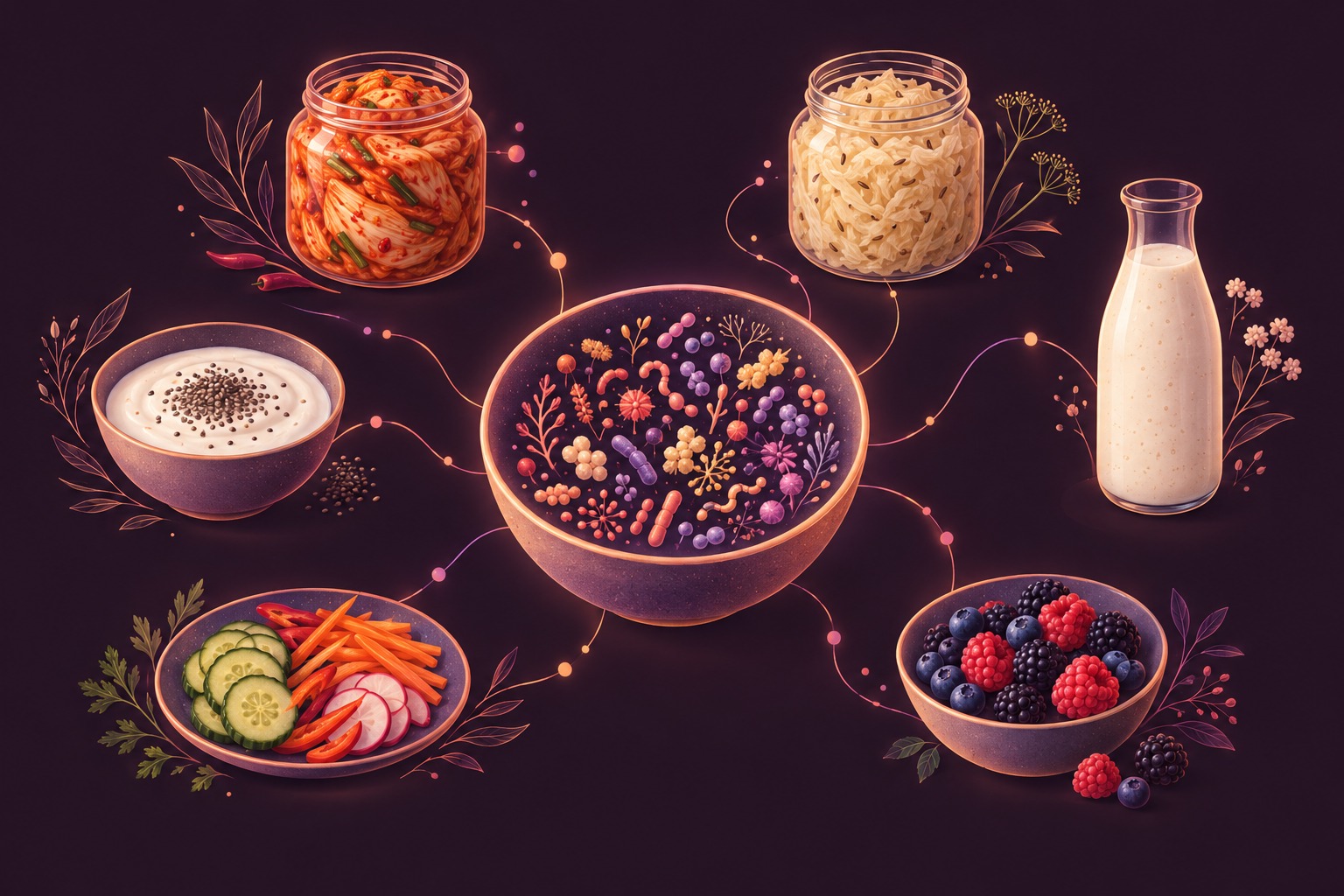
A varied spread of fermented foods paired with fibre-rich ingredients.
Diversity matters. Eating a range of fermented products helps build a more diverse internal ecosystem. Ben Greenfield, speaking at the Biohacker Summit 2017 Helsinki, recommends mixing ferments such as kimchi, sauerkraut, yogurt, and kefir. He also suggests “cooperative eating,” which involves pairing probiotic-rich foods with prebiotic fibre, such as chia seeds in yogurt or fibre-rich kimchi, to feed beneficial bacteria.
When choosing foods, consider if they are nutrient-dense and digestible.
The role of individualisation in gut optimisation
Individual microbiomes are 80% to 90% different, so a food or supplement that works for one person may not affect another (Ben Greenfield, Biohacker Summit 2017 Helsinki). Some people are “resistors,” whose digestive tracts do not allow certain standard probiotic strains to colonise.
Probiotics should not be universally given as a one-size-fits-all supplement. The future of health lies in tailoring probiotics to an individual based on their own unique gut microbiota. — Dr. Afsoun Khalili, Biohacker Summit 2018 Toronto
Research has explored personalised probiotics made from a person's own stool to help the microbiome rebound after antibiotic use. Gut bacteria also follow circadian rhythms; disruptions from jet lag or shift work can lead to dysbiosis and metabolic issues like glucose intolerance (Dr. Afsoun Khalili, Biohacker Summit 2018 Toronto).
Practical ways to integrate fermented foods into your diet
A healthy microbiome requires a broad nutrition and lifestyle approach:
- Diversify your ferments: Rotate kimchi, sauerkraut, and other options rather than eating only yogurt or kefir to get a variety of microbial strains (Ben Greenfield, Biohacker Summit 2017 Helsinki).
- Use spices: Turmeric, ginger, and cayenne benefit the biome; adding turmeric to yogurt is one way to combine spices with fermented foods (Ben Greenfield, Biohacker Summit 2017 Helsinki).
- Prioritise fibre: Fibre-rich foods and berries support bacterial diversity, while refined sugars and grains may increase inflammation (Ben Greenfield, Biohacker Summit 2017 Helsinki).
- Support with lifestyle: Regular, low-intensity activity supports beneficial gut bacteria; stress management and consistent sleep cycles help maintain a healthy microbial environment (Dr. Afsoun Khalili, Biohacker Summit 2018 Toronto).
Food works as part of a broader strategy; see Anti Inflammatory Lifestyle: Habits That Go Beyond Food.
The HOLOLIFE Summit 2026 Amsterdam takes place from 14–15 November 2026. Tickets range from the Explorer Pass at €157 to the Diamond VIP at €1,470.
FAQ
Do all fermented foods contain probiotics?
No. Many fermented foods contain live microorganisms, but probiotic status requires specific, characterised strains proven to provide health benefits.
What are the best probiotic foods for gut health?
Variety is necessary. Rotate kefir, yogurt, kimchi, and sauerkraut, and pair them with prebiotic fibre such as chia seeds.
How can I tell if a fermented food is probiotic?
Probiotic status requires scientific characterisation of the strains and documented health benefits.
Is it better to eat fermented foods or take probiotic supplements?
Fermented foods offer nutrients, bioactive compounds, and varied microbial strains, while supplements can provide specific, high-dose strains for a condition. The choice depends on individual needs and whether someone is a “resistor” to certain strains.
Sources
- Fermented foods: An update on evidence-based health benefits and future perspectives. Food research international (2022).
- Health benefits of fermented foods: microbiota and beyond. Current opinion in biotechnology (2017).
- Fermented foods: a perspective on their role in delivering biotics. Frontiers in microbiology (2023).
- Underlying evidence for the health benefits of fermented foods in humans. Food & function (2022).
- Probiotics and their fermented food products are beneficial for health. Journal of applied microbiology (2006).
- Fermented Foods in Canada: A Perspective on Research Evidence, Policy, and Future Priorities. Advances in nutrition (2026).
- Talk: “Probiotics - Are They Really Necessary”, Dr. Afsoun Khalili, Biohacker Summit 2018 Toronto (2018)
- Talk: “DECODING YOUR MICROBIOME - THE ULTIMATE GUT HACK”, Ben Greenfield, Biohacker Summit 2017 Helsinki (2017)
- Talk: “Optimizing Female Hormones With Food”, Silvena Rowe, Biohacker Summit 2023 Amsterdam (2023)
This article is for general information and is not medical advice.
In this story
Comments
Loading comments…