HOLOLIFE Longevity Côte d'Azur
The Science of Happiness and Its Impact on Longevity
By Teemu Arina · · Updated
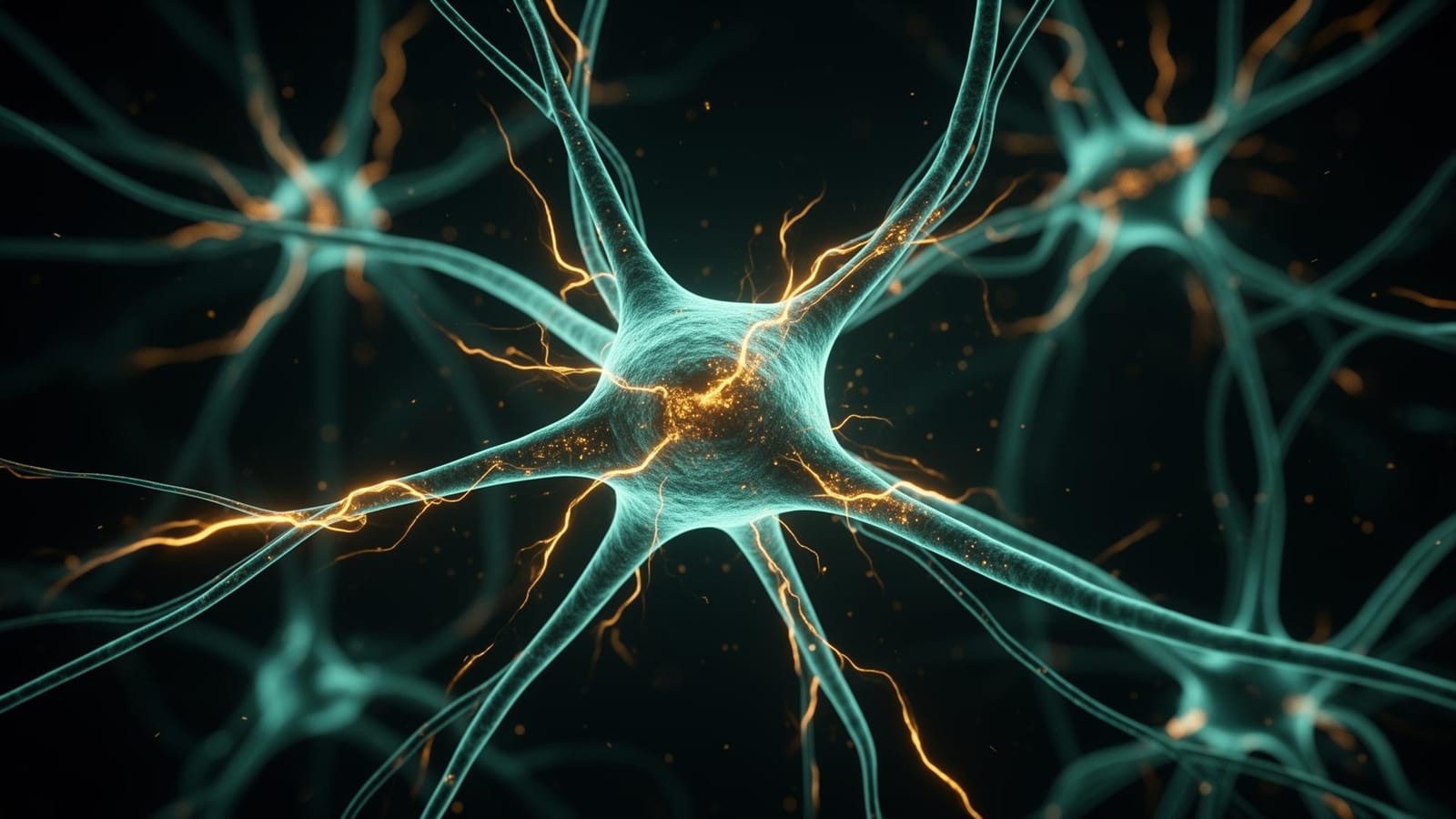
At Hololife Longevity Cote D'Azur In Nice, Dr. Axel Bouchon Argued That A Longer Life Meant Little Without A Richer One
At Hololife Longevity Côte d'Azur, held in Nice, France, on Thursday, 12 March 2026, Dr. Axel Bouchon delivered a clear and provocative message: longevity, if stripped of meaning, was too narrow a goal for modern medicine and modern life.
In his presentation, “The Science of Happiness and Its Impact on Longevity,” Bouchon, a neuroscientist, biochemist, author, entrepreneur, and co-founder and CEO of Matter Neuroscience, pressed the audience to rethink one of the central assumptions of the longevity movement. The question, he suggested, was not simply how long human beings could live, but how well, how deeply, and how joyfully.
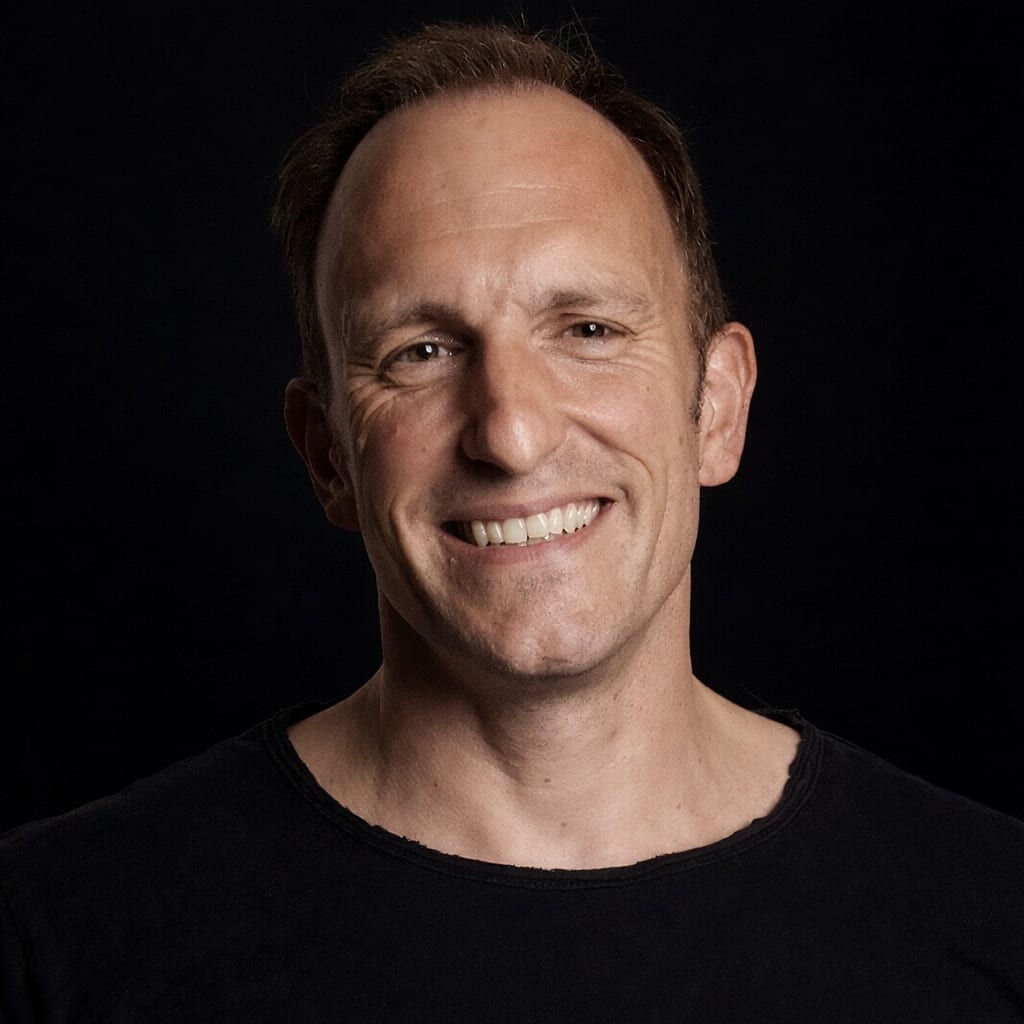
“Longevity cuts it too short. For us, a good life is long, healthy, and happy. The point of living richer must always be at the forefront,” he said.
The Brain Did Not Count Years. It Counted Meaning
Bouchon began by dismantling the authority of the clock. Humans, he argued, did not truly experience life through physical time. Minutes, hours, and years were learned abstractions. Biology cared about something else.
“The only thing our life is, is nothing else than a string of memories. Our brain uses biological time, attaching importance to what matters,” he said.
It was a striking frame for a longevity conference. Age, usually measured in birthdays and biomarkers, was recast as something more intimate and less mechanical. Life, in Bouchon’s telling, was not accumulated evenly. It expanded and contracted according to emotional significance.
A fleeting moment, if meaningful enough, could fill the mind with extraordinary density. A first kiss, a wave caught at exactly the right second, a moment of awe or terror or joy, these were not merely events. They were anchors in biological time.
Happiness Was Presented As A Powerful Protective Force
From there, Bouchon turned to one of the talk’s most arresting claims: happiness was not a decorative byproduct of health, but a driver of it.
Drawing on large epidemiological studies, he said positive emotional states could extend disease-free longevity by ten to fifteen years. Even for people who shifted into a happier state later in life, after the age of 55, the gain could still be substantial, between six and eight additional years.
He framed this evidence with the blunt admiration of someone who had spent decades in pharmaceutical innovation.
If these findings held, happiness was not simply good advice. It was, in effect, one of the most powerful interventions available.
He also pointed to reduced risk across inflammatory conditions and suggested that the absence of happiness was too often treated as a soft concern in a field obsessed with hard metrics.
Emotional Learning Marked The Line Between Humans And Machines
Bouchon’s argument widened beyond health into cognition, identity, and the limits of artificial intelligence. Human beings, he said, learned in two radically different ways. One was repetition, the domain of drills, rules, and patterned recall. The other was emotional significance.
That second form of learning, he argued, was uniquely human.
A person did not need to repeat a transformative event in order to remember it. One experience, if emotionally charged, could be retained for life. This was not data processing in the computational sense. It was lived significance, encoded in the body and brain.
AI, by contrast, could mimic patterns and process massive data streams, including omics datasets and behavioural correlations. But in Bouchon’s formulation, it could not inhabit experienced reality. It could not feel the first kiss, the grief, the gratitude, the relief. It could not know why one memory mattered more than another.
That distinction was not philosophical ornament. For Bouchon, it was central to any credible science of well-being.
Matter Neuroscience Sought To Map Happiness In The Brain
Bouchon then outlined the work of Matter Neuroscience, the company he co-founded after senior innovation roles at Bayer and Moderna. The ambition was both scientific and practical: to identify biomarkers for happiness and translate neuroscience into tools people could use in daily life.
Using 7 Tesla fMRI mapping, the company sought to build what he described as a map of human happiness, tracing specific emotional states to combinations of neurotransmitters and receptor systems in the brain.
Among the most significant findings he described were the roles of gratitude and contentment, emotions he portrayed not as sentimental luxuries but as advanced evolutionary achievements. These states, he said, were linked to pathways involving social chemistry, including oxytocin, cannabinoid receptors, and even systems associated with psychedelic biology.
The force of the idea lay in this: some of the most sophisticated forms of well-being did not depend on constant stimulation, competition, or external approval. The brain, if properly tuned, could generate fulfillment even in solitude.
“If we are grateful and content, we get everything. Our brain is happy. We have developed a mechanism to be happy with ourselves,” he said.
The Longevity Triangle Extended Beyond Medicine
Bouchon proposed what he called a broader vision of the “longevity triangle”: living long, living healthy, and living happy. The goal was not to trade one side against another, nor to mistake lifespan for flourishing.
This framework joined deep diagnostics with neurofeedback and behavioural insight, aiming to move from passive measurement to active cultivation. In practice, that meant paying attention not only to physical health markers, but also to emotional richness, memory formation, and the quality of subjective experience.
One of his more intriguing claims concerned self-reporting. If a person captured their emotional state within the first three seconds of an experience, he said, that immediate subjective signal could be as informative as a high-resolution brain scan. Before social conditioning stepped in, before the mind began revising and censoring itself, there was often a brief window of honesty.
The implication was radical in its simplicity: listening closely to oneself, and quickly, might be a form of diagnostic precision.
Freedom, Identity, And The Stakes Of A Meaningful Life
By the end of the talk, Bouchon had moved beyond neurochemistry into a more moral register. The science of happiness, as he described it, was not only about pleasure or stress reduction. It was about agency.
“Anything that is stealing your freedom to decide what you like is stealing who you are as a human. That is the most important message,” he said.
In that formulation, addiction became more than dependency. It became a shortcut that robbed the brain of its chance to learn meaning from real experience. Identity itself depended on the freedom to discover what mattered, rather than being chemically or culturally dragged toward counterfeit rewards.
That was why, for Bouchon, the idea of a rich life remained larger than the idea of a long one.
“The idea of longevity is one thing. A rich life is something different,” he said.
A Scientific Case For Joy
There was something quietly defiant in the way Bouchon presented happiness to a room primed for metrics, interventions, and lifespan strategies. He did not offer it as a vague aspiration or a wellness slogan. He offered it as a measurable biological force, one with consequences for disease, memory, and survival itself.
His argument suggested that the future of longevity science might depend on catching up with something older than medicine and more difficult to quantify than bloodwork: the possibility that a human life was not best understood by how long it lasted, but by how much meaning the brain found worth remembering.
Frequently asked questions
What is Bouchon's main claim about longevity?
That a longer life means little without a richer one: happiness and meaning are protective biological forces, and medicine that ignores them is aiming too low.
What does Matter Neuroscience do?
Maps happiness in the brain, using neuroscience to measure and understand what makes people feel good so that it can be trained and protected, not left to chance.
What is the longevity triangle?
Bouchon's three goals that should not be traded against each other: living long, living healthy and living happy. His framework joins deep diagnostics with neurofeedback and behavioural insight, including a claim that an emotional state captured in the first three seconds of an experience can be as informative as a brain scan.
About the event
This recap is part of the HOLOLIFE Longevity Côte d'Azur series, recorded in Nice on 12 March 2026. Read the summary of the whole day or join the next edition, HOLOLIFE Summit 2026 Amsterdam, on 14 and 15 November 2026.
In this story

Comments
Loading comments…