Gut microbiome in early life crucial for lifelong health, expert warns
By Teemu Arina · · Updated

Microbiome scientist highlights 'invisible extinction' of gut bacteria at international health summit
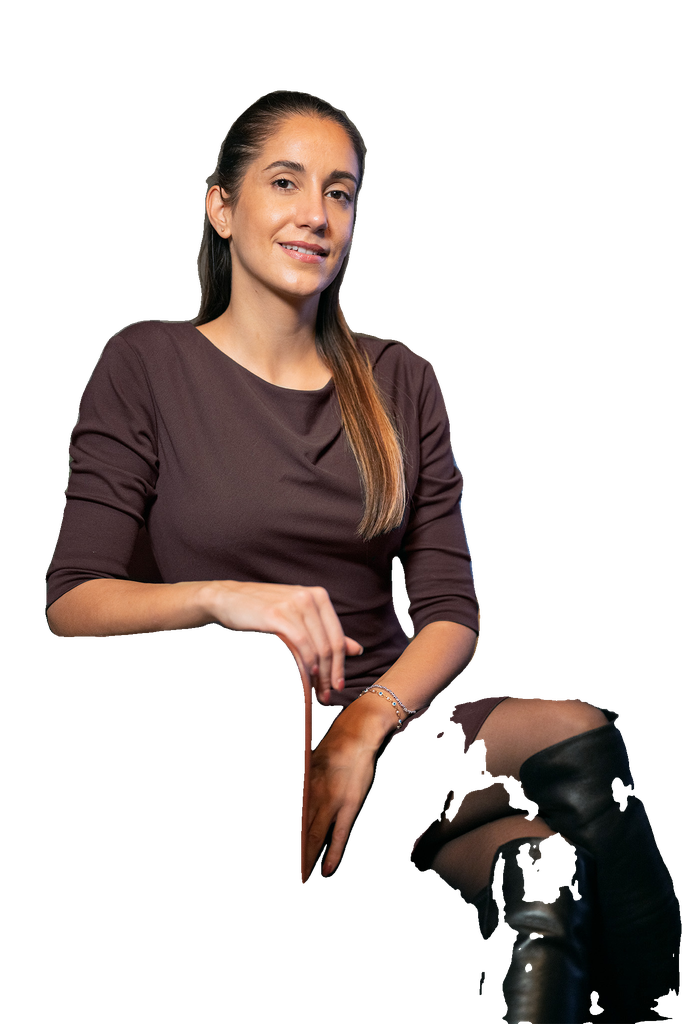
The first few years of life are critical for establishing the gut microbiome that will influence health outcomes for decades to come, according to microbiome expert Nora Cavani, who delivered a compelling presentation at the HOLOLIFE Summit in Tallinn, Estonia this weekend.
Speaking to a packed audience on Saturday at the prestigious health conference, Cavani described how modern lifestyle factors are contributing to what scientists call an "invisible extinction" of beneficial gut bacteria, potentially driving the alarming rise in chronic diseases worldwide.

"Instead of just suppressing symptoms, I believe we can stop chronic diseases by understanding their roots and improving our health care approach," Cavani told attendees at the three-day summit, which brought together health innovators from across Europe.
The critical window of microbial colonisation
Cavani, who leads Alba Health, a company specialising in children's gut microbiome analysis, explained how the human gut is sterile at birth before being colonised by microbes from the mother, environment, and early foods. This initial colonisation pattern, she argued, has profound implications for future health.
"The microbes we acquire in our early years shape our health for life, influencing allergies, asthma, obesity, and more," said Cavani, citing research from Professor Willem de Vos of the University of Helsinki, who has found that early microbiome testing can predict future allergy risk.
According to Cavani, modern practices including C-section deliveries, formula feeding, overuse of antibiotics, and ultra-processed diets are disrupting this crucial developmental process. She referenced Stanford Medicine research indicating that 90% of American babies now lack specific bacteria essential for immune system development.
Modern lifestyle driving microbial diversity loss
Perhaps most concerning was Cavani's discussion of what scientists term the "invisible extinction" occurring within our bodies – a parallel to the biodiversity loss happening in the external environment.
"Your gut holds more microbes than stars in the Milky Way; you are a complex superorganism whose harmony must be preserved to maintain health," she explained during a guided reflection exercise that encouraged attendees to consider their relationship with their internal microbiome.
The consequences of this diminishing diversity appear far-reaching. Cavani highlighted research suggesting connections between gut microbiome composition and numerous chronic conditions including allergies, asthma, eczema, obesity, and even aspects of ageing.
In a striking example, she referenced recent analysis of the gut microbiome of a woman who lived to 117 years, which revealed microbial characteristics similar to those of a child – suggesting potential connections between microbiome preservation and longevity.
Data-driven approaches to intervention
The presentation also detailed how Alba Health is working to address these challenges through research-grade testing for children and personalised interventions based on nutritional changes and targeted probiotics.
Cavani explained that her company has built on longitudinal data from multiple universities, including a six-year study that followed 1,000 infants, collecting microbiome samples to determine which patterns correlated with health versus chronic conditions.
"We're the first and only company with a clinical study on child gut health," she noted, adding that Alba Health has collected over 300,000 data points on gut microbiome, lifestyle, and health outcomes.
Simple solutions to complex problems
Despite the sophisticated science underpinning her work, Cavani's practical recommendations were refreshingly straightforward. She emphasised dietary fibre as the single most important factor for adult gut health.
"The number one tip for a healthy gut is to eat lots of fibre, which fuels your gut microbes and supports your overall wellbeing," she advised, noting that 90% of people in western countries are fibre-deficient, with 97% of American men failing to consume adequate amounts.
She challenged audience members to aim for 30 different sources of fibre weekly, explaining that most people typically consume fewer than 10. Sources include vegetables, fruits, nuts, seeds, and whole grains.
The three-day HOLOLIFE Summit, which concludes today in the Estonian capital, has featured numerous presentations on emerging health technologies and preventative approaches to chronic disease.
Cavani's talk struck a particular chord with attendees, many of whom could be seen discussing gut health approaches during the subsequent networking sessions. As chronic disease rates continue to rise globally, her message about the foundational importance of early-life microbiome development may represent an important shift in how we approach both prevention and treatment.
Frequently asked questions
Why is early life critical for the gut microbiome?
Nora Cavani explained that the human gut is sterile at birth and then colonised by microbes from the mother, the environment and early foods. That first colonisation pattern, she argued, shapes health for life, influencing allergies, asthma and obesity.
What is the invisible extinction?
Cavani's term for the loss of microbial diversity inside our bodies, a parallel to the biodiversity loss happening in the external environment and driven by modern lifestyle factors. Her framing was that your gut holds more microbes than there are stars in the Milky Way.
What data underpins her work?
Cavani leads Alba Health, which offers research-grade testing for children and personalised interventions through nutrition and targeted probiotics. The company builds on longitudinal data from multiple universities, including a six-year study that followed 1,000 infants.
About the event
This recap is part of the HOLOLIFE Summit 2025 Europe series, recorded in Tallinn on 14 and 15 June 2025. Read the summary of the whole event or join the next edition, HOLOLIFE Summit 2026 Amsterdam, on 14 and 15 November 2026.
In this story

Comments
Loading comments…