Beyond biohacking: Japan poised to lead health optimization revolution, says wellness pioneer
By Teemu Arina · · Updated
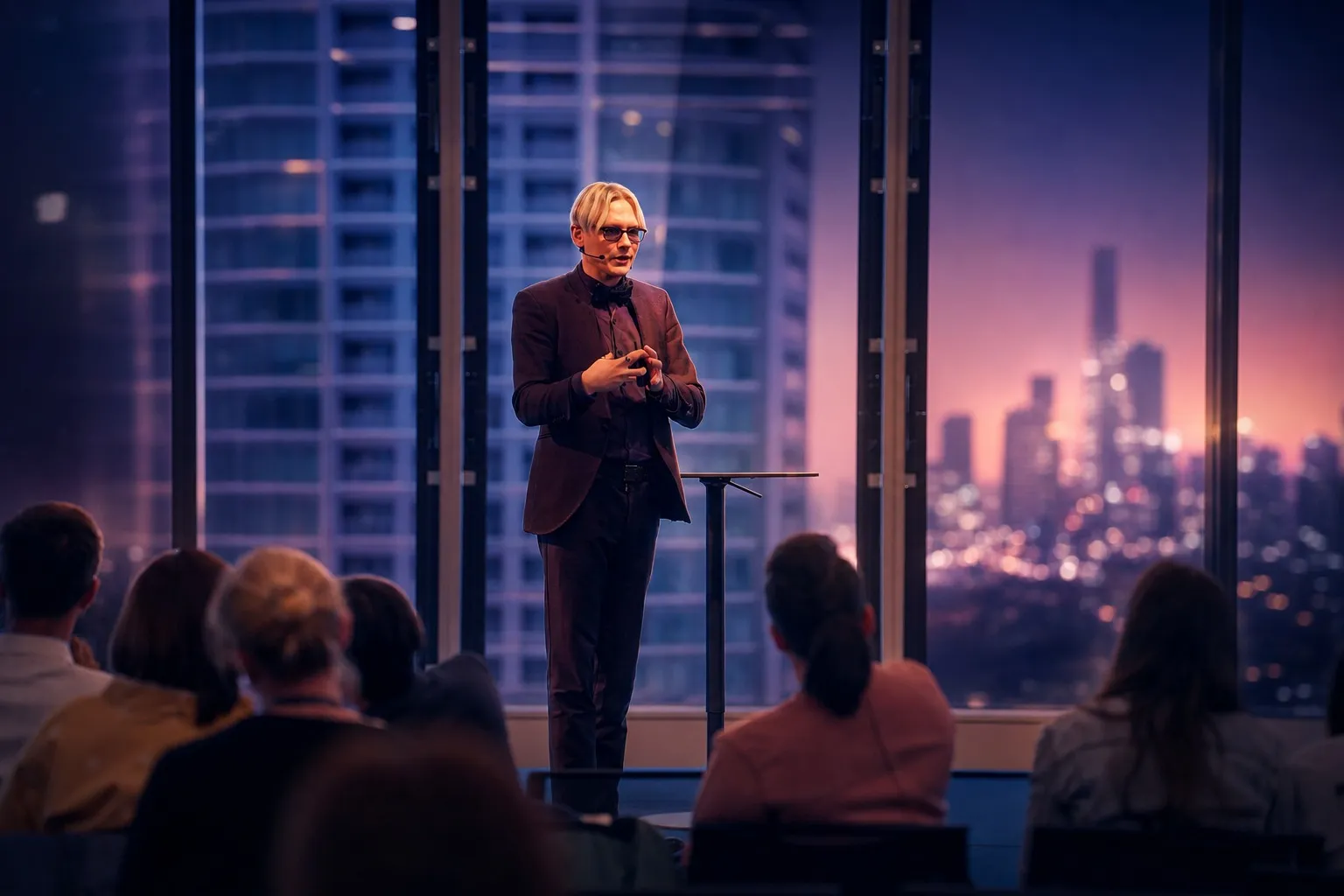
Teemu Arina heralds shift from extreme wellness tactics to balanced 'hololife' approach at Tokyo summit
At the inaugural Hololife Summit in Tokyo last Thursday, biohacking pioneer Teemu Arina unveiled his vision for the future of personal health optimization—one that moves beyond the sometimes controversial term "biohacking" toward a more holistic and balanced approach he calls "hololife."
Speaking to an audience of health practitioners, tech innovators, and wellness enthusiasts gathered at the three-day event, Arina explained why he has moved away from the terminology that helped establish his reputation over a decade ago.
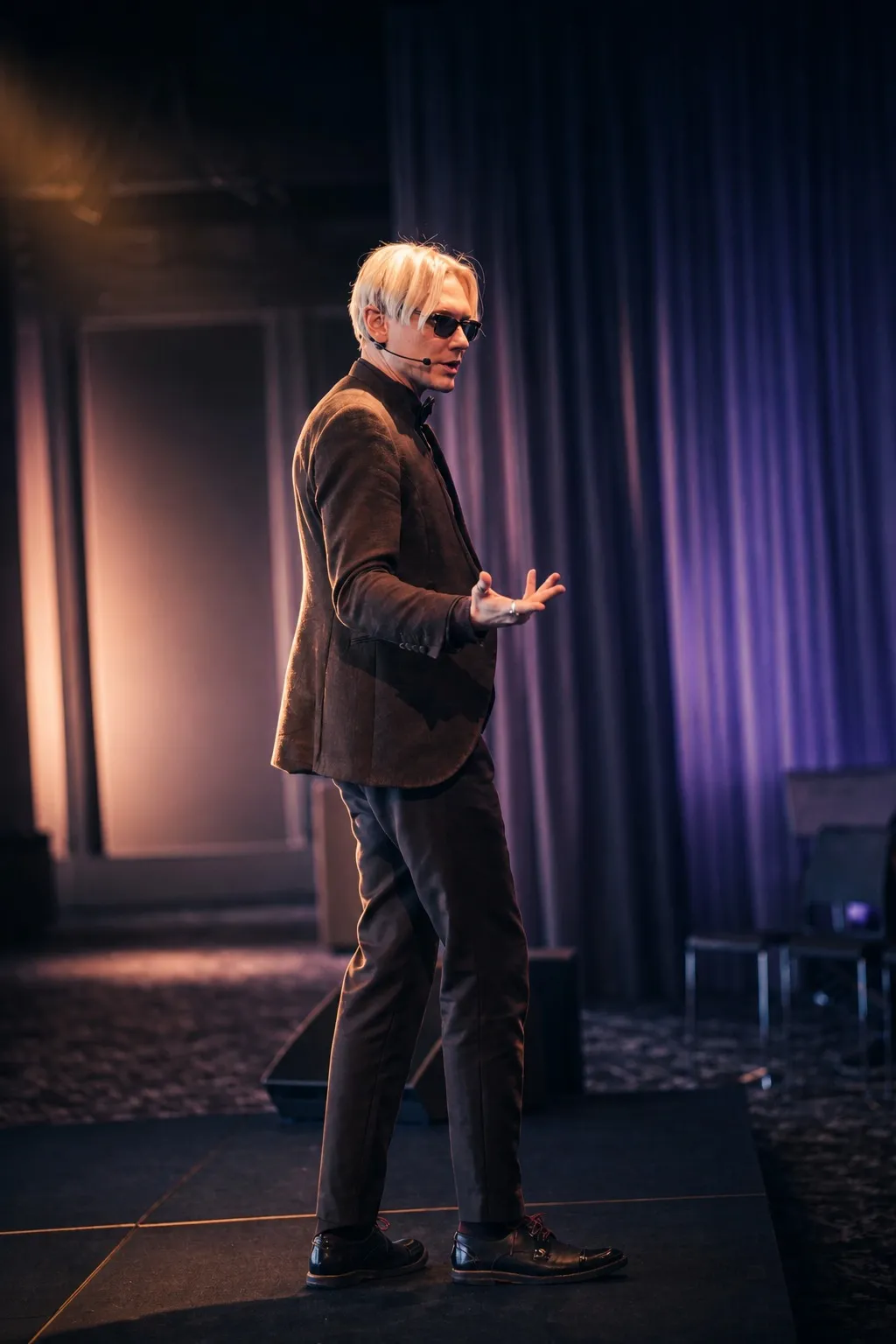
"Words create our reality. For someone who's never heard the word 'biohacking,' it can sound inaccurate: hacking suggests breaking into a system, often illegal," Arina told attendees. "Today, 'biohacking' is associated with biotechnology, bioweapons—false associations, of course. So I sought a term that better describes this lifestyle."
From reactive healthcare to proactive wellness
Arina, who authored the Biohacker's Handbook and has been organizing wellness summits for over a decade, positioned the growing wellness movement as a necessary counterbalance to what he described as reactive "sick care" systems dominating modern healthcare.
"One story of biohacking is 'healthspan'—the number of healthy years, not just total lifespan," he explained. "If you don't make space for wellness, you'll be forced to make space for illness."
The Finnish health entrepreneur presented striking economic figures, noting that the global wellness economy now stands at $6.3 trillion—60% the size of healthcare and larger than pharmaceuticals. While Europe spends just 0.65% on prevention, chronic disease management costs continue to soar worldwide.
"Young generations want something different," Arina said. "They have access to information and want new systems for health that solve root problems like obesity and degenerative diseases—where current measures have failed."
Japan's unique position at the nexus of tradition and technology
A significant portion of Arina's presentation focused on why Japan is uniquely positioned to become a global leader in ethical, balanced health optimization approaches.
"Asia Pacific combines Ayurveda, Chinese medicine, Japanese Ganpo, dietary traditions, and nature connection—not just pharmaceuticals and injections," he explained. "Japan has regulatory advantages for traditional remedies. While Europe restricts new products and health claims, Japan has over a thousand approved functional products."
He highlighted Japan's Foshu (Foods for Specified Health Uses) regulatory system as pioneering, with 94% of Japanese consumers recognizing this framework. This cultural emphasis on health is reflected in government studies showing that 97% of Japanese people choose health as the most important thing in their lives—even above work and other passions.
Japanese wellness practices like forest bathing (shinrin-yoku), onsen bathing, and the concept of ikigai (life purpose) were presented as traditional wisdom that complements cutting-edge technology adoption.
The rise of personalized wellness technology
The growing market for at-home wellness devices—including red light therapy, magnetic field therapy, recovery systems, and sleep technology—represents one of the fastest-expanding sectors in the wellness economy.
"Consumers age 30-45 drive biohacking adoption, recognizing aging signs and adopting supplements, diets, and tech," Arina noted, adding that approximately 65% use wellness tech at least three times per week.
Japan's tech-savvy population appears particularly receptive to these innovations, with Arina reporting that 74% have purchased wellness products online, 69% use health data apps, and 44% connect three or more devices to health dashboards.
From perfection to practical optimization
Perhaps most surprisingly, Arina cautioned against the extreme optimization portrayed by some wellness influencers online.
"Biohacking can become extreme, with characters online claiming perfect optimization—but it's marketing and idealized identity. Most people aren't living that way, and neither are those influencers," he said.
Instead, he advocated for finding the "20% that yields 80% of improvement" as a more practical approach, emphasizing that true mastery in health optimization is personalized, adaptive, and focused on consistent lifestyle practices rather than rigid routines.
"In martial arts, we imitate masters to learn—but real mastery is when you create your own art, adaptable to the moment," Arina said.
The future: AI-driven predictive health
Looking ahead, Arina revealed that his team has developed an artificial intelligence system trained on a decade of research data that can provide personalized health recommendations.
"AI-driven, preventive, and personalized health is the future: machines understand complexity beyond human capacity," he explained, inviting attendees to try a new application that can analyze food, supplements, and personal biomarkers in real time.
The market for such personalized health technologies could reach over $100 billion by 2034 in Japan alone, according to Arina's projections.
As the Hololife Summit continues through Saturday in Tokyo, it marks not just a rebranding of the biohacking movement but potentially a significant shift in how we approach health optimization—one that balances technological innovation with traditional wisdom and seeks to enhance quality of life in the present moment rather than merely extending lifespan.
"It's about living and making changes right now—in the present moment," Arina concluded.
Frequently asked questions
What does Teemu Arina mean by hololife?
Arina used the Tokyo summit to move beyond the term biohacking towards what he calls hololife: a more holistic and balanced approach to health optimization. The framing centres on healthspan, the number of healthy years, rather than total lifespan, and positions wellness as a counterbalance to reactive sick care.
Why does he see Japan as well positioned?
Arina argued that Asia Pacific combines Ayurveda, Chinese medicine, Japanese Ganpo, dietary traditions and nature connection rather than relying on pharmaceuticals and injections, and that Japan holds regulatory advantages for traditional approaches. That combination, he said, suits ethical and balanced health optimization.
Who is actually driving biohacking adoption?
Arina pointed to consumers aged 30 to 45, who recognise the first signs of aging and adopt supplements, diets and technology, with roughly 65% using wellness devices. He also cautioned against the perfect-optimisation image sold by some influencers, which he called marketing and idealised identity.
About the event
This recap is part of the HOLOLIFE Summit 2025 Tokyo series, recorded in Tokyo on 10 and 11 October 2025. Read the summary of the whole event or join the next edition, HOLOLIFE Summit 2026 Amsterdam, on 14 and 15 November 2026.
In this story
Comments
Loading comments…