Clothing company promises to unlock human potential through mineral-infused apparel
By Teemu Arina · · Updated
Japanese firm Relife targets global expansion after overcoming years of scepticism to achieve £850m in sales
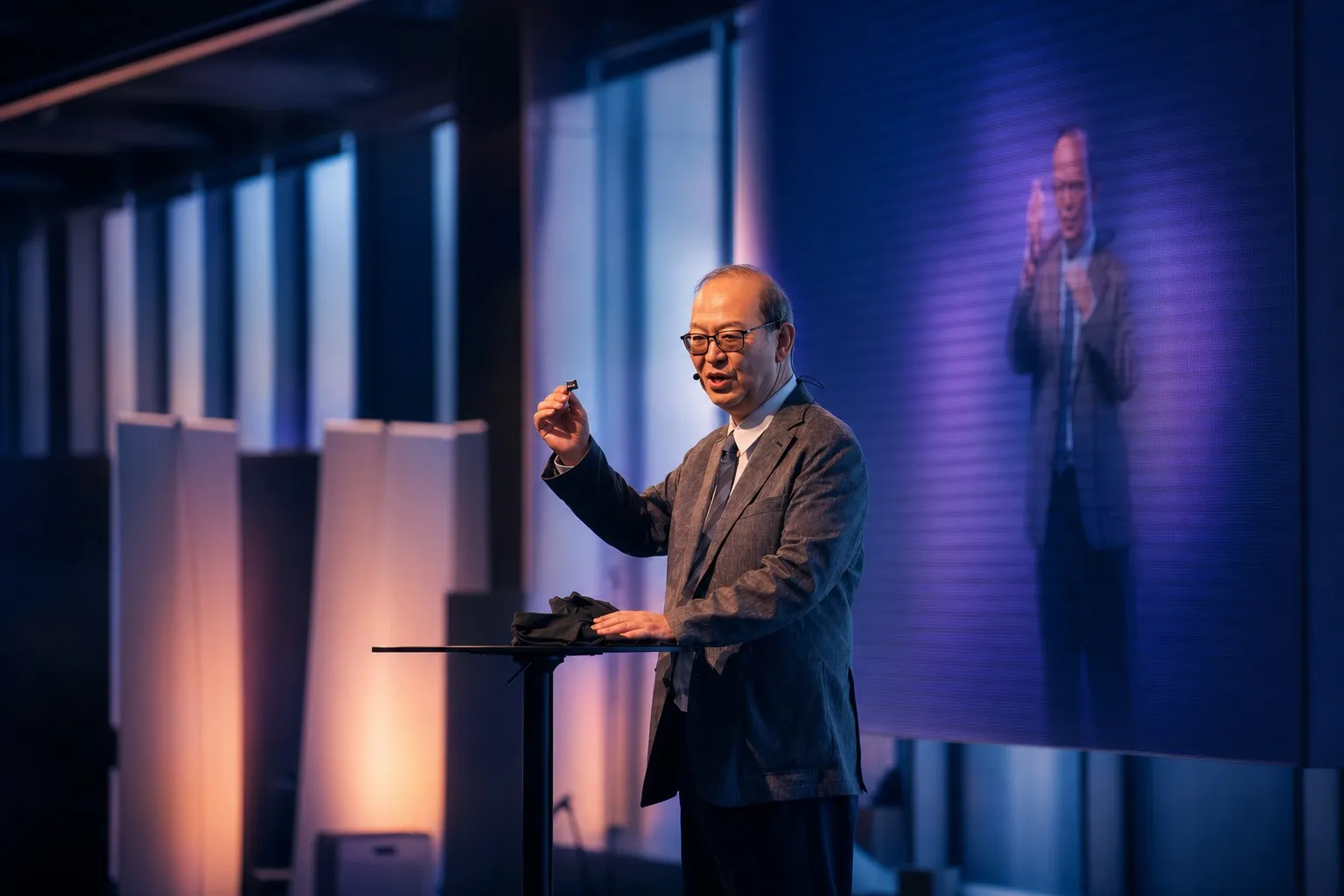
The chief executive of Relife, a Japanese company manufacturing performance-enhancing apparel, demonstrated his product's capabilities at the Hololife Summit 2025 Tokyo by defeating a volunteer in an arm wrestling match after appearing to lose initially. Takashi Sasaki's theatrical presentation underscored his company's central claim: that wearing their specially designed clothing can immediately improve physical strength, flexibility and blood circulation.
Relife produces shirts, caps and belts embedded with powdered minerals positioned along the body's muscle lines and meridian points. According to Sasaki, these garments enable wearers to access their latent physical potential simply by putting them on. The company has sold over four million pieces in Japan and achieved sales of 155 billion yen (approximately £850m) as of July 2023.
From martial arts to minerals
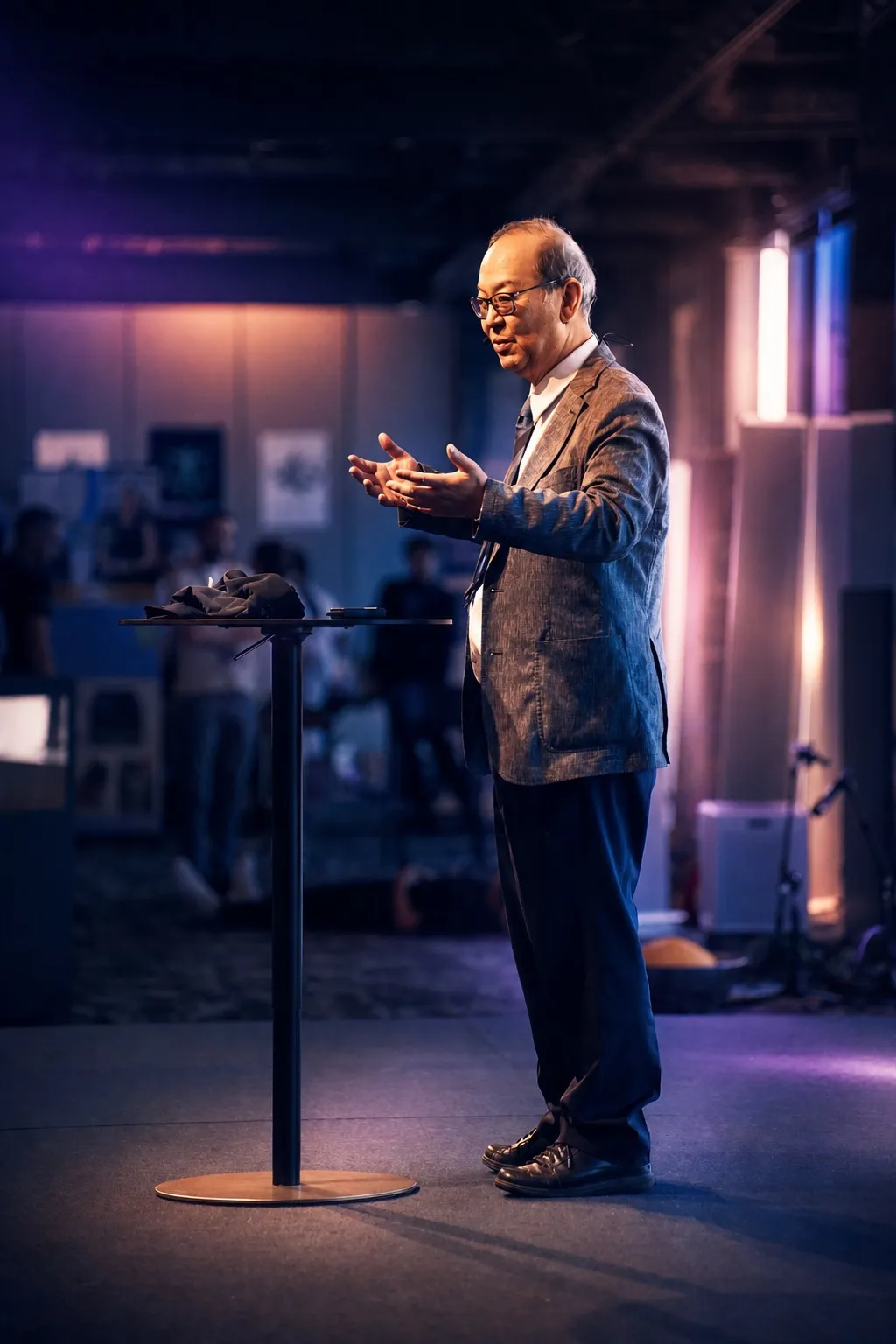
Sasaki traced his interest in human potential to his own childhood health struggles. Describing himself as physically weak and unable to participate actively in sports, he sought ways to improve his condition through martial arts techniques. This personal journey led him to develop what he considers methods for rapidly enhancing human capabilities.
At the summit, Sasaki conducted live demonstrations with audience volunteers, showing apparent improvements in their strength and flexibility after brief interventions. Whilst acknowledging that some observers find his claims suspicious, he insisted the effects are genuine.
"These are real results," Sasaki said during the presentation. "Our bodies hold tremendous potential in flexibility, strength and various other capacities. My life's work is discovering how to unlock these capabilities, and how to do so instantly."
Professional athletes embrace the technology
The company has gained traction in Japan's professional sports community. Players in the B.League, Japan's professional basketball competition, have adopted Relife's products. The company recently developed a condensed version of their technology in small tags that athletes can attach to their bodies during matches.
Sasaki presented a belt incorporating these tags, claiming it produced a 28.4% improvement in blood circulation based on unspecified evidence. The product targets not only athletes but also those engaged in physically demanding work and elderly people seeking to maintain quality of life.
Three years of struggle before breakthrough
Despite the apparent effectiveness Sasaki claims for his products, Relife faced significant commercial challenges in its early years. The company struggled to generate sales for three years, a period Sasaki described as deeply difficult.
"The effects were so pronounced that people became suspicious and wouldn't purchase our products," Sasaki explained. "We endured a truly challenging three-year period."
The turning point came after the company appeared on a popular Japanese television programme. The exposure dramatically increased brand recognition and consumer willingness to try the products. Once people experienced the effects firsthand, acceptance grew rapidly.
"This business becomes extremely large once awareness spreads and people can experience the effects for themselves," Sasaki noted. "After those difficult times, many people now accept our products."
Global ambitions and expansion plans
Building on domestic success, Relife is pursuing international expansion. Sasaki spoke at the C3 Summit in New York the previous year and announced plans to enter markets in North America, the Middle East and Indonesia. However, he acknowledged that European expansion has not progressed as hoped.
The company operates within the broader wellness industry, which Sasaki characterised as experiencing significant growth. He positioned Relife's products as particularly relevant for ageing societies, where elderly people could benefit from improved mobility and enhanced quality of life.
Sasaki set ambitious targets for the company's future, aiming to increase Japanese sales from the current 155 billion yen to 2 trillion yen (approximately £11bn). He expressed confidence that international markets could achieve similar scale, though he emphasised the need for partnerships and local expertise.
"I cannot accomplish this alone," Sasaki admitted. "I don't speak English, and I need your help."
Summit attendees offered product trials
At the summit, Sasaki invited attendees to register for special programmes offering opportunities to experience Relife products and engage in business discussions. He promised participants an unprecedented experience, noting that millions of people in Japan had already tried the company's offerings.
The presentation reflected broader trends in the wellness and wearable technology sectors, where companies increasingly claim to enhance human performance through innovative materials and designs. Relife's approach of embedding minerals in clothing positioned along meridian points draws on traditional Chinese medicine concepts whilst presenting the products as modern performance enhancers.
The company's dramatic sales growth following television exposure illustrated both the challenges of marketing unfamiliar technologies and the potential for rapid adoption once consumer scepticism is overcome. Whether Relife can replicate its Japanese success in international markets remains to be seen, but Sasaki's presentation made clear his determination to pursue global expansion aggressively.
Frequently asked questions
What does Relife's mineral-infused apparel claim to do?
Relife produces shirts, caps and belts embedded with powdered minerals positioned along the body's muscle lines and meridian points. Chief executive Takashi Sasaki claims that wearing them immediately improves physical strength, flexibility and blood circulation, a claim demonstrated on stage rather than established in peer-reviewed trials.
How large is Relife's business in Japan?
Sasaki said the company had sold over four million pieces in Japan and reached sales of 155 billion yen, roughly £850m, as of July 2023. His stated target is to lift Japanese sales to 2 trillion yen, about £11bn, while expanding into North America, the Middle East and Indonesia.
Why did the company struggle in its early years?
Sasaki said Relife could barely generate sales for three years because the claimed effects were so pronounced that people became suspicious and would not buy. The turning point came after an appearance on a popular Japanese television programme, which lifted brand recognition and made consumers willing to try the products.
About the event
This recap is part of the HOLOLIFE Summit 2025 Tokyo series, recorded in Tokyo on 10 and 11 October 2025. Read the summary of the whole event or join the next edition, HOLOLIFE Summit 2026 Amsterdam, on 14 and 15 November 2026.
In this story
Comments
Loading comments…