The missing link in modern health: How light deficiency affects our longevity
By Teemu Arina · · Updated
Red light pioneer highlights the neglected connection between sunlight, gut health and brain function
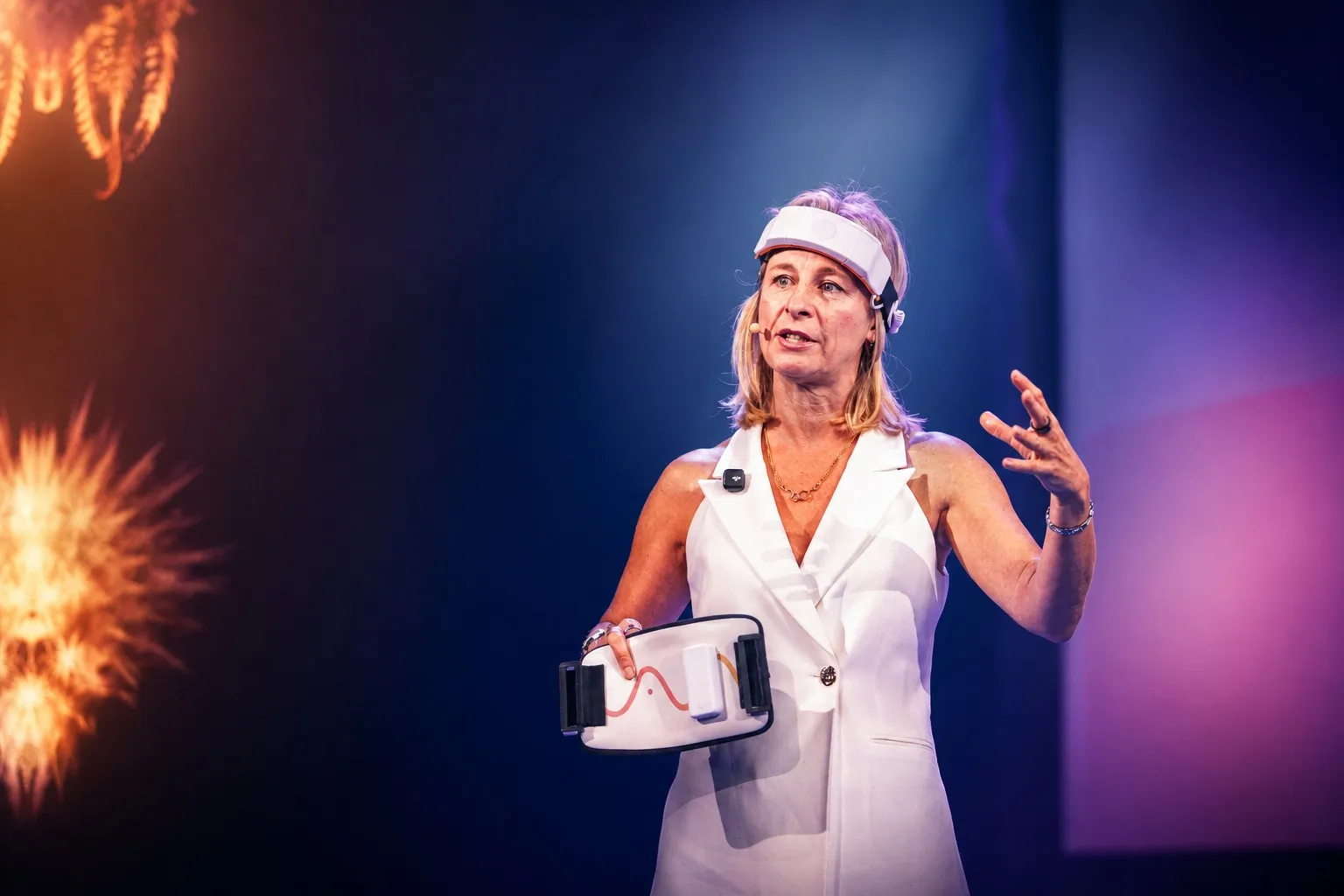
At last weekend's HOLOLIFE Summit in Tallinn, Estonia, photobiomodulation specialist Sarah Turner delivered a compelling presentation on how our modern indoor lifestyles may be depriving us of crucial light frequencies necessary for optimal health and longevity.
Turner, CEO of neurotech company CeraThrive, argued that the absence of near-infrared light in our daily lives represents an overlooked crisis that impacts everything from gut function to brain health – a condition she terms "Reduced Infrared Spectrum Exposure" (RISE) syndrome.
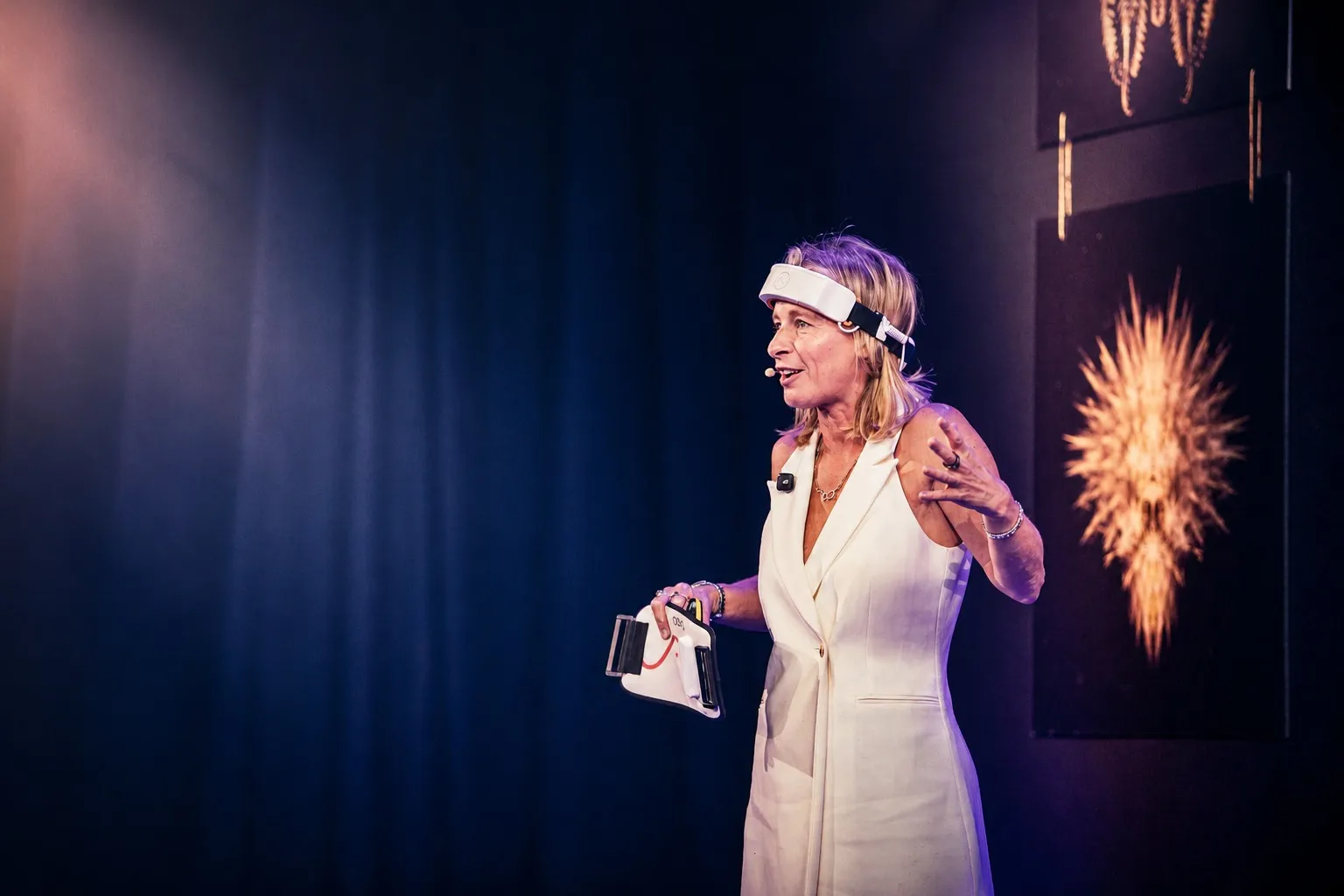
"Most people are operating on a severe deficiency of long wave near infrared light because modern lifestyles keep us indoors away from natural sunlight at sunrise and sunset," Turner told the audience at the three-day event dedicated to holistic health approaches.
The evolutionary connection to light
Turner's presentation traced the relationship between humans and light back to our evolutionary origins, explaining that mitochondria – the cellular powerhouses essential for energy production – evolved from bacteria that utilized near-infrared light from the sun.
"Our mitochondria evolved from bacteria that used near infrared light for energy, so our bodies still rely on these wavelengths for optimal function," Turner explained. She noted that while much attention has been paid to the harmful effects of blue light from screens, the health consequences of insufficient exposure to red and near-infrared light have been largely overlooked.
According to Turner, humans have been Homo sapiens for approximately 200,000 years, but have only lived predominantly indoor lifestyles for the past 150 years – a minuscule fraction of our evolutionary history. This rapid change, she argues, has created a mismatch between our biological needs and modern environments.
The gut-brain axis: A critical connection
A significant portion of Turner's talk focused on the intricate relationship between gut health and brain function, emphasizing that maintaining cognitive health through aging requires prioritizing gut integrity.
"The gut and brain are a connected system; protecting brain health means prioritizing gut health, as the gut influences inflammation, neurotransmitters, and immunity," Turner said.
She outlined four key components of this gut-brain connection: the vagus nerve (which transmits more signals from gut to brain than vice versa), chemical messages (with 90% of neurotransmitters produced in the gut), the immune system (70% of which resides in the gut), and the microbiome.
Turner warned that light deficiency contributes to increased gut permeability – commonly known as "leaky gut" – which can progress to compromise the blood-brain barrier if left unaddressed.
"Leaky gut caused by lack of near infrared light and toxins leads to inflammation that can progress to leaky brain and neurodegeneration if untreated," she cautioned.
Ancient wisdom meets modern technology
What makes Turner's approach noteworthy is how it bridges ancestral practices with contemporary science. She pointed out that many ancient cultures, from Vikings to Druids to practitioners of Indian traditions, incorporated sunlight worship and fire-based rituals that would have exposed them to beneficial near-infrared light.
"Whether you call it fire, sunlight, or something else, this is not new knowledge," Turner noted. "This is ancient wisdom, and we're rediscovering it and packaging it in a scientific way."
The solution Turner proposes – photobiomodulation through red light therapy devices – aims to compensate for the light deficiency inherent in modern lifestyles. Her company has developed portable devices that deliver specific wavelengths of red and near-infrared light to target both the gut and brain simultaneously.
Case studies and practical applications
Turner shared several case studies, including a Parkinson's trial where patients experienced significant improvements in cognitive function and personality after three months of red light therapy. She also discussed a woman suffering from functional pain syndrome and irritable bowel syndrome (IBS) who became symptom-free after consistent red light treatment.
"Red light therapy restores deficient wavelengths, boosting cellular energy, reducing inflammation, repairing gut barrier, and enhancing cognitive function—delivering profound healing effects," Turner explained.
While acknowledging that natural sunlight remains the optimal source of these beneficial wavelengths, Turner emphasized the practical challenges of getting sufficient exposure in modern life, particularly in northern countries like Estonia and her native UK, where sunrise can occur as early as 4 am during summer months.
Implications for longevity research
In a conference heavily focused on extending human lifespan, Turner posed a provocative question: "Who wants to live to 180 with dementia?" Her point resonated with the audience – longevity without preserved brain function offers limited appeal.
Turner suggested that addressing light deficiency could be a simple yet powerful intervention in the quest for not just longer lives, but healthier, more cognitively intact ones. By supporting mitochondrial function, reducing inflammation, and strengthening the gut-brain connection, red light therapy may address some of the fundamental mechanisms of aging.
As the HOLOLIFE Summit continues through the weekend, Turner's presentation has sparked discussions about how something as fundamental as light exposure might be integrated into comprehensive longevity protocols. In a field often dominated by complex pharmaceutical interventions and cutting-edge biotechnology, Turner's emphasis on restoring natural environmental inputs offers a refreshingly accessible approach to health optimization.
"If we're going to live a long time," Turner concluded, "let's do it with good brains, because we're going to need people who can work, solve problems, and push humanity forward."
Frequently asked questions
Why does near-infrared light matter?
Sarah Turner, chief executive of CeraThrive, argued that mitochondria evolved from bacteria that used near infrared light from the sun, so our bodies still rely on those wavelengths for optimal function. Modern indoor life removes them, which she frames as an overlooked deficiency rather than a minor gap.
What is the gut-brain connection in her talk?
Turner argued that protecting brain health means prioritising gut health, because the gut influences inflammation, neurotransmitters and immunity. She treats the two as one connected system rather than separate targets, which shapes where and how light therapy is applied.
Is any of this actually new?
Turner pointed out that many cultures, from Vikings to Druids to Indian traditions, built sunlight worship and fire-based rituals into daily life, which would have delivered beneficial near infrared exposure. In her words, this is not new knowledge, only newly measured.
About the event
This recap is part of the HOLOLIFE Summit 2025 Europe series, recorded in Tallinn on 14 and 15 June 2025. Read the summary of the whole event or join the next edition, HOLOLIFE Summit 2026 Amsterdam, on 14 and 15 November 2026.
In this story

Comments
Loading comments…