The invisible network: how microcirculation could transform our approach to longevity
By Teemu Arina · · Updated

Wellness entrepreneur reveals the critical but overlooked role of tiny blood vessels in health and aging at international summit
The forgotten 98% of our circulatory system
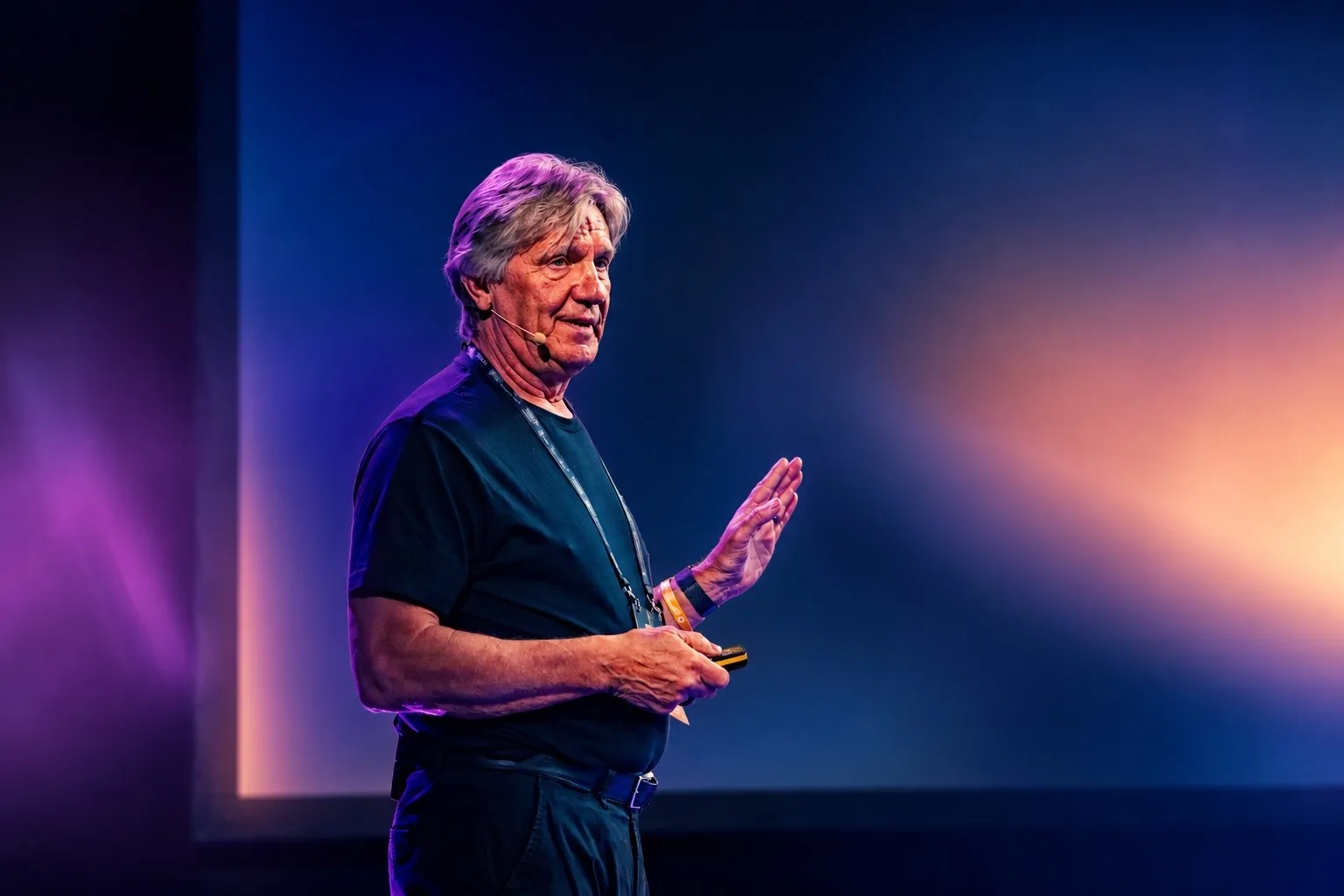
The key to extending healthy life might lie in blood vessels so small they're invisible to the naked eye. This was the compelling message delivered by Nils Kämpe, founder of BEMER Nordic, at the HOLOLIFE Summit in Tallinn last Friday.
Speaking to an audience of health optimisation enthusiasts, Kämpe highlighted how microcirculation – which makes up a staggering 98% of our total circulatory system – remains largely overlooked in conventional approaches to health and longevity.
"Microcirculation is the ultimate system to deliver all your oxygen and nutrition to your cells, and to take all the waste products out—it's a hidden gem essential for vitality and longevity," Kämpe told attendees at the three-day event focused on cutting-edge health innovations.
The rhythm of life: understanding vasomotion
Central to Kämpe's presentation was the concept of vasomotion – a slow, autonomous rhythm of contraction and dilation in the smallest blood vessels that occurs just 2-3 times per minute. Unlike the heart's pumping action, this process operates independently of the nervous system or hormones.
"Vasomotion regulates blood flow in the microcirculation, key to cellular health and unseen by most," explained Kämpe. "If vasomotion fades or becomes uneven, tissues starve from lack of oxygen and nutrition, causing many health problems."
According to research cited during the presentation, the quality of microcirculation appears directly linked to aging. Studies of centenarians suggest they often maintain microcirculation comparable to that of individuals decades younger – potentially contributing to their remarkable longevity.
Beyond traditional biohacking
In an era where health optimisation techniques often focus on nutrition, exercise and sleep, Kämpe's approach targets a more fundamental physiological process that may enhance the effectiveness of other interventions.
His company develops technology using pulsating electromagnetic fields designed to directly stimulate vasomotion, potentially improving blood flow at the cellular level within minutes of application.
"Physical vascular therapy using a patented pulsating electromagnetic field can improve vasomotion, enhancing microcirculation quickly and supporting your vitality every day," Kämpe said, noting that effects from an eight-minute treatment could last 12-14 hours.
The shift toward preventative health
Kämpe framed his work within what he termed "4P medicine" – preventive, predictive, personalized, and participatory approaches that shift focus from treating illness to maintaining optimal health.
"We're moving from sick care to true health care, focusing on living a vital life and extending longevity," he said, emphasizing that improved microcirculation could support this transition by ensuring nutrients and oxygen reach cells efficiently while waste products are removed effectively.
As the HOLOLIFE Summit continues through the weekend in Tallinn, attendees will explore numerous other cutting-edge approaches to health optimisation. However, Kämpe's spotlight on the previously overlooked microcirculatory system may prove to be among the most fundamental insights shared at the event.
"For all biohackers, vitality and health eventually come down to microcirculation," Kämpe concluded. "If you're already doing everything else right, consider multiplying your results by improving microcirculation."
Frequently asked questions
How much of the circulatory system is microcirculation?
A staggering 98%, according to Nils Kämpe, founder of BEMER Nordic. He argued in Tallinn that the smallest blood vessels, invisible to the naked eye, are where nutrients and oxygen actually reach cells, and that they are largely overlooked in health optimisation.
What is vasomotion?
A slow, autonomous rhythm of contraction and dilation in the smallest blood vessels, occurring just 2-3 times per minute and operating independently of the nervous system or hormones. Kämpe described it as the regulator of blood flow in the microcirculation, and unseen by most.
What is 4P medicine?
Kämpe's framing for preventive, predictive, personalized and participatory approaches, a shift from sick care to true health care. He positioned improved microcirculation as a foundation for that shift, since other interventions depend on delivery actually reaching the cells.
About the event
This recap is part of the HOLOLIFE Summit 2025 Europe series, recorded in Tallinn on 14 and 15 June 2025. Read the summary of the whole event or join the next edition, HOLOLIFE Summit 2026 Amsterdam, on 14 and 15 November 2026.
In this story

Comments
Loading comments…