Biohacker Summit 2023 Amsterdam
Food As Hormonal Strategy: Silvena Rowe’s Case For Eating Toward Vitality And Longevity
By Teemu Arina · · Updated
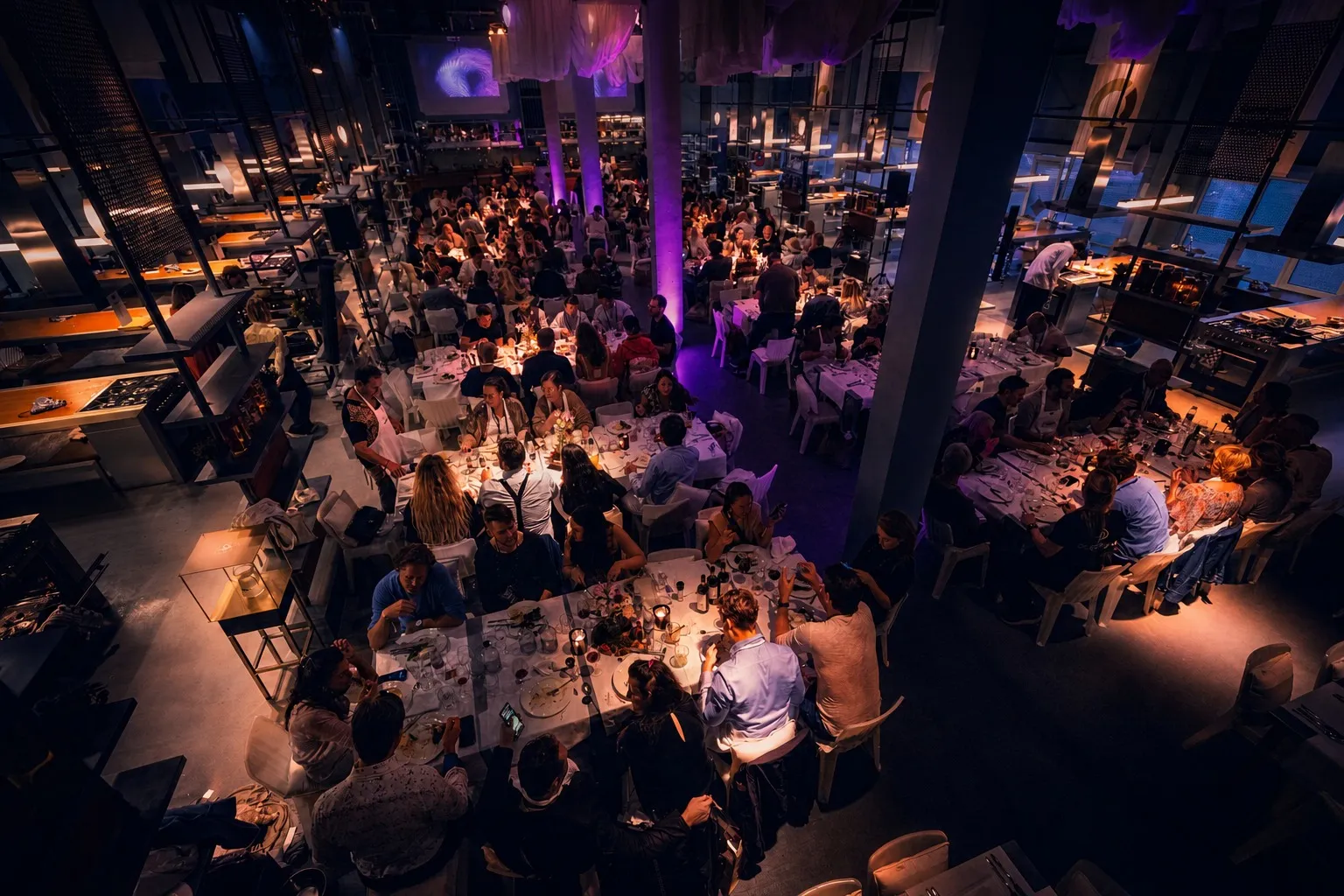
At Biohacker Summit 2023 Amsterdam, The Chef And Longevity Advocate Framed Nutrition As A Woman’s Most Powerful Preventive Tool
On Saturday, 14 October 2023, at Biohacker Summit 2023 Amsterdam in the Netherlands, Silvena Rowe delivered a brisk, impassioned presentation titled Optimizing Female Hormones With Food, arguing that the most accessible path to long-term health did not begin in a clinic or a supplement stack, but on the plate.
Rowe, known as a Global Masterchef judge and a culinary nutrigenomics expert, spoke with the authority of someone who has spent years translating wellness science into daily practice. Her message was both pragmatic and deeply personal: biological vitality, she said, could be protected even as chronological age advanced, if women learned to nourish the hormonal systems that quietly governed mood, weight, cognition, skin, strength and resilience.
“If you start balancing your life with nutrition while you are still in your twenties and thirties, you will be invincible,” Rowe told the audience.
The Central Premise: Biological Age Can Be Negotiated
Much of the talk turned on a distinction that has become familiar in longevity circles but felt newly urgent in Rowe’s hands: the difference between chronological age and biological age. The passing of years, she suggested, was inevitable. Decline was not always so fixed.
Her formulation was memorable. The aim was to carry the wisdom and force of advancing age while preserving the energy and vitality associated with youth. Food, in this vision, was not cosmetic. It was structural.
“I love the idea of a magic pill that could make me young again,” she said. “But until then, the only tool I have to optimize my health is food.”
That insistence gave the talk its emotional core. In a culture often seduced by miracle interventions, Rowe’s argument was almost stubbornly unglamorous. Nutrition, she said, remained “the cheapest, the most secure” route to becoming a better version of oneself.
Why Hormones Sat At The Heart Of The Conversation
Rowe described hormones as the hidden conductors of female health, shaping everything from sleep and body composition to emotional steadiness and muscular strength. Women, she noted, often lived with the consequences of hormonal disturbance long before those disturbances were clearly named.
“Hormones are chemical messengers that act like taxis being sent around your body, controlling everything from your skin and mood to your muscle strength,” she said.
The presentation highlighted several hormonal systems that demanded attention: cortisol, thyroid, insulin, leptin, estrogen, testosterone and human growth hormone. But the emphasis repeatedly returned to three disruptive forces in modern life: stress, metabolic instability and inflammation.
For women confused by sudden weight gain, low mood or fatigue despite discipline and exercise, Rowe suggested these shifts were often less about willpower than about endocrine imbalance. Cortisol and thyroid dysfunction, in particular, were presented as major drivers of unexplained weight changes.
A Stark Warning On Women’s Health Risks
Rowe also placed female hormonal health inside a broader epidemiological frame. Women, she said, faced sharply elevated risks for several conditions, including insomnia, depression, multiple sclerosis and thyroid dysfunction. Menopause, meanwhile, was too often treated as an inevitable sentence of volatility and decline, when in fact many of its harsher expressions might be shaped by stress, nutrition and lifestyle.
Her concern was not simply symptom management. It was the age at which disruption appeared to be arriving. She warned that more women were entering menopause unusually early, sometimes in their early forties, and suggested that this could not be disentangled from the way modern life was being lived.
The subtext throughout was clear: female suffering had been normalized where it should have been investigated.
Alzheimer’s, Estrogen And The Urgency Of Prevention
The most arresting section of the talk focused on Alzheimer’s disease. Rowe drew attention to the disproportionate burden borne by women, linking that risk in part to estrogen depletion and the brain’s loss of hormonal protection over time.
She described estrogen as central to neurological stability, and pointed to the role of beta amyloid proteins and inflammation in the conversation around cognitive decline. Alzheimer’s, she suggested, did not simply appear in old age. Its foundations could begin much earlier, in the third and fourth decades of life.
That temporal shift mattered. If damage began silently, prevention had to begin long before symptoms.
Here Rowe advanced one of the session’s more specific nutritional recommendations: a modified ketogenic approach, composed of roughly 55% fat, 30% protein and 15% carbohydrate, as a potentially neuroprotective framework. In her account, this was not fad dieting but a targeted intervention aimed at reducing inflammation and supporting metabolic function in those at heightened risk.
The Plate As Foundation, Not Accessory
If the lecture’s science ranged widely, its practical advice was strikingly concrete. Rowe returned again and again to one governing metaphor: the body as a house.
“If the foundation we have created with our nutrition is not there, the house will eventually collapse, regardless of what supplements or therapies we use,” she said.
The image landed because it stripped away the fantasy that health could be patched together later with expensive fixes. Nutrition, in Rowe’s framing, was not an add-on to wellness. It was the load-bearing structure.
Her preferred plate was unapologetically plant-heavy. Seventy-five percent, she said, should be vegetables, especially dark leafy and bitter greens, cruciferous vegetables and alliums. These groups formed the backbone of what she described as a detoxification and recovery framework, supporting gut health and the body’s ability to process internal and environmental stressors.
The remaining quarter, she said, should be made up of high-quality protein, tailored to need rather than excess.
Bone Broth, Fermentation And The Quiet Work Of Repair
Rowe’s nutritional philosophy was not austere so much as functional. She spoke warmly of gut-building foods, prebiotics, probiotics, postbiotics and fermented foods, but reserved particular affection for bone broth, that old kitchen staple now recast as modern wellness shorthand.
For her, it served more than one purpose: collagen support for skin, yes, but also nourishment for the brain and deeper repair.
She also urged audiences to reduce toxic exposure where possible, whether through filtered water or choosing organic options for the most contaminated produce. There was no absolutism in her tone. She acknowledged that few people could live under total dietary control. What mattered was the direction of travel.
Sugar, Sweeteners And The Metabolic Cost Of Convenience
One of the clearer lines Rowe drew was against both excessive sugar and the casual embrace of artificial sweeteners. The future of healthy eating, she argued, did not lie in replacing one metabolic disturbance with another. It lay in retraining the palate toward lower sweetness altogether.
She cited approximate daily sugar limits the liver could absorb, around six teaspoons for women and nine for men, while stressing that these totals included hidden sugars already present in processed food.
This was less a plea for deprivation than for vigilance. Modern diets, she implied, had made metabolic chaos feel normal.
Fasting, Meditation And The Need For Female-Specific Protocols
The final section of the talk widened from food into habit. Meditation and yoga, Rowe said, had been important in her own life, especially as tools for regulating intensity and stress. Hormonal health was not only biochemical but behavioral.
Intermittent fasting, too, had a place in her protocol, but with an important caveat: women should not simply copy male fasting routines. Female digestive and hormonal systems, she argued, demanded a more adaptive approach, particularly around the menstrual cycle.
That insistence on specificity felt like one of the event’s most important correctives. In a biohacking culture often built around universalized optimization, Rowe reminded the room that women’s bodies were not smaller versions of men’s bodies, and should not be treated as such.
A Talk That Rejected The Fantasy Of Rescue
What Silvena Rowe offered at Biohacker Summit 2023 Amsterdam was not a miracle cure, nor the polished certainty of the wellness marketplace. It was something more durable: a case for prevention rooted in ordinary acts repeated over time.
“We either make time now when we are healthy to enjoy our health, or we will eventually have to make time for our illness,” she said.
That line lingered after the presentation ended. In the end, Rowe’s argument was not only about hormones. It was about responsibility, foresight and the quiet radicalism of feeding oneself as if the future mattered.
Frequently asked questions
What is Silvena Rowe's central premise?
That biological age can be negotiated even though chronological age cannot. Rowe, a Global Masterchef judge and culinary nutrigenomics expert, framed the aim as carrying the wisdom and force of advancing age while preserving energy and vitality, starting on the plate rather than in a clinic.
How does she describe hormones?
As the hidden conductors of female health, shaping sleep, body composition, emotional steadiness and muscular strength. Hormones are chemical messengers that act like taxis being sent around your body, she said, controlling how much of everything happens and when.
Which risks did she highlight for women?
Rowe placed female hormonal health inside a broader epidemiological frame, pointing to sharply elevated risks for insomnia, depression, multiple sclerosis and thyroid dysfunction, and arguing that menopause is too often treated as an inevitable sentence of volatility and decline.
About the event
This recap is part of the Biohacker Summit 2023 Amsterdam series, recorded in Amsterdam on 14 and 15 October 2023. Read the summary of the whole event or join the next edition, HOLOLIFE Summit 2026 Amsterdam, on 14 and 15 November 2026.
In this story
Comments
Loading comments…