HOLOLIFE Longevity Côte d'Azur
Opportunity in Longevity: Biohacking Market Overview & Top Biohacks
By Teemu Arina · · Updated
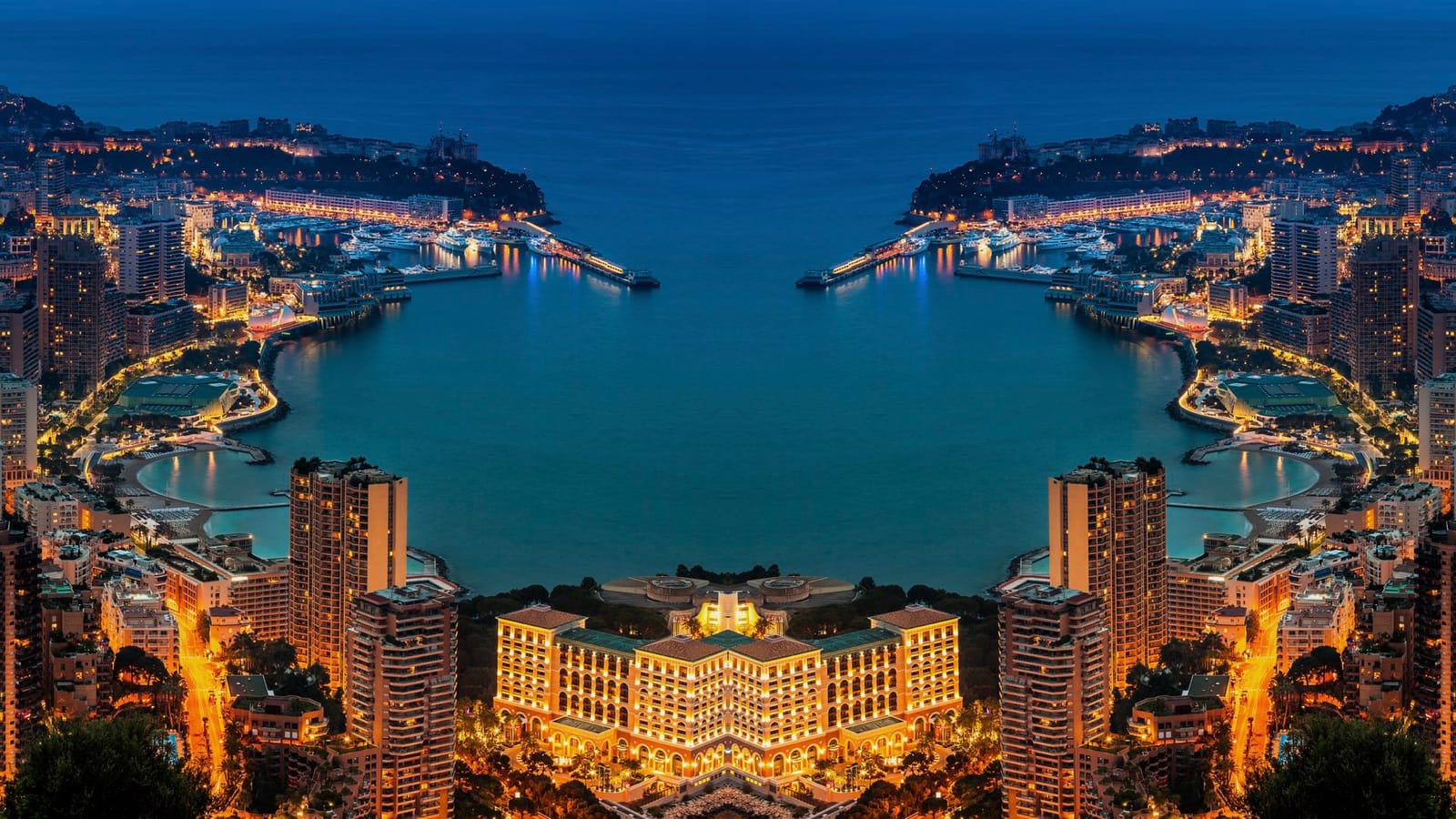
At Hololife Longevity Côte d'Azur, Teemu Arina Cast Longevity Not As A Vanity Project But As One Of The Defining Economic And Human Questions Of Our Time
In Nice, at Hololife Longevity Côte d'Azur on 12 March 2026, the biohacking pioneer Teemu Arina delivered a presentation that was part market analysis, part manifesto, and part warning. Under the title Opportunity In Longevity: Biohacking Market Overview & Top Biohacks, Arina argued that the age of generic health advice was giving way to something more intimate, more data-driven, and potentially more transformative: a world in which prevention, precision medicine, and everyday biological awareness reshape not only how people live, but how economies function.
His central claim was as stark as it was persuasive. Chronic disease, he said, cost the world $47tn annually, a burden so vast that longevity was no longer a niche obsession for wellness devotees or Silicon Valley optimists. It had become an industrial, political and moral issue. If modern medicine excelled at acute intervention, Arina suggested, it had failed to meet the slower catastrophe of decline: inflammation that simmered for years, metabolic dysfunction that hid in plain sight, a body that drifted out of balance long before a diagnosis ever appeared.
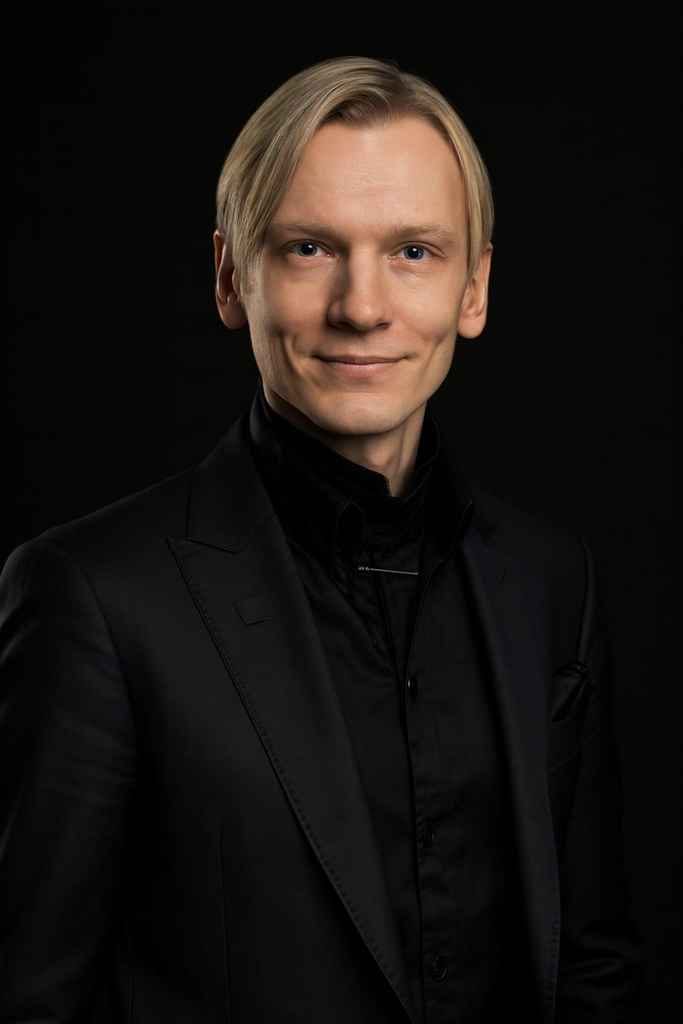
“If you don't make space for wellness, eventually you will have to make space for illness,” he said.
Healthspan, Not Mere Survival
Arina’s talk refused the more extravagant promises that often cling to the longevity industry. He did not build his case on fantasies of immortality or the seductive theatre of age reversal. Instead, he spoke in more grounded terms about healthspan, the number of years a person remains vigorous, functional and mentally present.
“Most of us just want to have healthy years in our lives. Healthspan is more important than lifespan; the goal is to live with the highest quality of life possible rather than just being kept alive on life support,” he said.
That distinction mattered. It shifted the conversation away from mere biological persistence and toward dignity, mobility, clarity, and independence. In Arina’s framing, longevity was not about preserving life at any cost. It was about preserving the ability to participate in it.
He described a future in which living to 100 or even 120 might become increasingly plausible, but insisted that the deeper aim was not numerical triumph. The real goal was to remain capable of contribution, to extend not simply existence but usefulness, joy, and agency.
“The goal is to create the foundations so you can keep contributing the things you love. It is all about building a legacy and living longer than your lifetime through the contribution you make to the world,” he said.
The Three Forces Converging On Longevity
Arina located the longevity movement at the intersection of three major trends: precision medicine, digital health, and everyday health optimization.
The first was a decisive break with one-size-fits-all healthcare. Rather than relying on population averages alone, precision medicine drew on genetics, biomarkers, lifestyle patterns, and individual risk factors to tailor prevention and treatment. In this model, the future of medicine looked less like general instruction and more like targeted intervention.
The second was the rapid expansion of digital health, particularly AI-assisted diagnostics. Arina pointed to a future in which machine systems increasingly outperformed human experts in certain forms of medical analysis, especially imaging and pattern detection. He did not frame this as a replacement of clinicians so much as a redefinition of their role. The future, he suggested, belonged to human-machine collaboration.
The third force was the broad cultural migration toward self-optimization. Once confined to elite athletes and obsessive self-trackers, the tools of biological monitoring were becoming mainstream. Sleep rings, continuous glucose monitors, laboratory panels, and wearable recovery scores were turning everyday life into a measurable terrain. The body was no longer simply felt. It was tracked, interpreted, and iterated upon.
The Biohacking Economy Goes Vertical
In Arina’s account, this was not merely a medical transition. It was also a commercial one. He described biohacking and personalized wellness as the fastest-growing segments within the $6.3tn global wellness industry, with the broader longevity field poised for dramatic expansion.
The scale of that opportunity rested on a simple economic truth: it was vastly cheaper to preserve health than to treat disease after damage had accumulated. Prevention, in this sense, was not a luxury add-on but a more rational allocation of resources. Arina framed the current healthcare model as structurally backward, rewarding intervention at the point of sickness while underinvesting in the habits, diagnostics and data that could delay illness for years.
Only a small fraction of GDP in Europe, he noted, went toward preventive healthcare. The result was a system increasingly effective at managing crises and increasingly poor at stopping them from arriving.
His language sharpened here. Traditional healthcare, he argued, was less a healthcare system than a sick care system.
Your Genetics Are Not Your Sentence
One of the strongest passages of the presentation came when Arina challenged the fatalism that often shadows discussions of hereditary disease. Family history mattered, he acknowledged. But it did not settle the matter.
“Your genetics do not dictate your outcome, but your behaviors do. Epigenetics plays a much bigger factor than your genes, so you have to take responsibility for how you live and take care of yourself,” he said.
It was a forceful rebuke to passivity. If inherited risk was real, then so too was the power of environment, routine, stress, food, sleep, social life, movement and recovery. Arina’s argument was that too many people outsourced health until the moment it failed. By then, the body had often been sending signals for years.
The task, as he saw it, was to become literate in one’s own biology. Not to obsess over every metric, but to develop enough self-knowledge to detect patterns before pathology hardened into disease.
From Blue Zones To Digital Twins
If Arina championed the frontier technologies of longevity, he also resisted the fantasy that the future could be engineered without the past. Some of the most striking moments in the talk came when he turned to the Mediterranean and to so-called Blue Zone cultures, particularly places like Sardinia and Ikaria, where long life has often been accompanied by social cohesion and lower rates of chronic disease.
The lesson was not that one miracle food or supplement explained longevity. It was that healthy aging emerged from systems: polyphenol-rich diets, daily movement, strong communities, lower inflammatory load, rest, and purpose.
This was where Arina’s vision became more textured. Longevity, he argued, would come from the fusion of old wisdom and new tools. Mediterranean dietary patterns could coexist with biomarker testing. A sense of purpose could sit alongside epigenetic clocks. Digital twins and AI diagnostics might sharpen decisions, but they could not replace the elemental architecture of good living.
In that sense, the talk offered a more mature version of biohacking than its stereotype suggests. Less gadgets for their own sake, more infrastructure for a better life.
Measuring The Biological Operating System
Again and again, Arina returned to measurement. If people did not know what they were optimizing for, he argued, then they were operating in the dark. Data was not the goal, but it was the beginning of clarity.
He highlighted key indicators including VO2 max, long-term blood sugar control, heart rate variability, inflammation, lean mass, and visceral fat ratio. These, he suggested, were not abstract numbers but practical clues to how well the body was coping with modern life.
A stable circadian rhythm, he argued, sat beneath everything else. Without it, hormones, glucose control, recovery and cognitive function all suffered. He described this alignment as foundational, the first architecture of health on which everything else depended.
For high-performing professionals, this was not an indulgence but an operational necessity. Arina urged executives and entrepreneurs to think of themselves as corporate athletes, responsible for managing recovery, fuel, stress load and decision-making capacity with the seriousness of elite performers.
He offered one of the talk’s sharpest provocations in the form of an investor’s question turned inward: “If your body was a company and your energy levels were a stock price, would you invest in yourself right now?”
AI And The Democratization Of Expertise
Perhaps the most disruptive possibility raised in Nice was the role of artificial intelligence in medicine. Arina argued that AI-driven diagnostic systems were already surpassing human experts in certain domains, and that these tools could radically widen access to high-quality health analysis.
The promise here was not merely efficiency. It was democratization. Expertise that once sat behind elite clinics, specialist referrals, and expensive consultancies could increasingly be translated into scalable systems. For a world overwhelmed by chronic disease and short on medical attention, that possibility was enormous.
Still, Arina did not indulge in techno-utopianism. Human judgment, empathy, and responsibility remained essential. Machines might detect patterns faster, but medicine still required interpretation, context and trust.
The Quiet Revolution In Prevention
What lingered after the presentation was not simply its confidence in technology, but its insistence on personal agency. Arina spoke to a room that likely understood investment, innovation and risk. His challenge was to apply the same seriousness to the body.
The deeper revolution in longevity, he suggested, would not arrive only through clinics, patents or therapies. It would emerge through habits repeated in private: better sleep, more intelligent diagnostics, steadier glucose control, stronger metabolic health, and interventions shaped by individual response rather than generic advice.
This was the paradox at the heart of the talk. Longevity was being sold as a multi-trillion-dollar industry, yet its moral core remained intimate. A person ate differently. Slept earlier. Walked more. Tested what mattered. Paid attention. Changed course before damage calcified.
At Hololife Longevity Côte d'Azur, Teemu Arina made the case that the future of health would belong to those who stopped seeing wellness as cosmetic self-improvement and started seeing it as infrastructure: for productivity, for resilience, for independence, and for contribution.
The old model waited for the body to break. Arina’s vision asked what might happen if society learned, finally, to care for people before that point.
Frequently asked questions
Why does Teemu Arina call longevity an economic question?
Because chronic disease costs the world about $47 trillion a year. Medicine is good at acute intervention and poor at the slow decline of inflammation and metabolic dysfunction, which is where prevention and biohacking create value.
What are the three forces converging on longevity?
Precision medicine that tailors prevention to genetics, biomarkers and lifestyle instead of population averages; digital health, especially AI-assisted diagnostics that outperform experts at imaging and pattern detection; and the mainstreaming of self-optimization through sleep rings, glucose monitors, lab panels and wearable recovery scores.
What do Blue Zones have to do with digital twins?
Arina used Sardinia and Ikaria to show that healthy aging comes from systems: polyphenol-rich food, daily movement, strong communities, low inflammatory load, rest and purpose. Biomarker testing and digital models of your own biology are tools to apply that old wisdom to one person, not replacements for it.
About the event
This recap is part of the HOLOLIFE Longevity Côte d'Azur series, recorded in Nice on 12 March 2026. Read the summary of the whole day or join the next edition, HOLOLIFE Summit 2026 Amsterdam, on 14 and 15 November 2026.
In this story
Comments
Loading comments…