Mushroom marketing myths exposed: industry insider calls for higher standards
By Teemu Arina · · Updated
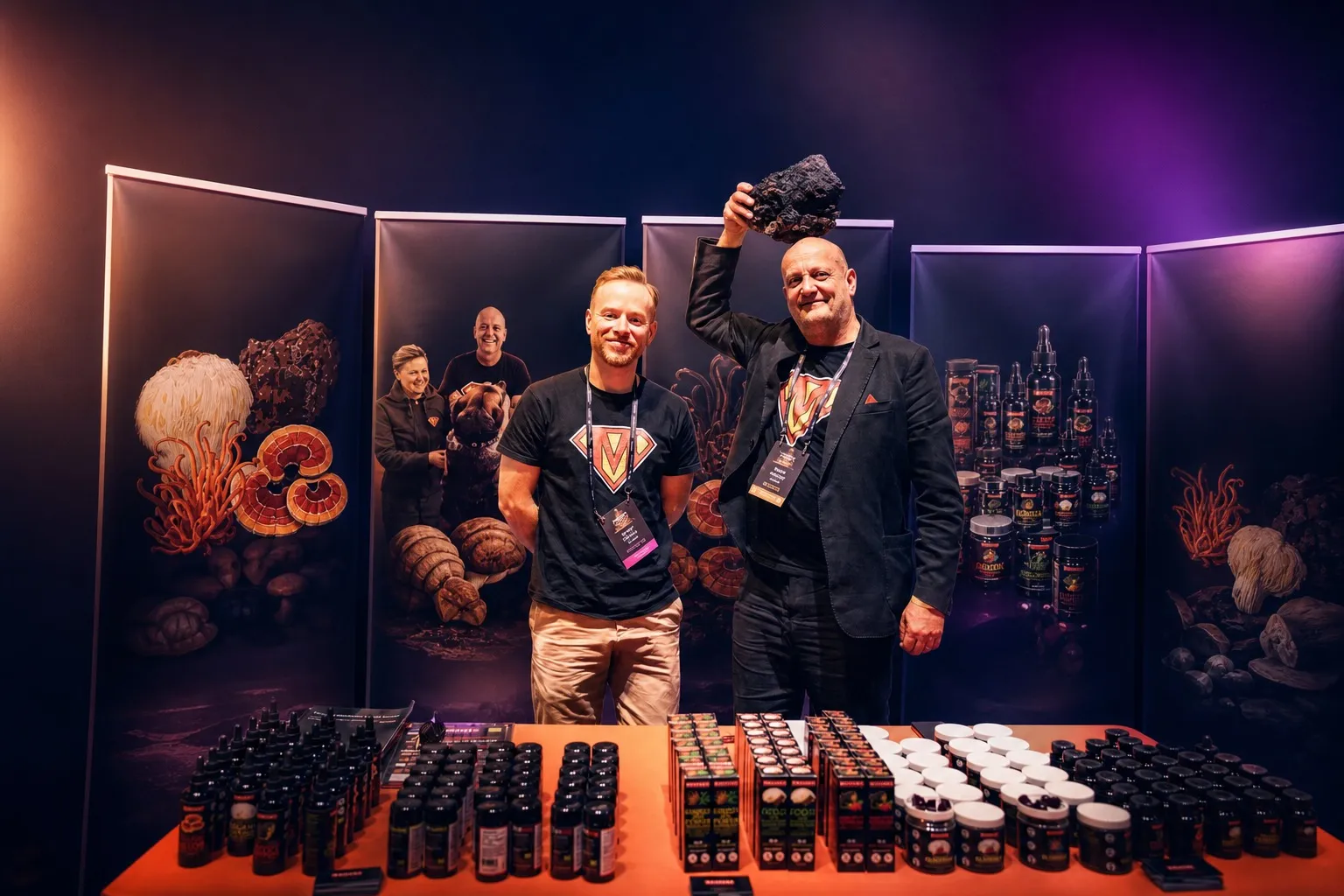
Expert reveals widespread misinformation in booming functional mushroom market at European wellness summit
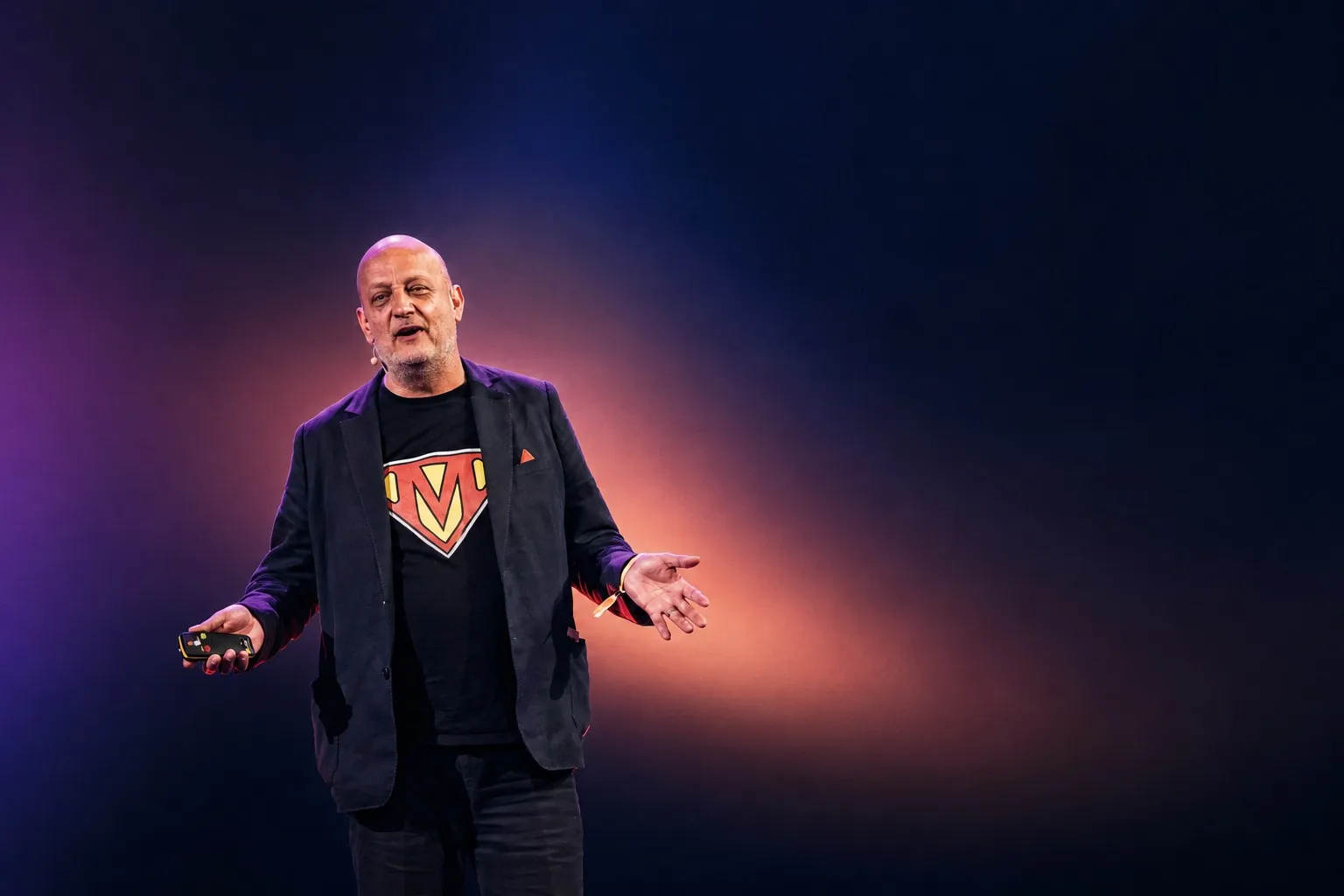
Robin Gurney doesn't mince words when it comes to the mushroom extract industry. "The mushroom industry lacks standards, creating risks with misinformation and products that may not deliver real value or quality," he told attendees at the HOLOLIFE Summit in Tallinn last weekend.
The founder of Estonian organic mushroom extract company MUSHEEZ delivered a passionate and sometimes eye-opening presentation on Saturday, cutting through what he described as prevalent "marketing BS" in the rapidly expanding functional mushroom sector.
A growing market with growing problems
Functional mushrooms – species like lion's mane, reishi, and chaga that are consumed for health benefits rather than culinary purposes – have seen exponential growth in popularity. Gurney revealed that his own company has nearly doubled in size annually with minimal marketing efforts, a trend he believes extends across the industry.
"The demand is so huge with mushrooms right now. It's growing like crazy," Gurney explained. "But it's also risky because there are no standards in the industry."
This lack of regulation has created fertile ground for misinformation and questionable products, according to Gurney, who supplies mushroom extracts to approximately 60 brands across Europe.
Debunking persistent myths
Gurney systematically dismantled several widespread beliefs about mushroom supplements. Perhaps most surprising to many attendees was his revelation about chaga, a mushroom that grows primarily on birch trees.
"Chaga, fruiting body – who's heard that?" he asked the audience. "Well, I've never seen one. It's a very rare event. Chaga grows on the side of a tree; that's not even a mushroom."
The notion that mycelium (the root-like structure of fungi) is inferior to fruiting bodies (the visible mushroom part) was another myth he addressed. For certain mushrooms like lion's mane, Gurney explained that liquid-fermented mycelium can actually be superior for extracting compounds beneficial for brain health.
He also challenged the industry's emphasis on high extraction ratios, explaining that a 20:1 ratio is not necessarily better than 10:1. "It means twenty kilos of raw material make one kilo of extract powder. Using more doesn't always make it better or more sustainable—using higher amounts is a waste if you don't get better quality."
The science behind the marketing
At the heart of Gurney's presentation was a call for more rigorous scientific testing. He revealed that his company invests thousands of euros monthly in advanced testing methods, including nuclear magnetic resonance (NMR) and liquid gas chromatography.
These tests have revealed troubling results. In a sample of lion's mane extracts available in Europe, three weren't even lion's mane at all, but possibly oyster or shiitake mushrooms.
"If you're a buyer, ask for independent data," Gurney urged. "If suppliers don't have it, tell them they can get it—testing for compounds of interest is possible."
Traditional wisdom meets modern science
Despite his emphasis on scientific testing, Gurney also expressed appreciation for traditional methods of mushroom consumption. He recounted a story about a Sami woman from Sweden who, when questioned about specific compounds in chaga, simply said: "You get the chaga, make tea, drink tea, make chaga bread, eat bread."
"There's innate wisdom in traditional use," Gurney noted, while also acknowledging that modern science is helping us understand which specific compounds provide health benefits and how they are absorbed by the body.
Individual responses and bioavailability
Gurney emphasized that mushroom supplements aren't universal panaceas. "Bodies are different—what helps you may not help me," he explained. "Some say chaga helps them sleep, others get energy from it. Some notice effects, others feel nothing."
He also raised questions about bioavailability – how much of the beneficial compounds actually enter the bloodstream after consumption. While companies like Kappa Bioscience are conducting human clinical trials, Gurney admitted that many questions remain unanswered.
A call for transparency
As the presentation concluded, Gurney's message was clear: consumers and businesses alike should demand transparency and evidence of quality.
"Insist on data," he urged. "It's not about higher extraction ratios or wild vs. cultivated—true quality comes from perfected growing and extraction processes, measurable by science."
With the functional mushroom market continuing to expand, Gurney's call for higher standards and scientific verification represents an important voice in an industry still finding its way toward maturity and credibility.
The HOLOLIFE Summit 2025 Europe ran from June 13-15 in Tallinn, Estonia, bringing together experts in holistic health, nutrition, and wellness.
Frequently asked questions
What is wrong with the functional mushroom market?
Robin Gurney, founder of the Estonian extract company MUSHEEZ, told the Tallinn summit that the industry lacks standards, creating risks with misinformation and products that may not deliver real value or quality. Demand is growing fast, and his own company has nearly doubled in size annually with minimal marketing.
Is there such a thing as a chaga fruiting body?
Gurney says he has never seen one and that it is a very rare event. Chaga grows on the side of a tree as a conk, and in his blunt phrasing that is not even a mushroom, which makes fruiting body claims on chaga packaging a marketing artefact rather than a description.
What did his laboratory testing find?
Gurney's company spends thousands of euros monthly on nuclear magnetic resonance and liquid gas chromatography testing. In one sample of lion's mane extracts available in Europe, three were not lion's mane at all, but possibly oyster or shiitake mushroom.
About the event
This recap is part of the HOLOLIFE Summit 2025 Europe series, recorded in Tallinn on 14 and 15 June 2025. Read the summary of the whole event or join the next edition, HOLOLIFE Summit 2026 Amsterdam, on 14 and 15 November 2026.
In this story

Comments
Loading comments…