The 90-second rule: how a simple mindfulness technique is transforming emotional wellbeing
By Teemu Arina · · Updated
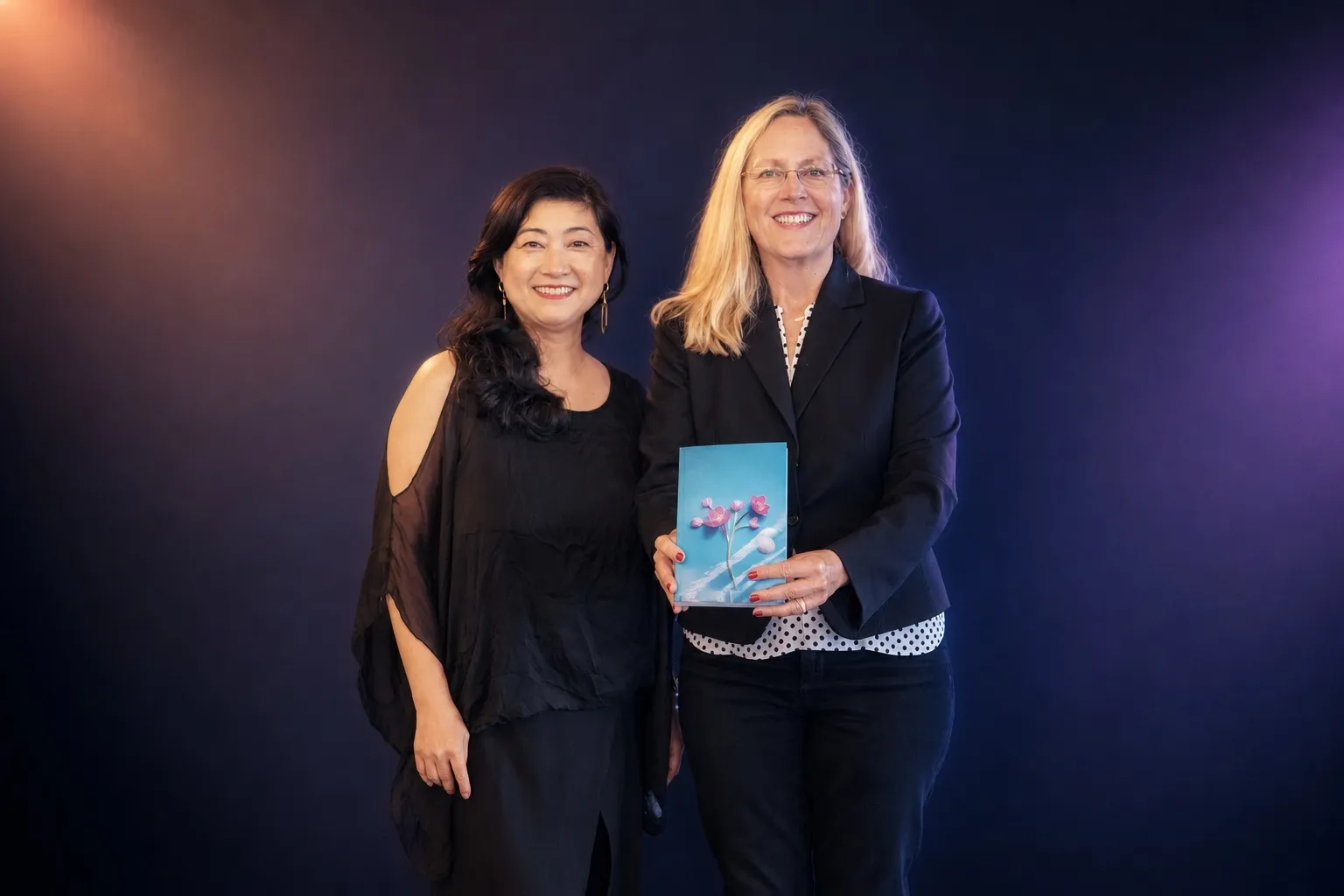
Rebecca Kochenderfer shared her science-backed method for emotional release at Tokyo's Hololife Summit, promising a clearer mind through a technique that takes just moments to practice
Standing on stage at the Hololife Summit in Tokyo, Dr Rebecca Kochenderfer made a bold claim: every emotion you experience, no matter how overwhelming, has a natural lifespan of just 90 seconds. The researcher and former CEO, who once struggled so much with public speaking that she would spend three days with a stomach ache before each engagement, has since developed a technique that she says changed her life – and could change yours too.
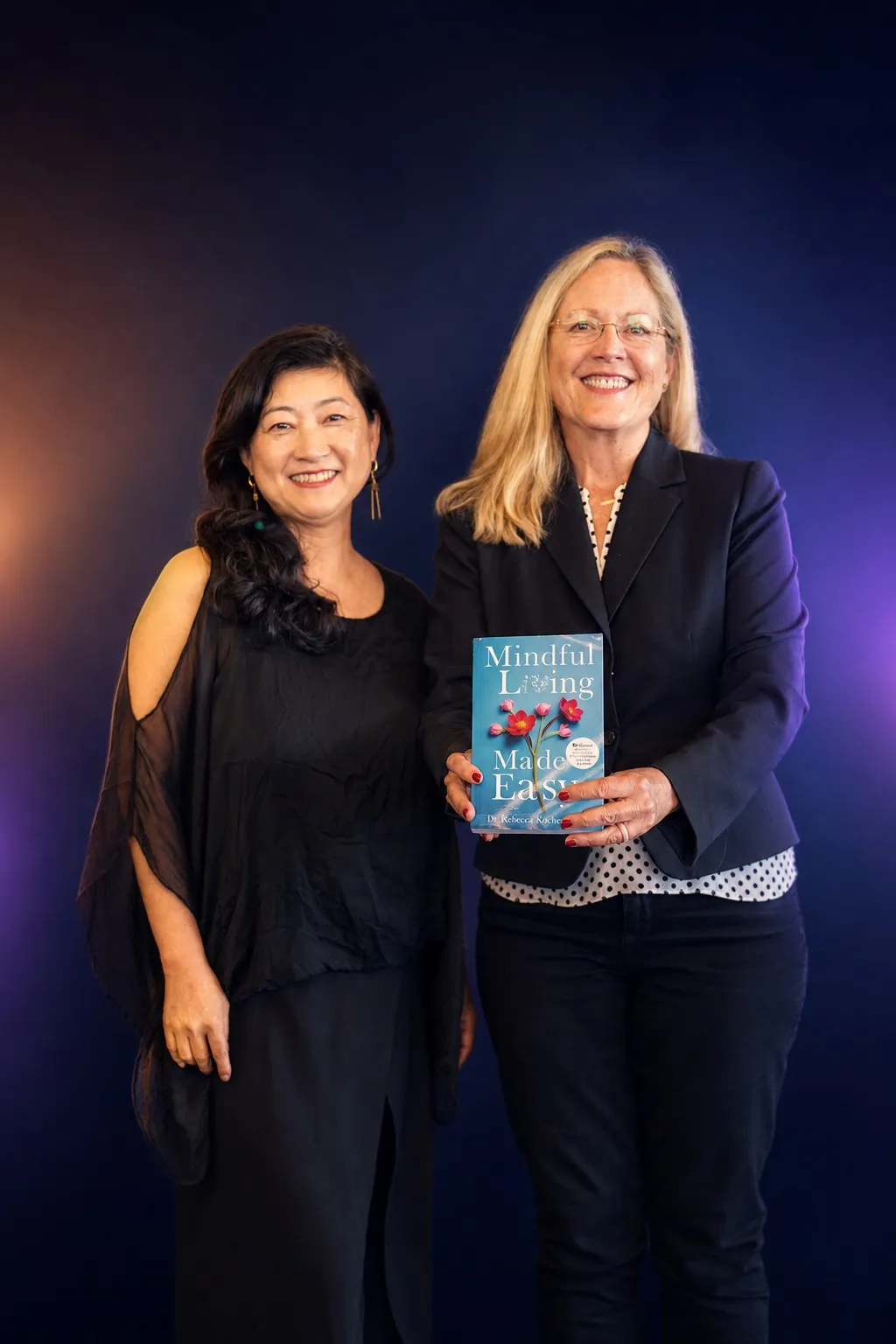
Kochenderfer presented her method, called "Notice, Name, Relax, Release", alongside sound healer Noriko Whitfield, whom she met during a recent book tour. The collaboration brought together scientific research and ancient healing practices, creating what the speaker described as an accessible approach to mindful living that requires no extra time in an already busy schedule.
When emotions become baggage
The Harvard University research that Kochenderfer cited reveals something remarkable about human emotion: if we allow feelings to move through us naturally, without suppression or elaboration, they last only a minute and a half. "There is nothing to be afraid of," she told the audience. "No matter how big the emotion is, according to Harvard, they only last 90 seconds."
The problem, according to Kochenderfer's research with 200 participants in her Calm Mind study, is that most people lack both the vocabulary and the practice to let emotions pass naturally. "As a society, we haven't been taught about emotions," she explained, noting that she had to send participants a feeling wheel because they struggled to name what they were experiencing beyond basic categories.
When the speaker asked audience members to call out emotions they had experienced recently, responses ranged from fear to disappointment to accomplishment. Each feeling, she emphasized, deserves the same treatment: acknowledgment, proper naming, and conscious release.
The windshield metaphor
Kochenderfer illustrated her concept with a vivid metaphor drawn from a road trip through Montana and Wyoming. Watching bugs and butterflies accumulate on her clean windshield, she realized this mirrored how unprocessed emotions cloud our perception of reality.
"When we're born, our emotional windshield is clear, but as life happens, our emotions stick to the windshield," she said. The "bugs" represent negative emotions we repress, while the "butterflies" are positive feelings we cling to, fearing they will disappear if we acknowledge them. Both distort how we see the world.
A childhood aversion to green beans, she shared, became a decades-long filter. Meeting one difficult person created a lasting prejudice against everyone sharing that person's name. These accumulated emotional residues consume energy and narrow our bandwidth for experiencing life as it actually is.
From research to practice
The technique Kochenderfer developed emerged from her own struggle with public speaking and a desire to share her gifts without being blocked by what she called her "stuff". Inspired by Michael Singer's book Untethering the Soul and its discussion of Samskaras – Buddhist and Hindu concepts of trapped emotions – she spent years refining a practical method.
"Notice, Name, Relax, Release" became the framework, simple enough to practice throughout the day. The speaker emphasized the importance of language: saying "I am feeling afraid" rather than "I am afraid" creates crucial distance between the observer self and the temporary emotion.
According to the Gray Lafiolette study she referenced, one emotion can generate a thousand thoughts. When the mind becomes chatty, she advised, pause and ask: "What was I just feeling?" This awareness becomes key to emotional release.
Sound healing and visualization
During the presentation, Whitfield's healing bowls provided a sonic backdrop for guided visualization. Kochenderfer led the audience through imagining typical post-conference scenarios – travel, meetings, returning home – and practicing emotional release in each situation.
Participants who have adopted the technique, she reported, experienced improved sleep, expanded bandwidth, and less energy wasted on emotional management. Some set timers three to five times daily as reminders to "clean their windshield" during transitions: before important phone calls, when entering their home after work, or before bed.
The speaker acknowledged that some deeply rooted emotions might require cathartic release – "sobbing for no apparent reason" – but emphasized that even these moments last only 90 seconds if allowed to move through naturally.
Personal stakes
Kochenderfer's personal history lent weight to her message. Born into poverty, she lost both parents within two weeks when she was eight and a half years old. Two sisters later died by suicide. The accumulated trauma created significant emotional baggage.
But the true test of her technique came two years ago when her son was diagnosed with cancer. "Normally, that would have hit my buggy windshield and I might not have been able to help him," she said. Instead, with a clear mind, she could reframe his fear of chemotherapy: "What if we think of it as a healing session at a healing center?"
This reframing ability, she argued, represents one of the biggest benefits of regular emotional release. A clean windshield benefits not just the individual but everyone in their life.
The broader implications
The technique Kochenderfer presented challenges common approaches to emotional management. Rather than analyzing feelings, building narratives around them, or using distraction, her method advocates brief, frequent acknowledgment and release.
This approach aligns with growing research on emotional intelligence and mindfulness, but packages it in a format designed for modern life's pressures. The researcher emphasized that the practice requires no additional time commitment – just awareness during moments already present in daily routines.
For conference attendees who might feel overwhelmed by social interaction, travel stress, or information overload, she offered a practical tool. The speaker herself, self-described as an introvert who once struggled at conferences, demonstrated the transformation possible through consistent practice.
As the session concluded, Kochenderfer invited audience members to reach out and share their experiences with the technique. Her message was ultimately one of liberation: beneath the accumulated bugs and butterflies on our emotional windshields lies a clear view of reality and expanded capacity for connection, resilience, and joy.
The 90-second rule offers a deceptively simple premise. Whether it can deliver on its promise of mindful living made easy may depend on something equally simple: the willingness to pause, notice, name, and release the constant stream of emotions that make us human.
Frequently asked questions
What is the 90-second rule?
Rebecca Kochenderfer told the Tokyo audience that, according to the Harvard research she cited, an emotion allowed to move through you without suppression or elaboration lasts only about 90 seconds. What keeps feelings around far longer is the story we build on top of them.
What are the four steps of her technique?
Notice, Name, Relax, Release. Kochenderfer developed the sequence while working through her own block around public speaking, drawing on Michael Singer's writing and its discussion of samskaras, the Buddhist and Hindu concept of trapped emotions.
What is the windshield metaphor?
On a road trip through Montana and Wyoming, Kochenderfer watched bugs collect on a clean windshield and saw the parallel: we are born with a clear emotional windshield, and unprocessed feelings stick to it until they cloud how we see reality. Releasing them, briefly and often, keeps the view clear.
About the event
This recap is part of the HOLOLIFE Summit 2025 Tokyo series, recorded in Tokyo on 10 and 11 October 2025. Read the summary of the whole event or join the next edition, HOLOLIFE Summit 2026 Amsterdam, on 14 and 15 November 2026.
In this story

Comments
Loading comments…