Biohacker Summit 2022 Amsterdam
Is Ketosis the Ultimate Biohack?
By Teemu Arina · · Updated
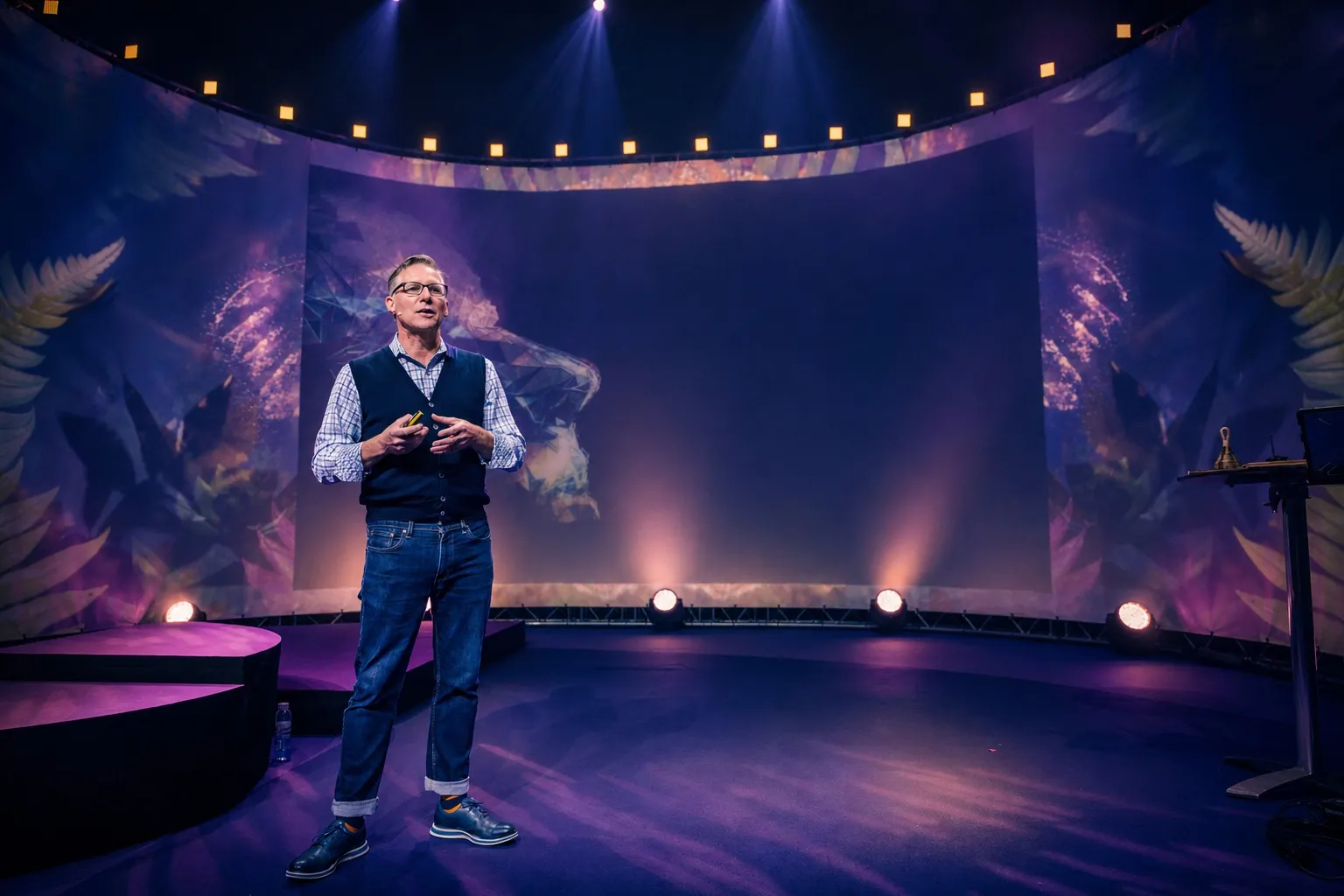
At Biohacker Summit 2022 Amsterdam, Dorian Greenow Argued That Human Beings Were Built For Fat Fuel, Not Constant Glucose
In a presentation that moved briskly between evolutionary biology, public health critique, personal testimony and environmental provocation, Dorian Greenow took the stage at Biohacker Summit 2022 Amsterdam to ask a question that has become something close to doctrine in parts of the metabolic health world: Is ketosis the ultimate biohack?
Greenow, founder of Keto-Mojo and a prominent advocate for ketogenic living, did not present ketosis as a niche diet or a fashionable workaround for weight loss. He framed it instead as a return to first principles, a metabolic state he argued had been with humans from birth, embedded in our physiology long before modern agriculture, processed carbohydrates and the machinery of industrial food.
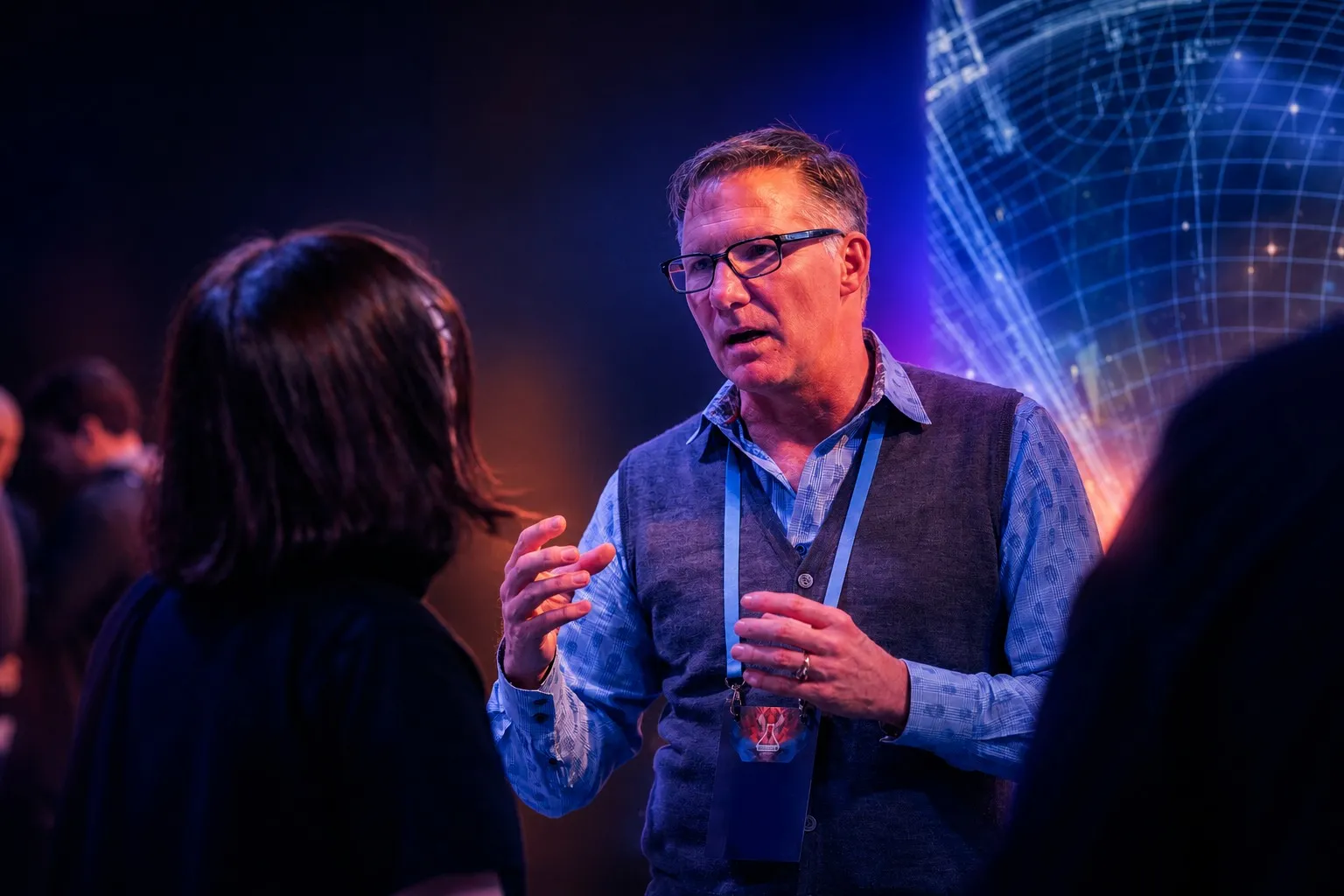
His talk, delivered on Saturday 15 October 2022 in Amsterdam, Netherlands, was titled Is Ketosis the Ultimate Biohack? First Principles of Metabolic Health & Human Performance. It was part manifesto, part case for reform, and part autobiography.
Born Into Ketosis
Greenow began where he believed the strongest argument lay: at the beginning of life itself.
“Babies are born in ketosis,” he told the audience, using infancy as a biological clue to what the body may be designed to do under ideal conditions. Citing research on maternal and neonatal ketone levels, he described newborns as entering the world already adapted to using ketones, with the placenta maintaining especially high levels. For Greenow, that fact carried philosophical as well as clinical weight.
“If the most important thing for a child is neurological development, we can assume that ketones have something special here,” he said.
It was a characteristic move throughout the talk. Greenow repeatedly took scientific observations and widened them into civilisational questions. If ketones were central to early brain and bone development, he suggested, then modern assumptions about carbohydrates as the default human fuel deserved more scrutiny than they usually received.
A Critique Of Agriculture And The Modern Plate
From there, Greenow widened the frame dramatically, tracing what he saw as a long historical rupture. Before agriculture, he argued, human beings had lived largely on animal foods and natural fats, developing a metabolism better suited to fat adaptation than to grain dependency. The great dietary turn came with the agricultural revolution, when societies shifted toward grasses, flour, bread and beer, not because those foods were biologically optimal, but because they were shelf stable and politically useful.
“Bread was not about having an optimal food,” Greenow argued. “Bread was about allowing an army to march.”
That line captured the underlying tension in his presentation: the idea that many of the foods now treated as staples became dominant for reasons of empire, trade, convenience and subsidy, not human flourishing. He linked that shift to a modern epidemic of obesity, Type 2 diabetes and inflammatory disease, particularly in the United States, where subsidised corn, soy and wheat have shaped both the food supply and public policy.
“Our DNA has not changed in four hundred years,” he said. “Why should we assume that carbohydrates are the right food when nutritional ketosis has clinical trials proving it for more disease states than any other dietary approach?”
The Case Against Sick Care
If Greenow’s historical critique was sweeping, his criticism of modern medicine was more direct. He argued that healthcare systems, especially in the United States, had become reactive rather than preventative, profiting from disease management instead of metabolic resilience.
“The biggest buildings across America are hospitals because we have sick care, not health care,” he said. “We are not doing the preventative work that we need to do.”
That argument has become common in wellness and metabolic health circles, but Greenow sought to anchor it in the language of evidence. He pointed to the volume of published research and clinical trials involving ketogenic diets, presenting ketosis not as fringe experimentation but as an underused therapeutic tool. In his telling, the disconnect between evidence and public guidance was not scientific caution so much as economic inertia, reinforced by agricultural subsidies and entrenched institutional interests.
Ketones As Fuel, Signal And Therapy
Greenow’s most expansive claims concerned what ketones do inside the body. They were not, he said, merely an alternative fuel source. They functioned as signalling molecules, affecting inflammation, energy regulation and possibly even psychiatric health.
He highlighted evidence for ketogenic diets in epilepsy, metabolic syndrome and Type 2 diabetes, then moved into more speculative but increasingly discussed territory: bipolar disorder, schizophrenia, ADHD, fertility challenges linked to polycystic ovarian syndrome, and adjunctive care in cancer treatment.
This was the part of the talk where ketosis ceased to be simply nutritional and became existential. Greenow described his own experience in deeply personal terms, linking blood ketone levels to mood stability, cognitive sharpness and the elusive feeling of being in command of one’s life.
“When my ketones are in range, I reach a flow state and feel like I can take on the world,” he said.
It was more than a throwaway line. Greenow used that feeling to explain the improbable arc of his own career: losing 22 kilos, reversing metabolic issues, then founding Keto-Mojo in 2017 to challenge far larger companies by making blood glucose and ketone testing cheaper and more accessible.
“Imagine the hubris of starting a company to go up against big pharma and then actually achieving it,” he said.
Human Performance Beyond The Afternoon Slump
For an audience of biohackers, many of whom came in search of tools for sharper cognition and greater endurance, Greenow reserved some of his most vivid imagery for performance.
He opened the talk by joking that his ketones had risen before taking the stage, contrasting his own state with that of “glucose burners” who, he said, wilted in the afternoon. Beneath the humour was a serious point about metabolic flexibility. Ketones, he argued, offer stable energy to the brain and body, bypassing some of the constraints of glucose metabolism and helping users avoid crashes in attention and output.
He also pointed to endurance sport, where fat adaptation has attracted intense interest. Citing ultra-runner Zach Bitter, Greenow described ketosis as a way to access the body’s vast fat reserves rather than relying on limited glycogen stores that leave runners “hitting the wall”. He extended the same logic to mixed martial artists, military applications and even support for traumatic brain injury recovery.
In Greenow’s account, ketosis was not merely about avoiding illness. It was about expanding the operating range of the human organism.
The Environmental Turn
The final turn in the presentation was perhaps the most politically charged. Ketogenic diets are often criticised for their reliance on animal foods, particularly in an era of climate anxiety. Greenow sought to reverse that criticism by distinguishing industrial livestock production from regenerative agriculture.
“It is not the cow, it is the how,” he said.
Under holistic regenerative systems, he argued, animal agriculture could sequester carbon while producing nutrient-dense food. He cited a figure of three point five kilograms of carbon sequestered for every one kilogram of protein produced, presenting metabolic health and ecological stewardship not as rivals, but as potential allies.
It was a strategic conclusion. By ending there, Greenow attempted to widen ketosis from a personal optimisation strategy into a worldview, one that joined human performance, disease prevention and land use under a single metabolic logic.
A Biohack Or A Belief System?
What made Greenow’s talk memorable at Biohacker Summit 2022 Amsterdam was not simply the case he made for ketosis, but the scale of the story he told around it. In his telling, ketones were at once ancestral fuel, clinical intervention, mood stabiliser, athletic advantage and ecological proposition. The body in ketosis became a symbol of alignment, with biology, with evidence, and with a more preventive model of health.
Whether one accepted the full reach of that argument or not, Greenow presented ketosis as more than a diet trend. He cast it as a challenge to the assumptions of modern life: what we eat, what medicine treats, what farming rewards, and what kind of energy we believe a human being is meant to run on.
For the Amsterdam audience, the question posed in the title remained provocative precisely because Greenow treated it not as a gimmick, but as a first-principles test of the modern condition. If humans were, in some fundamental sense, built for metabolic flexibility, then the real biohack might not be an invention at all. It might be a return.
Frequently asked questions
Where does Dorian Greenow start his argument?
At the beginning of life. Babies are born in ketosis, he told the audience, using infancy as a biological clue to what the body may be designed to do under ideal conditions, and citing research on maternal and neonatal ketone levels.
What is his critique of agriculture?
Greenow traced a long historical rupture, arguing that before agriculture human beings lived largely on animal foods and natural fats, developing a metabolism better suited to fat adaptation than to grain dependency, and that the agricultural turn changed that.
What does he say about modern medicine?
That healthcare systems, especially in the United States, have become reactive rather than preventative, treating disease once it arrives instead of addressing the metabolic conditions that produce it.
About the event
This recap is part of the Biohacker Summit 2022 Amsterdam series, recorded in Amsterdam on 15 and 16 October 2022. Read the summary of the whole event or join the next edition, HOLOLIFE Summit 2026 Amsterdam, on 14 and 15 November 2026.
In this story


Comments
Loading comments…