'Our dopamine is out of whack': biohacker Davinia Taylor on addiction, ADHD and evolutionary mismatch
By Teemu Arina · · Updated
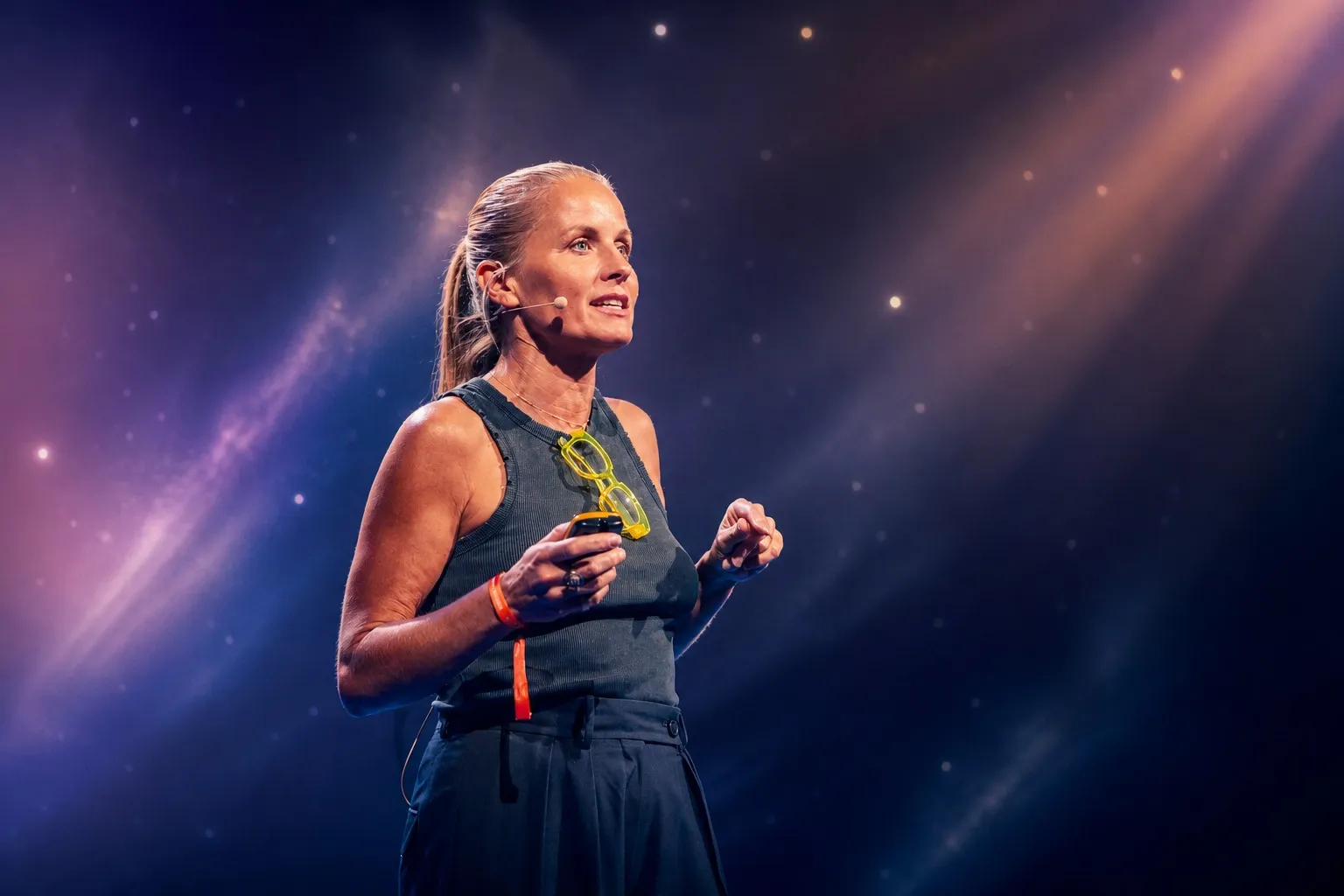
Bestselling author delivers candid insights on hormonal health and personalized wellness at HOLOLIFE Summit in Estonia
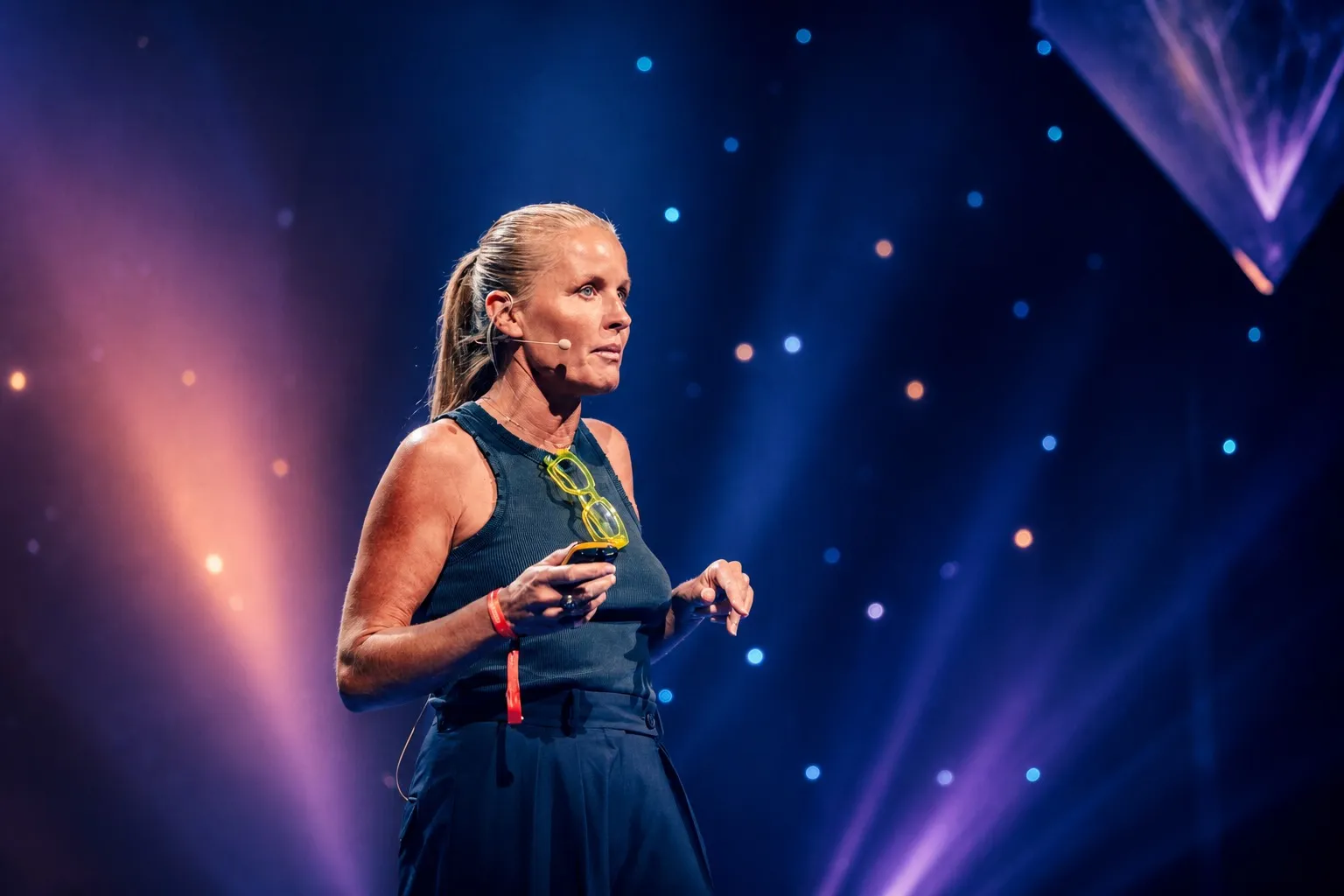
The evolutionary mismatch driving dopamine dysregulation
"I'm the ultimate multitasking, bad-tempered lunatic in the morning, and you know what? I vibe with it, because that's how my DNA tells me to thrive," declared Davinia Taylor to an enthralled audience at the HOLOLIFE Summit 2025 Europe in Tallinn last weekend.
The founder of WillPowders and Sunday Times bestselling author delivered a refreshingly honest presentation on dopamine regulation, addressing how modern lifestyles have created what she terms an "evolutionary mismatch" with our biology.
Taylor, who describes herself as a "biohacker mother with ADHD," argued that contemporary environments are particularly hostile to certain neurotypes. "Most of humanity's history, we've been hunter-gatherers. Our personalities are about seeking danger, going on adventures, and using adrenaline for the right purpose," she explained.
"Our dopamine is out of whack because we're not living how our DNA wants us to, and the addiction to instant gratification is wrecking lives, whether it's shopping, gaming, or processed food."
From screen addiction to evolutionary biology
During her Saturday presentation at the three-day summit, Taylor drew parallels between social media algorithms and slot machines, highlighting how both exploit dopamine pathways through unpredictable rewards. This comparison resonated with many attendees, particularly as she warned of "a dopamine dysregulation epidemic among ten-year-olds."
The biohacker's frank discussion of her own past alcohol addiction provided context for her approach to hormone regulation. Having been sober for 17 years, Taylor shared insights about the biochemical nature of addiction: "It was acetate, the energy molecule—lit me up, made me confident, made mundane tasks possible."
Her explanation of withdrawal experiences was particularly moving. "You can rewire your brain in thirty days, but the withdrawal feels like the blood-curdling fear of hearing you have six months to live—ultimate grief and hopelessness that comes back every few minutes."
Personalized approaches to neurochemical balance
In contrast to conventional medical approaches, Taylor advocated for individualized strategies to manage dopamine levels. She rejected ADHD medication after personal experience left her feeling "despondent, disconnected, bored—creepy, even."
Instead, she championed ketogenic diets, MCT oil, exogenous ketones, and amino acid supplementation as alternative approaches to neurochemical balance. Citing research by Dr. Chris Palmer, she explained how ketogenic diets might benefit recovering alcoholics by providing ketone bodies similar to acetate.
A particularly intriguing segment of her talk focused on recently discovered neuropod cells, which rapidly communicate nutrient information from the gut to the brain. "As an alcoholic, even a mouthful of alcohol can instantly light up my brain due to neuropods," Taylor explained, suggesting that understanding these mechanisms could transform approaches to food addiction.
Embracing neurodiversity and community connection
Beyond biochemical interventions, Taylor emphasized the importance of social structures and accepting neurodiversity. "We've been separated from our tribe, but it takes a village to raise a child and all personality traits are absolutely valuable; we're all just as important regardless of our differences," she said.
This perspective drew enthusiastic responses from the HOLOLIFE Summit attendees, many of whom were health optimizers seeking alternatives to conventional medical paradigms.
Taylor concluded with a characteristic blend of humor and insight: "You are n of one—there's no standard proof that fits everyone, so in the meantime, stay connected, keep hacking yourself, and embrace your unique path to health and wellbeing."
The HOLOLIFE Summit 2025 Europe ran from June 13-15 in Tallinn, featuring numerous presentations on health optimization, biohacking, and wellness strategies. Taylor's candid approach to mental health and addiction recovery positioned her talk as one of the event's most discussed sessions, offering a refreshing counterpoint to more clinical discussions of hormone regulation.
Frequently asked questions
What does Davinia Taylor mean by dopamine dysregulation?
Taylor drew a parallel between social media algorithms and slot machines, both exploiting dopamine pathways through unpredictable rewards, and warned of a dopamine dysregulation epidemic among ten-year-olds. Her own past alcohol addiction gave the argument a personal edge.
Why did she reject ADHD medication?
Taylor said the experience left her feeling despondent, disconnected and bored. In its place she championed ketogenic diets, MCT oil, exogenous ketones and amino acid supplementation as routes to neurochemical balance, citing research by Chris Palmer.
What role does community play in her approach?
A large one. Taylor argued that we have been separated from our tribe, that it takes a village to raise a child, and that all personality traits are valuable. Accepting neurodiversity, in her account, matters as much as any biochemical intervention.
About the event
This recap is part of the HOLOLIFE Summit 2025 Europe series, recorded in Tallinn on 14 and 15 June 2025. Read the summary of the whole event or join the next edition, HOLOLIFE Summit 2026 Amsterdam, on 14 and 15 November 2026.
In this story
Comments
Loading comments…