News
Wellness Technology: Examples of Companies and Their Work
By Teemu Arina · · Updated
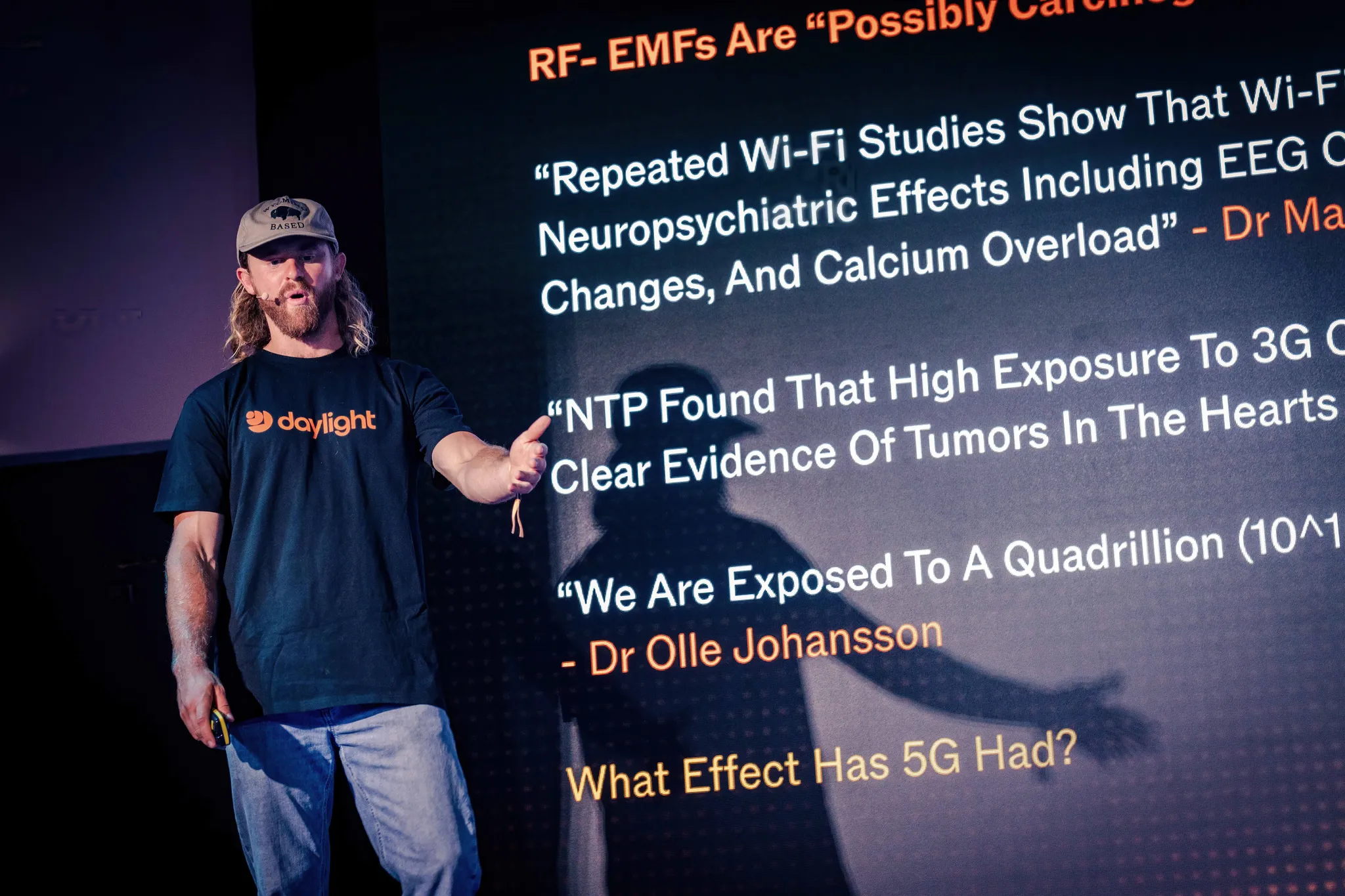
What are some examples of wellness technology companies? Examples discussed at Biohacker Summit events include Daylight Computer Company, which makes screen technology presented as a health-conscious alternative, and Viren, which develops nutrient-delivery formulations. Other examples are business categories: digital health and biometrics platforms, cryotherapy and PEMF providers, and supplement formulation companies.
A talk may describe a technology without naming a company that sells it, and a company's product description is not proof of a health benefit. The examples below follow the talks' technologies rather than ranking brands.
What are some examples of wellness technology companies?
Wellness technology companies use devices, software, treatments or formulation methods to support health goals. Their products range from wearables and health apps to recovery equipment and supplements with particular delivery systems. The industry includes established wellness businesses and newer technology-focused firms, with different business models (overview of corporate wellness company types).
At Biohacker Summit 2024 Helsinki, Tristan Scott described Daylight Computer Company's aim of offering a computer designed around light and screen characteristics. Philip Bromley described Viren's work on oral nutrient delivery and dietary supplements. At HOLOLIFE Summit 2025 Tokyo, Michael Suwa discussed cryotherapy and pulsed electromagnetic field (PEMF) treatments without naming a company, so these are service and equipment categories rather than brands.
A separate paper's Connected Health Innovation Research Program catalogued company technologies covering biometrics, sleep patterns, oxygen saturation, heart rate variability, blood pressure, weight trends and real-time metabolism tracking (digital health and wellness technology categories).
Health tracking: digital health and wellness platforms turning personal data into insights
Health-tracking companies collect measurements such as sleep patterns, heart rate variability, oxygen saturation, weight or blood pressure through devices, apps or connected services. They present the data to users or health professionals. These are product categories from the programme's catalogue, not brand recommendations (digital health and wellness technology categories).
A tracking product's value lies in what happens after it records a number. It should make clear what it measures, how often, and what decisions its feedback supports. It should also state its limits: a trend offers context, not a diagnosis or an explanation of why someone feels unwell.
Scott offered a different example of health-focused design. He described Daylight Computer Company as trying to build a "healthier Apple", focused on screen exposure and device design rather than tracking:

Tristan Scott at Biohacker Summit 2024 Helsinki
“We want to be able to have technology that allows us to be productive but in sync with nature.”
— Tristan Scott, Biohacker Summit 2024 Helsinki
Such companies seek to change the environment in which people use technology rather than measure the user. Buyers should still check what technical specifications mean in practice and distinguish a design aim from a proven health outcome.
Cryotherapy and PEMF: technology for recovery and performance
Cryotherapy providers offer cold exposure as a service or treatment, and PEMF companies offer devices or sessions delivering pulsed electromagnetic fields. Suwa described cryotherapy using liquid nitrogen gas and PEMF as a treatment intended to stimulate cells. He presented both as recovery and performance tools.
He also made claims about effects on metabolism, circulation, pain and muscle recovery. None of the papers supplied for this article tests these claims, so they are claims to investigate, not settled evidence. Because his talk names no company, these are examples of technology-led services, not businesses verified by the talk.
When comparing providers, ask what treatment or device is provided, who operates it, what training is required, and what evidence supports the advertised outcome. A provider that explains its process and limits plainly is easier to assess than one relying on sweeping promises. People with health conditions or concerns should seek professional advice first.
Nutrient delivery: where wellness products meet formulation technology

The illustration shows fats arranged into bubble-like structures alongside a supplement capsule.
Viren is the clearest named formulation-focused example. At Biohacker Summit 2024 Helsinki, Bromley described its move from pharmaceutical biochemistry and drug-delivery work to dietary supplements. The company combines fats into structures such as liposomes and micelles to improve oral delivery.
He also discussed fish oil handling and stability, and said Viren's O3 Omega uses natural emulsifiers. Supplement companies can differentiate through ingredients, processing and delivery format, not just the nutrient on the label. His talk does not by itself establish that a product produces a specific health outcome. On intellectual property, he said:

Philip Bromley at Biohacker Summit 2024 Helsinki
“We have over 50 patents worldwide, all around biochemistry, combining fats into lipids, like liposomes, micelles, cubosomes.”
— Philip Bromley, Biohacker Summit 2024 Helsinki
A technical-sounding formulation should prompt questions, not an assumption of superior absorption or effectiveness. A responsible company should explain what the formulation is designed to do, what supports its claims, and how it checks quality and stability.
How to assess a wellness technology company
Start with the product's function: recording information, changing a user's environment, providing a treatment or delivering a nutrient. Each needs different evidence. A company that states what its product does, and what it cannot establish, is easier to evaluate.
Then separate the technology from the outcome claim. A sensor can measure a signal without proving that acting on it improves health. A device can deliver cold or electromagnetic pulses without proving every marketed benefit, and a specialised formulation does not show effectiveness for every person or purpose.
Check that claims are testable. "Tracks sleep" is more concrete than "optimises health", and "designed to support oral delivery" is more precise than promises of better results. Look for details of the measurement, treatment or formulation, transparent quality controls and relevant evidence. The corporate wellness literature calls for stronger evidence as the sector develops (analysis of changing corporate wellness companies).
Consider everyday use. Does the product explain its data understandably and tell the user what to do with it? Can it back each health claim with evidence specific to that claim?
For readers interested in the wider sector, HOLOLIFE Summit 2026 Amsterdam takes place on 14th–15th November 2026 in Amsterdam.
What these technologies can and cannot tell consumers
Trackers provide measurements and patterns, cryotherapy and PEMF services provide a treatment experience, and formulation companies explain how supplements are made. None alone shows that a technology will improve an individual's health. The talks show how Scott, Bromley and Suwa describe screen design, supplement formulation and recovery technologies, but they are no substitute for independent evaluation.
The papers here describe digital-health categories and changes in corporate wellness companies. They do not verify the benefits claimed for Daylight's computer design, Viren's products, or cryotherapy and PEMF. Consumers should ask what is measured or delivered, what the evidence supports, and how much of the message is product description versus health claim.
FAQ
What are some examples of wellness tech brands?
The talks name Daylight Computer Company, discussed by Tristan Scott in connection with screen design, and Viren, discussed by Philip Bromley for nutrient-delivery formulations. Michael Suwa discussed cryotherapy and PEMF but named no company selling them.
What does a wellness technology company do?
It may build devices or software to track health information, provide a technology-based service, or develop products using particular formulation methods. Some focus on measurement, others on a treatment or on how an ingredient is delivered.
How are wellness technology companies different from health tech companies?
The terms overlap. "Health tech" often refers to technology in healthcare or clinical settings, while "wellness technology" usually means products for personal wellbeing outside them. Neither label shows whether a product's claims are clinically established.
What should consumers look for when choosing a health and wellness technology product?
Look for a clear account of what the product measures, delivers or does, and evidence relevant to its claims. Check how the company handles limitations, quality and data interpretation, and be cautious when promises go beyond the evidence.
Sources
- Digital health and wellness technology categories
- Analysis of changing corporate wellness companies
- Talk: “The Impact of Modern Technology on Health”, Tristan Scott, Biohacker Summit 2024 Helsinki.
- Talk: “Liposomal Formulations: Nutrients for Cognitive Health”, Philip Bromley, Biohacker Summit 2024 Helsinki.
- Talk: “Rejuvenate Your Youth: The Power of Cryotherapy and PEMF in Anti-Aging Method”, Michael Suwa, HOLOLIFE Summit 2025 Tokyo.
This article is for general information and is not medical advice.
In this story


Comments
Loading comments…