Biohacker Summit 2022 Helsinki
Bio-reboot Yourself with Edible Wild Plants
By Teemu Arina · · Updated
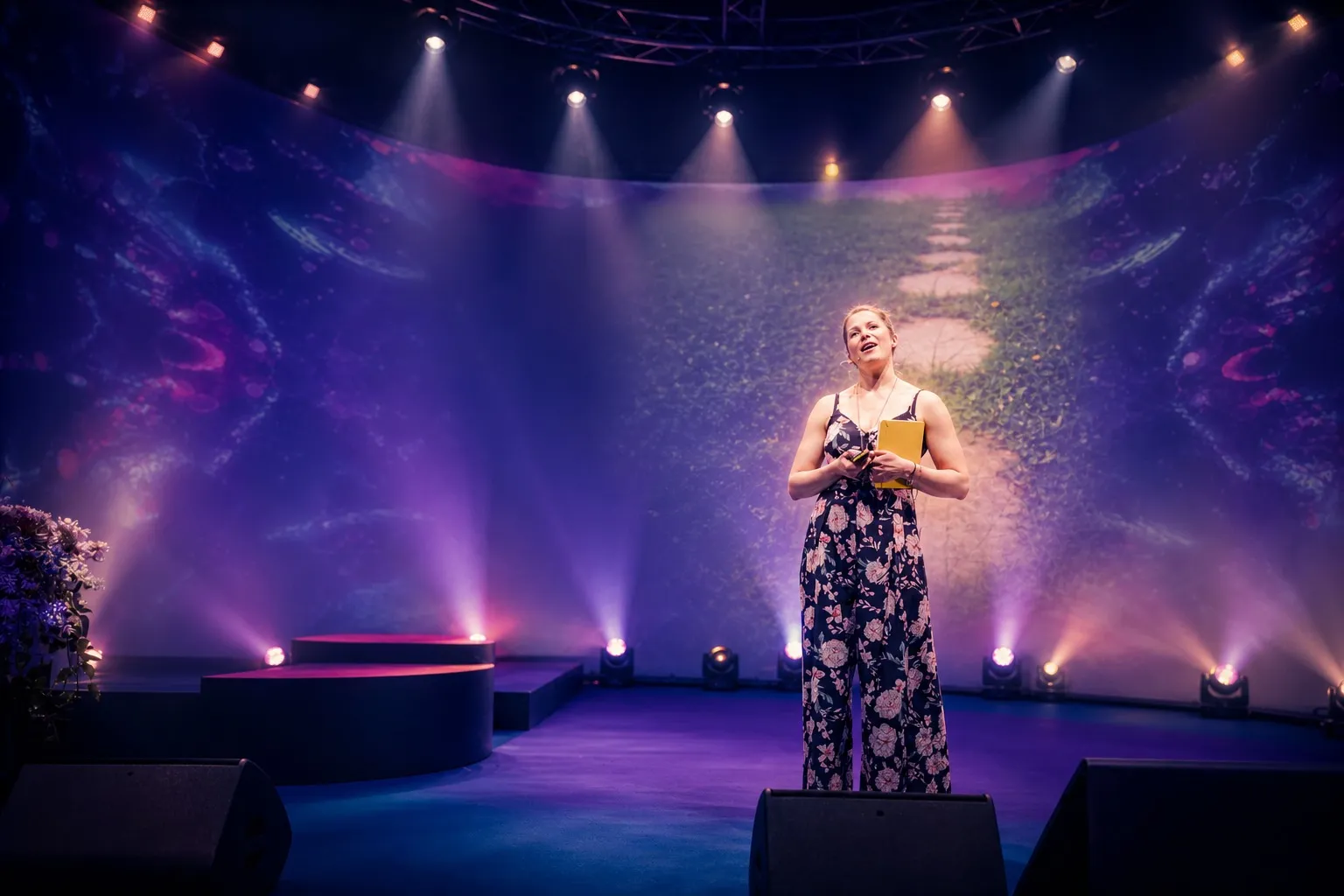
At Biohacker Summit 2022 Helsinki, Johanna Räikkönen Made The Case For A Return To Nature
In a world crowded with metrics, supplements and optimisation rituals, Johanna Räikkönen offered something at once older and more radical at Biohacker Summit 2022 Helsinki: the idea that the body did not always need to be upgraded, only reminded.
Speaking on Friday, 3 June 2022, in Helsinki, Finland, Räikkönen’s presentation, Bio-reboot Yourself with Edible Wild Plants, unfolded less like a technical seminar than an invitation to recover a lost relationship with food, movement and the living environment. A former academic researcher and educator in pharmacy, she brought scientific credibility to the stage. But it was her deep attachment to wild plants, and to the states of attention they seemed to awaken, that gave the talk its emotional centre.
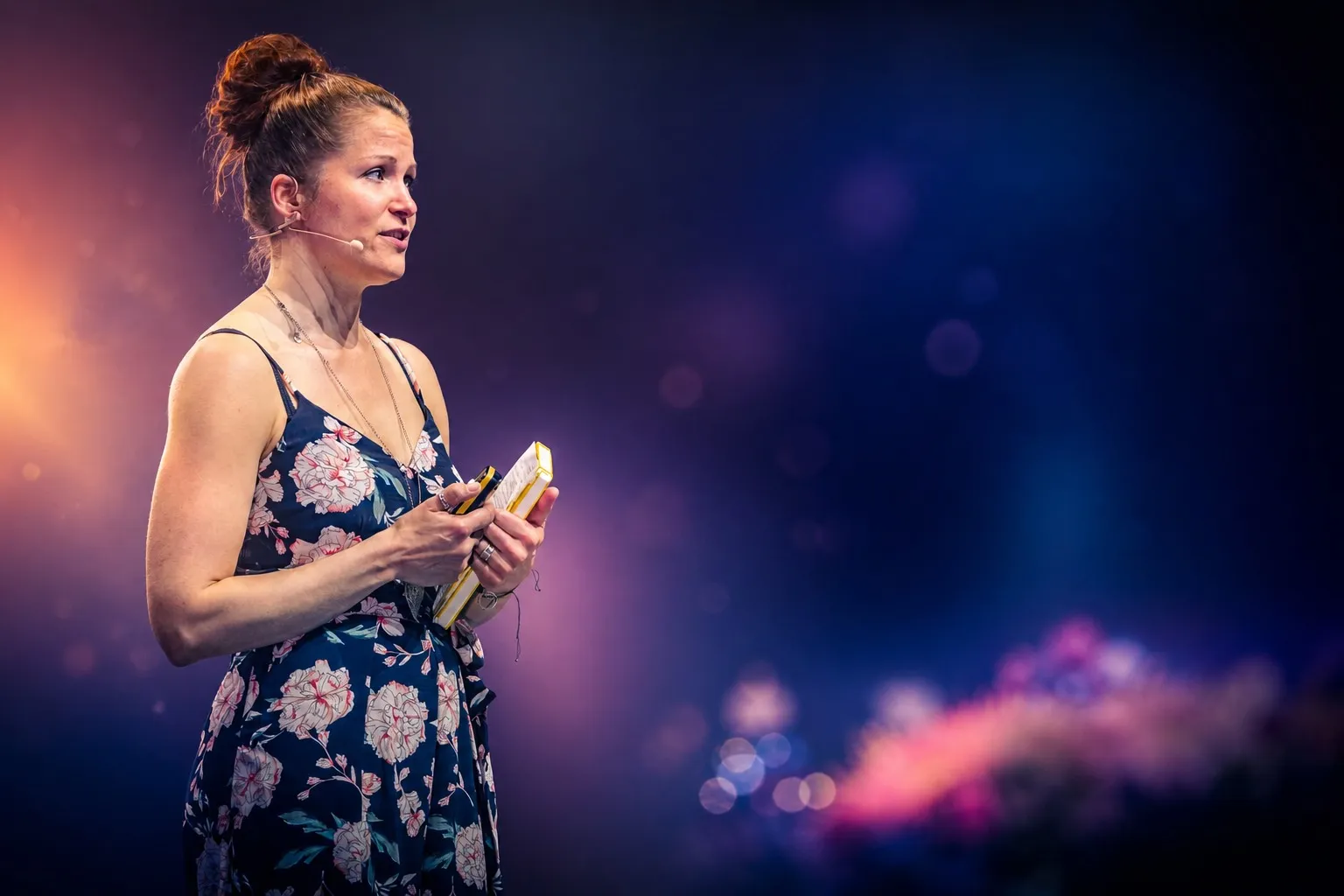
Her central proposition was simple. Edible wild plants were not merely ingredients. They were a pathway back to what she described as a “natural state of well-being”.
A Different Kind Of Biohack
Räikkönen framed foraging not as nostalgia, but as preventive healthcare. In her telling, wild herbs and greens became a daily tool for restoring mental calm, physical vitality and sensory presence.
“Wild plants are tools that contain everything,” she said. “Adding them to your diet on a daily basis is a simple way of holistically taking care of us mentally in our mind and physically in our body.”
That language mattered. At an event devoted to biohacking, where the promise of better function often arrived through technology or targeted interventions, Räikkönen shifted the emphasis toward something less industrial and more embodied. The reboot she described did not begin with devices. It began with stepping outside, breathing deeply, touching the ground and gathering what grew there.
The Body Remembered What Modern Life Had Forgotten
Again and again, Räikkönen returned to the gap between contemporary living and what she believed the human organism was built to experience. The natural state, she argued, should not be exceptional. It should be ordinary.
“We should spend most of our lives in a natural state of well-being, where we feel sensations of gratitude, love, happiness, joy, satisfaction, and hope,” she said.
Modern life, by contrast, had filled the mind with noise, abstraction and strain. People lived “in our heads”, she suggested, loaded with information yet detached from sensation. Wild plants, in her account, helped close that gap, not only because of their chemistry but because of the way they required a person to meet the world.
Foraging was presented as a corrective to disembodiment. It asked the body to participate again.
Foraging As Movement, Grounding And Attention
One of the most striking parts of the presentation was Räikkönen’s description of what happened before a plant ever reached the plate. She spoke of leaving her house in Kuopio, stepping barefoot into the green behind her home, closing her eyes and letting wind, scent and soil arrive first.
The point was not performance. It was sensory recalibration.
Foraging, she argued, naturally encouraged the kinds of movements modern people too often outsourced or abandoned: twisting, reaching, bending, squatting, balancing. “Edible wild plants really make you move like you should every day,” she said. “You twist and reach, you bend and squat, and you are balancing all the time.”
In that formulation, gathering food became a full-body practice. It trained mobility and fine motor control. It sharpened awareness. It grounded the nervous system through direct contact with the environment. Even the act of locating tiny herbs between blades of grass became a kind of attentional exercise, one that rewarded patience rather than speed.
Food That Woke The Senses Before It Nourished The Body
Räikkönen’s examples were vividly local and seasonal: spruce tips, ground elder, yarrow, nettles, rowan leaves, wild strawberry leaves, red clover, lady’s mantle. These were not abstract superfoods imported from somewhere else and wrapped in marketing mythology. They were the overlooked abundance of nearby landscapes.
She described the tartness of fresh spruce tips as something almost electric, a taste that triggered salivation and readied the digestive system. Flavor, in her account, was not incidental. It was functional. Bitterness, sourness, tartness, aromatic oils and volatile compounds all signalled the body to prepare for digestion and absorption.
This was one of the speech’s strongest themes: that nourishment began with sensing. Food had to be encountered, not merely consumed.
“You have to connect to your food with body and mind,” she said. “If you are not sensing what you are eating, being in gratitude, and being prepared to have that food inside, it doesn't really matter what you have on your plate.”
It was a rebuke to the flat utilitarianism that can reduce eating to macros, labels and efficiency. However nutritious a meal looked on paper, Räikkönen suggested, something essential was lost if attention and gratitude were absent.
The Nutritional Argument Was Robust, Not Romantic
Though the talk leaned heavily into feeling and experience, Räikkönen did not abandon biology. Drawing on her scientific background, she described wild herbs as nutrient-dense foods rich in flavonoids, minerals, vitamins and phenolic compounds. She noted that many also contained etheric oils associated with antimicrobial and antiviral properties.
Their benefits, as she outlined them, were systemic. Wild plants could support digestion, stimulate digestive fluids, aid acid formation and strengthen the gut microbiome through both prebiotic and probiotic qualities. From there the claims widened: support for circulation, metabolism, heart function, brain health and general vitality.
Some plants, she said, also had more targeted uses. Lady’s mantle and red clover were presented as allies for women’s hormonal balance, while yarrow and nettle seeds were cited in relation to men’s vitality. Nettle seeds in particular, she suggested, carried a potent energising effect.
This potency, she warned, was not purely theoretical. Consumed too late in the evening, some wild plants could be stimulating enough to interfere with sleep.
Gratitude, Community And Preventive Health
What distinguished the talk was the way Räikkönen refused to separate health from mood, ritual or relationship. The value of wild plants did not end in nutrient density. It extended into the emotional atmosphere around food: gratitude, calm, shared preparation, communal eating.
When she gathered plants and brought them into the kitchen, she said, what followed was not only nourishment but appreciation. The act of picking food herself sharpened a sense of abundance. Preparing meals with family or friends added another layer of well-being, one rooted in bonding rather than biochemistry.
In this sense, her presentation was as much about orientation as ingestion. Wild plants became a means of prevention not only because they supplied useful compounds, but because they interrupted stress and returned a person to the present tense. In that state, she argued, the body’s own healing intelligence became easier to hear.
“Wild plants can really return our bodies to their natural state, where our body's wisdom really comes up,” she said.
A Finnish Synthesis Of Tradition And Longevity
Toward the close of the session, Räikkönen widened the frame further, linking edible wild greens, or horta, with another deeply rooted practice: the Finnish sauna. Together, she suggested, they formed a powerful integrated approach to holistic health.
It was an image that captured the whole spirit of the talk. Not optimisation as accumulation, but as reconnection. Not health as an endless battle against the body, but as a patient effort to restore the conditions in which it could function well.
At Biohacker Summit 2022 Helsinki, Johanna Räikkönen offered a vision of longevity grounded not in novelty but in intimacy: with landscape, with sensation, with food and with the body itself. In a culture often tempted by the spectacular, her message was almost disarmingly modest. Step outside. Pick what grows. Taste it fully. Let the body remember.
Frequently asked questions
How does Johanna Räikkönen frame foraging?
As preventive healthcare rather than nostalgia. Wild plants are tools that contain everything, she said, and adding them to the diet daily is a simple way of holistically taking care of yourself, restoring mental calm, physical vitality and sensory presence.
What does she mean by a natural state?
That it should be ordinary rather than exceptional. We should spend most of our lives in a natural state of well-being, she argued, where we feel sensations of gratitude, love, happiness and joy, and much of her case is about how far modern life has drifted from that.
What happens before the plant reaches the plate?
Most of the value, in her telling. She described leaving her house in Kuopio and stepping outside barefoot, treating the walk, the grounding and the attention involved in gathering as part of the intervention rather than preliminaries to it.
About the event
This recap is part of the Biohacker Summit 2022 Helsinki series, recorded in Helsinki on 3 and 4 June 2022. Read the summary of the whole event or join the next edition, HOLOLIFE Summit 2026 Amsterdam, on 14 and 15 November 2026.
In this story
Comments
Loading comments…