
From Nanocarbon to Longevity
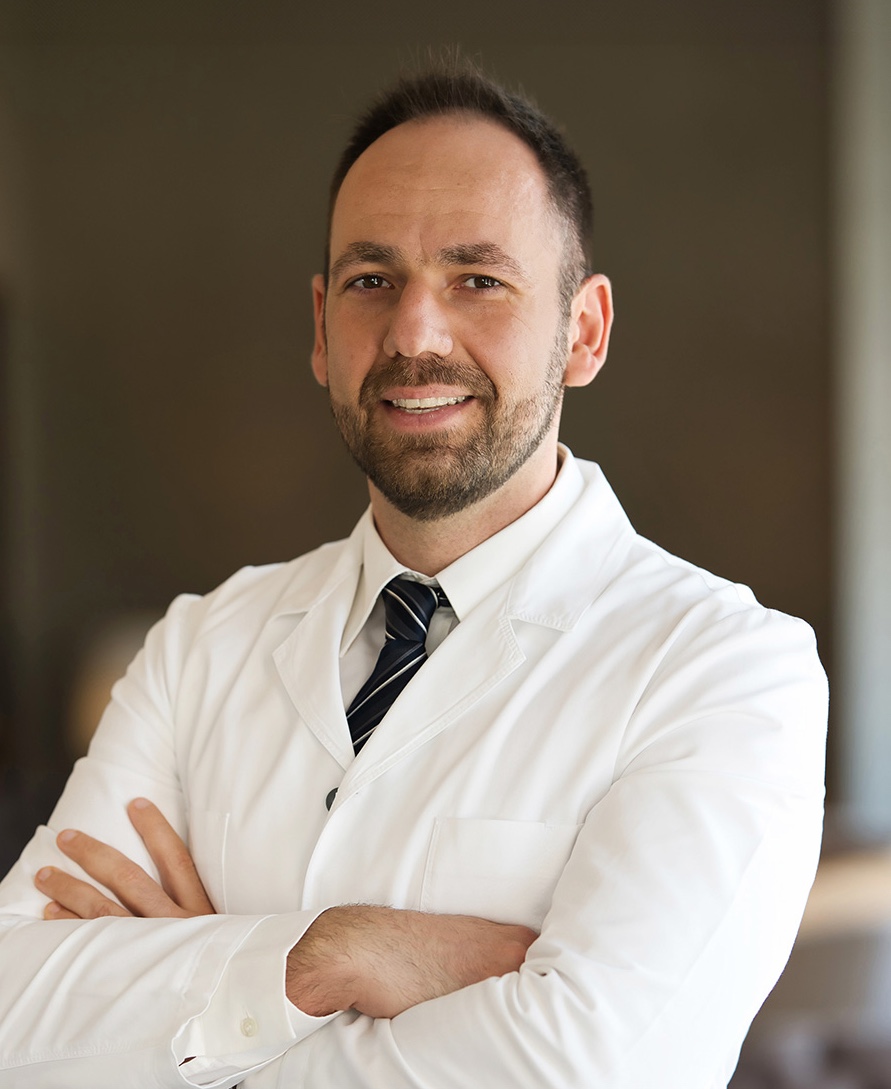
Speaker biography
Dr. Chris Bachtsetzis is a lifestyle and longevity medicine physician, biohacking specialist, health coach, researcher, clinical associate, international speaker, and European Lifestyle Medicine Organisation country representative for Switzerland and Cyprus. He connects scientific research with clinical practice and focuses on longevity, metabolic health, chronic disease reversal, and personalized evidence-based care.
The following text is generated with artificial intelligence. Accuracy is not guaranteed.
From Nanocarbon To Longevity: Clinical Applications Of Fullerene C60 & Light Therapy
“Longevity is a trend nowadays, but I like to view it as prevention. It is about using science-based applications to help people live pain-free and bring results that you can truly see and feel.”
— Chris Bachtsetzis
Description
Nanocarbon C60, a Nobel-winning icosahedron molecule, transforms preventative medicine through regenerative photobiomodulation. The FDA-approved Bioptron Hyperlite utilizes full-spectrum light (350–3400 nm) to accelerate tissue healing, mitigate rheumatoid inflammation, and optimize mitochondrial power. Complementary C60 eyewear transforms light by filtering harmful 400–480 nm LED wavelengths, enhancing mental focus and reducing fatigue. Furthermore, C60-infused skincare provides photo-stable antioxidant defense superior to vitamins C and E, strengthening the skin’s antimicrobial barrier and biophysical resilience.
Summary
- Nanocarbon Fullerene C60 is a Nobel Prize-winning antioxidant molecule that protects cells from radiation and neutralizes free radicals more effectively than vitamins C or E.
- Bioptron Hyperlite uses photobiomodulation across a wide spectrum of light to regenerate tissues, reduce inflammation, and boost mitochondrial function for longevity.
- FDA-approved light therapy provides clinical benefits for wound care, sports injury rehabilitation, rheumatoid arthritis pain relief, and various dermatological conditions.
- Specialized glasses with C60 filters transform harmful sunlight and LED light into beneficial wavelengths, reducing eye fatigue and enhancing mental focus.
- Skincare products featuring Fullerene C60 strengthen the skin's protective barrier and improve flexibility through superior photostability and antimicrobial properties.
Key points
- The Bioptron Hyperlite device utilizes a comprehensive spectrum of light ranging from 350 to 3,400 nanometers, which offers more extensive cellular results than traditional red-light therapy.
- Photobiomodulation technology is effectively used in dental practices to assist with the treatment of periodontitis and manage post-implant inflammation and pain.
- Specialized Fullerene C60 eyewear filters out the specific harmful range of LED light found between 400 and 480 nanometers, shifting it toward more beneficial wavelengths.
- Topical application of nanocarbon particles helps reinforce the skin's basement membrane, enhancing both its flexibility and its capacity to act as a barrier against microbes.
- Beyond eye protection, the use of light-transforming filters has been shown to improve mental focus and alertness in professional athletes and individuals driving at night.
Things to learn
- View longevity as a proactive, daily preventative practice rather than a reactive medical trend.
- Utilize broad-spectrum photobiomodulation to accelerate injury rehabilitation and manage chronic pain without increasing medication.
- Wear light-filtering glasses to harmonize incoming light, which preserves mental focus and reduces eye fatigue during long tasks.
- Substitute conventional skin antioxidants with Fullerene C60 products for superior stability and protection against environmental radiation.
- Avoid applying heat-emitting light therapy or taking hot showers on areas recently treated with Botox.
Notable quotes
- “Photobiomodulation helps with regenerating tissues, provides anti-inflammatory benefits, and boosts the power of mitochondria to bring fantastic results on a cellular level.”
- “Fulleren C60 is more antioxidative than vitamin C or vitamin E, offering superior photo stability to protect the skin and help the organism absorb what is beneficial.”
- “These filters harmonize light before it reaches your eyes, reducing negative wavelengths and keeping the beneficial parts to increase mental focus and prevent fatigue.”
- “In daily practice, it is a success when patients can live pain-free and reduce their medication by using targeted light technology for rehabilitation and recovery.”
- “By applying the biophysical properties of nanocarbon, we enhance the functionality of the skin to make it stronger and more flexible, acting as a protective layer for the body.”
Questions to ask
- For a patient looking to optimize their mitochondrial health at home, what is the ideal daily protocol in terms of duration and distance when using the Bioptron Hyperlite device?
- Since the Fullerene C60 filters help harmonize light, how does wearing these glasses throughout the day specifically impact our circadian rhythms and the quality of deep sleep?
- In the context of longevity medicine, how do you see nanocarbon-based therapies synergizing with other interventions like personalized nutrition or specific supplementation protocols?
- You mentioned the benefits for skin wellness and the basement membrane; how does the long-term application of C60 influence the biological age of the skin compared to traditional topical antioxidants?
- Beyond the immediate increase in mental focus for athletes, what are the potential neuroprotective benefits of using hyperlight transformation to filter the artificial light environments we work in every day?
Keywords
Magazine article
From Nanocarbon To Longevity
At Hololife Longevity Cote d'Azur, Dr. Chris Bachtsetzis Made The Case For A New Preventive Medicine Built On Light, Carbon, And Clinical Pragmatism
Longevity has often been sold as fantasy: a glossy promise wrapped in elite supplements, futuristic devices, and the oldest human desire of all, to outrun decline. But at Hololife Longevity Cote d'Azur in Nice, France, on 12 March 2026, Dr. Chris Bachtsetzis brought the conversation back to earth.
In his presentation, From Nanocarbon To Longevity: Clinical Applications Of Fullerene C60 & Light Therapy, Bachtsetzis, a lifestyle and longevity medicine physician, framed the field not as an indulgence in speculative immortality but as something more grounded, more useful, and more urgent: prevention.
“I am a clinician,” he told the audience, signaling from the outset that this would not be a sermon on miracle cures. It would be a report from daily practice, where evidence, patient response, and modesty still mattered.
A Molecule That Looked Like A Football And Entered Medicine By Another Door
At the center of Bachtsetzis’s talk was Fullerene C60, a nanocarbon structure discovered in 1985 and later associated with Nobel-winning research. Shaped like an icosahedron, it has long fascinated scientists for its geometry alone. But in Nice, its allure was not mathematical. It was biological.
Bachtsetzis described Fullerene C60 as a powerful antioxidant with protective effects against radiation and oxidative stress. “Fulleren C60 is more antioxidative than vitamin C or vitamin E,” he said, emphasizing its superior photostability and potential as a protective agent in both skincare and optical filtering.
The appeal here was not simply that C60 sounded advanced. It was that it had been adapted into products claiming to intervene in the ordinary damage of modern life: inflammation, fatigue, tissue stress, LED overexposure, and skin degradation. In an age saturated with artificial light and chronic metabolic strain, the molecule was presented as less a curiosity than a tool.
The Promise Of Photobiomodulation
If Fullerene C60 supplied the molecular intrigue, photobiomodulation gave the talk its clinical backbone.
Bachtsetzis devoted much of his presentation to the Bioptron Hyperlite, an FDA-approved and EC-approved light therapy device that, he said, operated across a broad spectrum from 350 to 3,400 nanometers. That range distinguished it, in his view, from the narrower red-light devices now fashionable across wellness culture.
“Photobiomodulation helps with regenerating tissues, provides anti-inflammatory benefits, and boosts the power of mitochondria to bring fantastic results on a cellular level,” he said.
The line between wellness trend and medical intervention can often blur beyond usefulness. Bachtsetzis tried to sharpen it. He noted that photobiomodulation was not a recent fad but a decades-old field, born partly from failed cancer experiments that unexpectedly revealed benefits in tissue repair and inflammation control. Science, as ever, had advanced through detour and accident.
What mattered in Nice was the claim that broad-spectrum light could do more than soothe. It could accelerate healing, support recovery, and reduce pain in measurable ways.
Where The Device Met The Patient
The strongest moments of the presentation came not in the technical explanation but in the human detail.
Bachtsetzis described using the technology in sports medicine, injury rehabilitation, wound care, autoimmune pain management, dermatology, and even dental practice. He spoke of periodontitis, implant-related discomfort, mucosal pain, and inflammatory conditions such as rheumatoid arthritis. The point was not that light replaced medicine, but that it might reduce dependence on it.
“In daily practice, it is a success when patients can live pain-free and reduce their medication by using targeted light technology for rehabilitation and recovery,” he said.
That sentence captured the ethic of the talk. There was little utopian language, and notably little overclaiming. He explicitly rejected gimmickry. The products, he said, would not protect anyone from cancer or make them smarter. They would not work identically for every person. But they had shown enough value in practice to deserve serious attention.
There was, in that restraint, a degree of credibility often absent from the longevity marketplace.
Light, Filtered Before It Became Fatigue
The presentation then shifted from therapy to exposure, from treatment to the conditions of contemporary living. Bachtsetzis introduced eyewear built with Fullerene C60 filters, designed to alter incoming light before it reached the eye.
“These filters harmonize light before it reaches your eyes, reducing negative wavelengths and keeping the beneficial parts to increase mental focus and prevent fatigue,” he said.
The claim was especially pointed in relation to LED light, which he identified as particularly harmful in the 400 to 480 nanometer range. In a world of screens, office lighting, phones, dashboards, airports, and insomnia, this was not a peripheral concern. It was one of the ambient injuries of modernity.
The glasses, he said, preserved beneficial wavelengths while reducing harmful ones. Their function was not merely protective but performance-oriented. Bachtsetzis cited improved focus, reduced fatigue, and better endurance in athletes and night drivers. In another context such claims might have sounded inflated. Here, framed as incremental improvements in visual and cognitive comfort, they felt more plausible.
Skincare As Barrier Medicine
Perhaps the most quietly radical part of the talk was Bachtsetzis’s discussion of skincare. In much of consumer culture, skincare is sold as vanity. Here it was presented as barrier medicine.
By incorporating Fullerene C60 into topical formulations, he argued, it was possible to reinforce the skin’s structural resilience, improve flexibility, and provide antimicrobial and anti-radiation support.
“By applying the biophysical properties of nanocarbon, we enhance the functionality of the skin to make it stronger and more flexible, acting as a protective layer for the body,” he said.
He returned to the language of filtration and selectivity. The skin, like the eye, was not simply a passive surface. It was an intelligent boundary. “The skin is like a sponge,” he suggested, describing how C60-based products could help the body absorb what was beneficial while guarding against what was not.
In that formulation, skincare ceased to be cosmetic excess and became part of a larger preventive logic: fortify the body’s interfaces with the world.
A Different Language Of Longevity
What set Bachtsetzis apart at Hololife Longevity Cote d'Azur was not just the content of his presentation but its tone. He treated longevity neither as luxury branding nor as transhumanist myth. He treated it as disciplined maintenance.
That perspective matched his broader biography. As a physician focused on lifestyle medicine, metabolic health, chronic disease reversal, and evidence-based personalized care, he occupied a space between research and clinic, aspiration and practicality. His message in Nice reflected that balance.
Longevity, in his telling, was not the denial of ageing. It was the reduction of preventable suffering. It was wound healing that happened faster, inflammation that quieted sooner, medication that could sometimes be lowered, skin that defended itself better, eyes that tired less quickly, and patients who returned smiling.
The seduction of the field lies in its grand promises. But the dignity of medicine lies elsewhere, in smaller victories. A woman with less pain. A recovering athlete. A patient who sleeps better after less visual strain. A treatment that helps without pretending to be salvation.
Prevention, Not Prophecy
By the close of From Nanocarbon To Longevity, Bachtsetzis had drawn a clear line through his subject. Nanocarbon, light therapy, filtered eyewear, and C60-infused skincare were not magic. They were instruments. Their value would depend on context, evidence, and use.
That may have been the most important message of the day.
In a sector crowded with exaggerated language and commercial mystique, the most persuasive argument was the simplest one: prevention works best when it is honest about its limits.
And so in Nice, amid the glow of longevity discourse, Dr. Chris Bachtsetzis offered something rarer than hype. He offered proportion.
Research article
the light and the cage: how nanocarbon and photobiomodulation are redefining longevity
The future of longevity may rely heavily on the manipulation of light and the deployment of microscopic carbon cages. Clinical applications of photobiomodulation and nanocarbon structures suggest promising avenues for tissue regeneration and oxidative stress reduction. Evidence leans toward these technologies offering substantial benefits in accelerating wound healing and mitigating chronic inflammation. However, while early data and clinical observations are robust, researchers emphasize that these modalities represent targeted preventative practices rather than miraculous panaceas.
In the sun-drenched city of Nice, France, the post-pandemic paradigm of medicine took center stage at the Hololife Longevity Cote d'Azur event on March 12, 2026. The overarching theme of the conference revolved around a critical shift in modern healthcare: moving away from reactive treatments and toward proactive, daily preventative practices. Among the leading voices advocating for this transition was Dr. Chris Bachtsetzis, M.D., a lifestyle and longevity medicine physician, biohacking specialist, and European Lifestyle Medicine Organisation country representative for Switzerland and Cyprus. Bridging the gap between rigorous scientific research and daily clinical practice, Dr. Bachtsetzis presented a compelling case for the integration of two seemingly disparate fields: the nanochemistry of carbon molecules and the biophysics of light therapy.
Through his presentation, titled "From Nanocarbon to Longevity," Dr. Bachtsetzis outlined how advanced photobiomodulation and Fullerene C60 nanocarbon are moving from experimental laboratories into personalized, evidence-based patient care. His clinical observations, supported by extensive literature, suggest that when we optimize mitochondrial power and defend the skin and eyes against environmental radiation, we can actively reverse chronic disease markers and enhance metabolic health.
the icosahedron molecule and radical scavenging
The story of the medical application of nanocarbon begins not in a biology lab, but in the realm of astrophysics. Discovered serendipitously in 1985 during experiments designed to simulate the carbon condensation of dying stars, Fullerene C60 is a uniquely stable carbon allotrope [1]. Structurally, the molecule resembles a microscopic soccer ball, forming a perfect icosahedron made up of 60 carbon atoms arranged in 20 distinct hexagonal and pentagonal bases [2]. The structural elegance and profound chemical implications of this discovery were so significant that its discoverers—scientists Robert F. Curl, Harold W. Kroto, and Richard E. Smalley—were awarded the Nobel Prize in Chemistry approximately eleven years later, in 1996 [3].
In the context of human biology and longevity, Fullerene C60 is highly prized for its exceptional capacity to neutralize free radicals and combat oxidative stress. According to current pharmacological models, its sp2-carbon cage structure provides massive surface area and unique electronic properties, allowing it to act as a highly efficient "radical sponge" [4]. The molecule readily entraps and inactivates highly reactive oxygen species (ROS), including superoxide and hydroxyl radicals, due to its delocalized pi-electrons [5]. During his presentation, Dr. Bachtsetzis highlighted that this nanocarbon molecule exhibits antioxidative properties vastly superior to conventional antioxidants like vitamin C and vitamin E.
The application of this Nobel-winning molecule has increasingly permeated dermatology and skincare. Because environmental radiation and oxidative stress are primary drivers of skin aging and cellular degradation, Fullerene C60 is utilized in targeted cosmetic creams to form a defensive barrier. Clinical literature notes that fullerenes provide superior photo-stability compared to traditional antioxidants, meaning they do not break down rapidly upon exposure to sunlight [6]. By integrating topically applied nanocarbon particles, the biophysical properties of the skin's basement membrane are significantly reinforced [7]. This makes the tissue more flexible and acts as a robust, antimicrobial shield that collaboratively absorbs harmful environmental elements while facilitating the absorption of beneficial compounds.
the machinery of light therapy
While nanocarbon provides a chemical defense against aging, photobiomodulation provides the energetic catalyst for cellular repair. Photobiomodulation (PBM) was discovered by chance in the late 1960s by Hungarian physician Endre Mester, who observed accelerated hair growth and wound healing in mice exposed to low-level laser light during failed attempts to cure implanted tumors [8]. Over the decades, the science underlying PBM has been heavily refined, revealing that specific wavelengths of red and near-infrared light trigger profound biological cascades without relying on thermal damage.
The primary mechanism of action for photobiomodulation lies within the mitochondria, the powerhouses of the cell. Photons of light are absorbed by photoacceptor molecules, most notably cytochrome c oxidase, an enzyme located in the mitochondrial respiratory chain [9]. Upon absorbing this light, inhibitory nitric oxide is dissociated from the enzyme, restoring the flow of electrons, increasing the mitochondrial membrane potential, and subsequently boosting the production of adenosine triphosphate (ATP) [10]. This surge in cellular energy empowers cells to execute repair processes and modulate inflammatory signaling.
Furthermore, PBM exerts a regulatory effect on the immune system and localized inflammation. The therapy has been observed to modulate the NF-κB transcription factor pathway, suppressing the overproduction of pro-inflammatory cytokines while optimizing the inflammatory phase of wound healing [11]. The clinical result is a reduction in edema, the mitigation of chronic pain, and the accelerated regeneration of damaged tissues on a cellular level [12].
Dr. Bachtsetzis detailed how these biophysical properties are practically harnessed through devices like the FDA-approved Bioptron Hyperlite. Unlike conventional red-light therapy devices that typically operate on very narrow frequency bands—such as 630 or 660 nanometers, which often yield only superficial anti-inflammatory results—the Bioptron device emits a centered, full-spectrum light ranging from 350 to 3,400 nanometers. This exceptionally wide range ensures deeper tissue penetration and a more comprehensive activation of cellular regenerative pathways.
clinical realities and regenerative medicine
The transition of photobiomodulation from theoretical biophysics to daily clinical practice is marked by extensive empirical validation. The Bioptron Hyperlite, which holds both medical FDA and European Commission regulatory approvals, has been the subject of numerous peer-reviewed studies documenting its efficacy [13]. Dr. Bachtsetzis presented evidence-based data from his own clinical practice, demonstrating how targeted light technology drastically improves patient outcomes across various medical disciplines.
In sports medicine, broad-spectrum light therapy accelerates rehabilitation from acute injuries, aiding in the rapid regeneration of torn muscle fibers and connective tissues. In the realm of rheumatology and autoimmune disorders, patients suffering from conditions such as rheumatoid arthritis experience marked reductions in joint inflammation and pain. The most profound clinical success, as noted by the speaker, occurs when patients achieve pain-free daily living and can actively reduce their dependency on analgesic medications.
Wound care represents another critical frontier for light therapy. Recent randomized controlled trials involving diabetic foot ulcers have shown that the application of Bioptron polarized light therapy significantly reduces ulcer size—by up to 51 percent compared to 24 percent in control groups—while also drastically clearing microbial infections from the wound bed [14]. Furthermore, different variations of polarized polychromatic light have been shown to facilitate the remodeling of post-burn hypertrophic scars, improving tissue pliability and reducing abnormal pigmentation [15].
Beyond dermatology and wound care, the technology is highly applicable in dental practices. It provides a cost-effective, easily administered treatment for managing mucosal pain, periodontitis, and post-implant inflammation [16]. However, the application of light therapy requires nuanced understanding; Dr. Bachtsetzis provided a specific clinical caveat warning against using heat-emitting light therapy or taking hot showers immediately following Botox injections, as the localized warming effect can inadvertently alter the distribution of the neurotoxin.
the modern threat of artificial illumination
While specific light wavelengths offer profound healing capabilities, others pose a constant, hidden threat to human longevity. Dr. Bachtsetzis pivoted his presentation to address the insidious biological impact of modern artificial lighting, specifically the widespread use of light-emitting diodes (LEDs) in digital screens and indoor illumination.
Although the light emitted by commercial LEDs appears white to the human eye, its spectral output is heavily skewed, possessing a strong, unnatural peak in the high-energy blue light range between 400 and 480 nanometers [17]. Unlike ultraviolet light, which is largely blocked by the human cornea and crystalline lens, this high-energy blue light penetrates deep into the eye, striking the retina at full strength [18].
Accumulating experimental evidence indicates that chronic exposure to this specific narrow band of blue light induces significant photochemical damage. It triggers the overproduction of reactive oxygen species within the retinal pigment epithelium cells, leading to severe oxidative stress and mitochondrial dysfunction [19]. Over time, this cumulative cellular damage can lead to photoreceptor apoptosis, visual fatigue, and an increased risk of age-related macular degeneration [20]. Beyond localized ocular damage, the unmitigated exposure to blue light—especially after sunset—severely disrupts the circadian rhythm by suppressing melatonin secretion, resulting in sleep disorders and impaired cognitive recovery [21].
filtering the spectrum for cognitive endurance
To combat the neurological and optical fatigue caused by ubiquitous artificial lighting, biohackers and clinicians are turning to light transformation technologies. Drawing upon the radical-scavenging properties of nanocarbon, specialized eyewear has been developed incorporating Fullerene C60 nanostructures directly into the lenses.
Rather than merely blocking light in a crude manner, these dual-filter glasses act to harmonize incoming light before it reaches the eyes and surrounding delicate tissues. By specifically targeting and dampening the harmful 400 to 480 nanometer wavelengths emitted by LEDs, the Fullerene filters shift the incoming light toward more biologically beneficial wavelengths within the 380 to 780 nanometer visual spectrum. Additionally, the lenses are engineered with anti-reflective and hydrophobic molecular layers to further reduce glare and environmental optical stress.
The clinical benefits of this light-transforming eyewear extend beyond simple retinal protection. By reducing the continuous oxidative stress placed on the visual cortex and minimizing the disruption of intrinsic photosensitive retinal ganglion cells, users experience a dramatic reduction in eye fatigue. Dr. Bachtsetzis noted that this preservation of neuro-optical energy directly translates to an increase in mental focus and alertness. This enhancement has been rigorously observed in high-performance environments, notably among professional athletes seeking a cognitive edge, as well as individuals requiring sustained visual acuity for prolonged tasks, such as driving long distances at night.
a proactive paradigm for aging
The convergence of nanocarbon chemistry and photobiomodulation exemplifies the evolving definition of longevity medicine. As Dr. Bachtsetzis articulated at the Hololife Longevity event, true longevity is no longer viewed as a reactive scramble to treat acute symptoms, but as a deliberate, daily preventative practice.
The integration of these advanced modalities into daily routines—substituting conventional skin creams with photo-stable Fullerene C60 products, utilizing broad-spectrum light to manage inflammation natively, and wearing light-transforming eyewear to protect the nervous system from artificial illumination—represents a comprehensive biohacking strategy. However, the speaker offered a grounded conclusion, reminding attendees that while the science is robust, it is not mystical. These products are thoroughly researched medical tools, not gimmicks; they will not spontaneously prevent cancer or artificially enhance human intelligence.
Instead, they offer a scientifically validated method for enhancing the biophysical resilience of the human body. By understanding and manipulating the environmental inputs we are exposed to—neutralizing oxidative stress with carbon icosahedrons and regenerating tissues with the targeted application of the electromagnetic spectrum—modern medicine is uncovering actionable pathways to extend both the length and the quality of human life.
- [1] Application of Quality by Design to Formulation and Processing of Protein...
- [2] Innovative therapeutic potential of C60 fullerene in nanomedicine
- [3] Therapeutic potentials of fullerenes in OA
- [4] Carbon-60 discovery and implications
- [5] Highly Water-Dispersed and Stable Pluronic-Coated Natural Fullerene
- [6] Fullerenes in Dermatology
- [7] Innovative Nanocarrier Materials Applied in the Cosmetic Sector
- [8] Photobiomodulation or low-level laser therapy
- [9] Photobiomodulation: mechanisms of action
- [10] Photobiomodulation evokes intra- and extracellular redox mechanisms
- [11] Photobiomodulation optimizes the inflammatory phase of wound healing
- [12] Photobiomodulation therapy clinical rehabilitation
- [13] Effect of Polarized Light Therapy (Bioptron) on Wound Healing
- [14] DFU treatment PBM Bioptron
- [15] Bioptron orange filtered light burn scar
- [16] Effect of Polarized Light Therapy Bioptron on Wound Healing and Microbiota in Diabetic Foot Ulcer A Randomized Controlled Trial
- [17] Light-emitting diodes and the blue light hazard
- [18] Blue light hazard 400-460nm
- [19] Blue light ocular injury
- [20] Blue light exposure retinal cells
- [21] Light-emitting diodes (LED) for domestic lighting: Any risks for the eye?
Sources:
Social posts
Copy generated post templates for each platform.