
From sharks to senescence: the revolutionary science of aging and rejuvenation
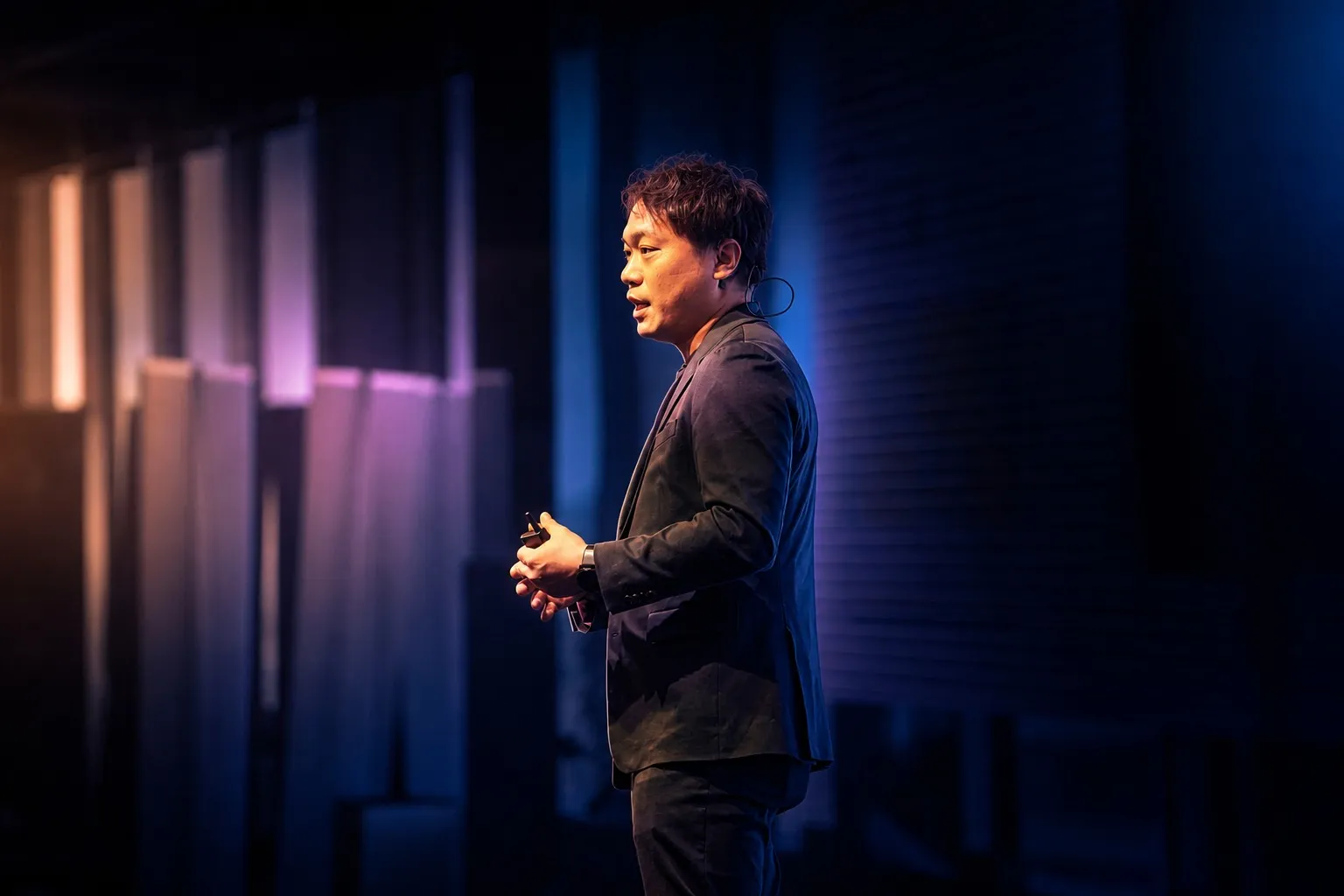
Prof. Motoshi Hayano reveals cutting-edge research in longevity science at Hololife Summit Tokyo
The 400-year-old Greenland shark may hold secrets to human longevity, while the food on your plate could determine whether you live to see 100. These were among the fascinating insights shared by Prof. Motoshi Hayano during his groundbreaking presentation at the Hololife Summit in Tokyo last week.
Speaking to a packed auditorium on the opening day of the three-day summit, Prof. Hayano, a leading figure in aging biology research, outlined how scientific understanding of aging has evolved from basic caloric restriction studies to sophisticated gene-editing technologies that might one day enable humans to reverse their biological clocks.
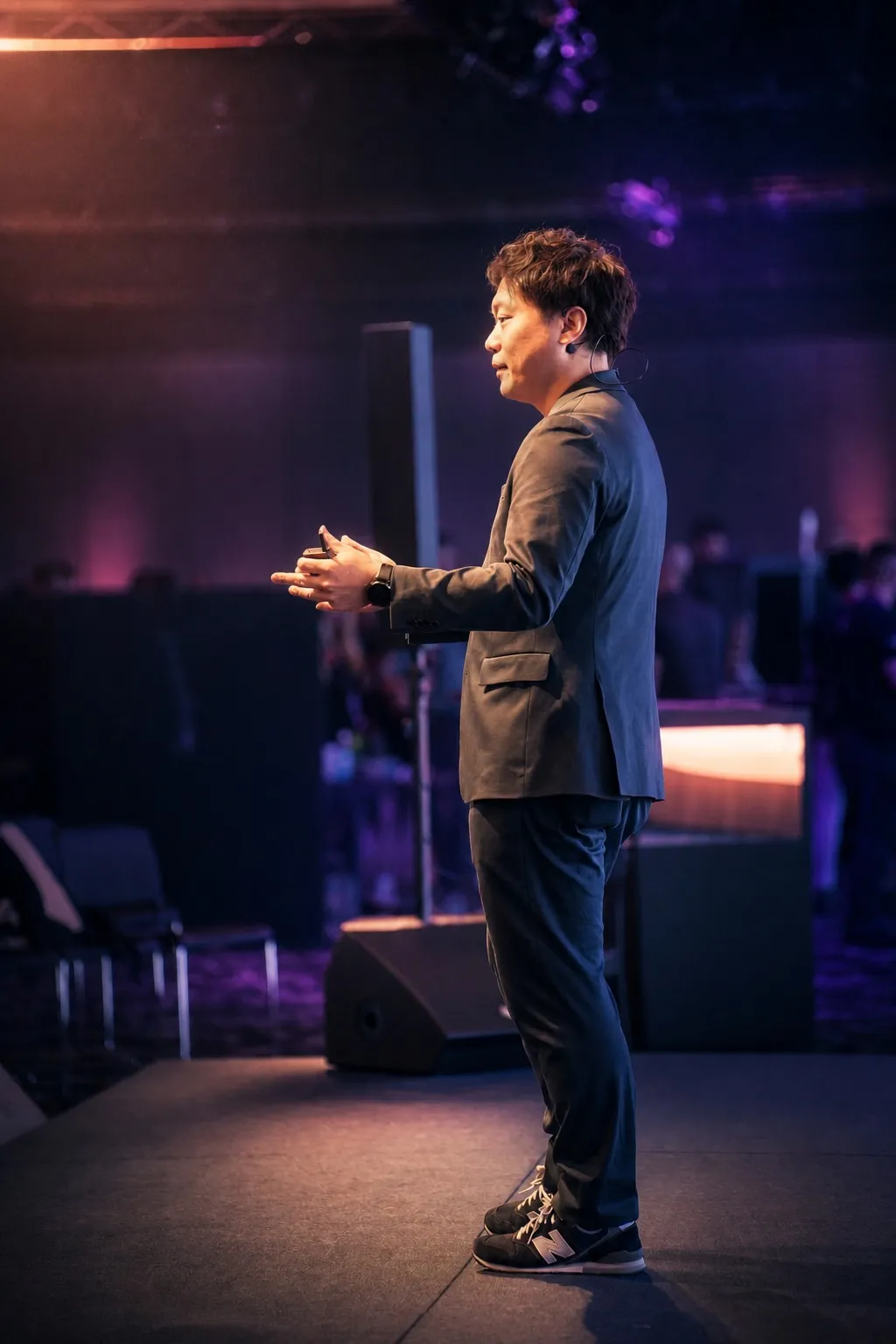
"Only one single gene mutation can drive aging, showing how powerful and complex the biology of aging truly is," Hayano told attendees, referencing conditions like Werner syndrome, which disproportionately affects Japanese patients who develop rapid aging symptoms around age 30.
Learning from long-lived species
The study of diverse species has become central to aging research, with certain animals demonstrating remarkable longevity or negligible aging.
"Some animals don't age like humans; understanding their biology might unlock secrets to longer, healthier human lives," Prof. Hayano explained.
His laboratory is currently investigating the Greenland shark's 400-500 year lifespan, seeking to identify unique genes and proteins that might be applied to human longevity. Similarly, turtles show minimal aging effects, rarely dying from age-related diseases but instead succumbing to infection or physical trauma.
In stark contrast, the giant squid—which can grow to 15 meters—lives only three years, possibly due to the tremendous energy expenditure required for such rapid growth.
Diet, stress and the science of longevity
The presentation highlighted how dietary factors can significantly influence lifespan. Studies have shown that reducing caloric intake by 40% can extend lifespan by approximately 25%, primarily by activating sirtuin genes.
"Caloric restriction mimics can extend lifespan, but the key is to reduce calories without stress—staying happy is essential," Prof. Hayano emphasized, referencing primate studies where lifespan extension only occurred when the animals didn't perceive they were being deprived.
Specific amino acids were also identified as having profound effects on aging. While glycine and leucine may promote longevity, methionine and tryptophan—found in high quantities in certain meats—could potentially reduce lifespan.
The epigenetic clock: how lifestyle writes on our cells
One of the most striking revelations concerned the distinction between "digital" genetic information (DNA sequence) and "analog" epigenetic signals that record environmental influences.
"Even a few weeks of stress in youth can accelerate aging; what we do daily has a long-term impact on our health," Prof. Hayano warned.
This epigenetic memory means that past behaviors and exposures—from weight fluctuations to viral infections—can have lasting health consequences, even when symptoms have long subsided.
From anti-aging to rejuvenation
The paradigm in longevity science has shifted dramatically, according to Prof. Hayano. Researchers have moved beyond merely slowing the aging process to actively reversing it.
"We can reverse aging by rewiring our body's analog signals using factors like the Yamanaka factor—rejuvenating our cells and functions," he explained.
His work with David Sinclair at Harvard from 2013 to 2017 involved partial cellular reprogramming using Yamanaka factors (OSK) to reverse epigenetic aging markers while maintaining cellular identity.
Japan's unique position in longevity research
Prof. Hayano highlighted Japan's advantages in aging research, including its substantial centenarian population and comprehensive healthcare data through its public insurance system. Shizuoka Prefecture, adjacent to Tokyo, boasts Japan's highest life expectancy.
"Japan's universal healthcare provides us with consistent biological samples and health records that create invaluable data for aging research and AI analysis," he noted.
Future technologies and clinical applications
The presentation concluded with insights into cutting-edge technologies being developed in Prof. Hayano's laboratory:
- AI systems analyzing open-source datasets to identify rejuvenation targets
- Violet light therapy (380nm wavelength) showing promise in clinical trials for brain stimulation
- Gene editing technologies aimed at modifying both genetic and epigenetic information to extend healthy lifespan
- Cross-species studies investigating longevity mechanisms in organisms from penguins to sharks
As the Hololife Summit continued through the weekend, Prof. Hayano's presentation set the tone for discussions on how emerging biotechnologies might transform human health and longevity in the coming decades.
"The biology of aging is being reshaped by AI, investment, and industry collaboration," he concluded. "By understanding how different species age, we may find ways to apply their secrets to human health and longevity."
Frequently asked questions
What can the Greenland shark teach us about aging?
Prof. Motoshi Hayano's laboratory is studying the Greenland shark's 400 to 500 year lifespan to identify the genes and proteins behind it. His argument is that some animals do not age the way humans do, and that understanding their biology might unlock longer, healthier human lives.
How much does caloric restriction extend lifespan?
Hayano cited studies in which reducing caloric intake by 40% extended lifespan by approximately 25%, primarily by activating sirtuin genes. He added a caveat drawn from primate work: the calories have to come down without adding stress, because staying happy is part of the effect.
What does rejuvenation mean in aging research?
It means reversing damage rather than only slowing it. Hayano described rewiring the body's analog epigenetic signals using factors such as the Yamanaka factor to restore cell function, work he pursued with David Sinclair at Harvard between 2013 and 2017 on partial cellular reprogramming.
About the event
This recap is part of the HOLOLIFE Summit 2025 Tokyo series, recorded in Tokyo on 10 and 11 October 2025. Read the summary of the whole event or join the next edition, HOLOLIFE Summit 2026 Amsterdam, on 14 and 15 November 2026.